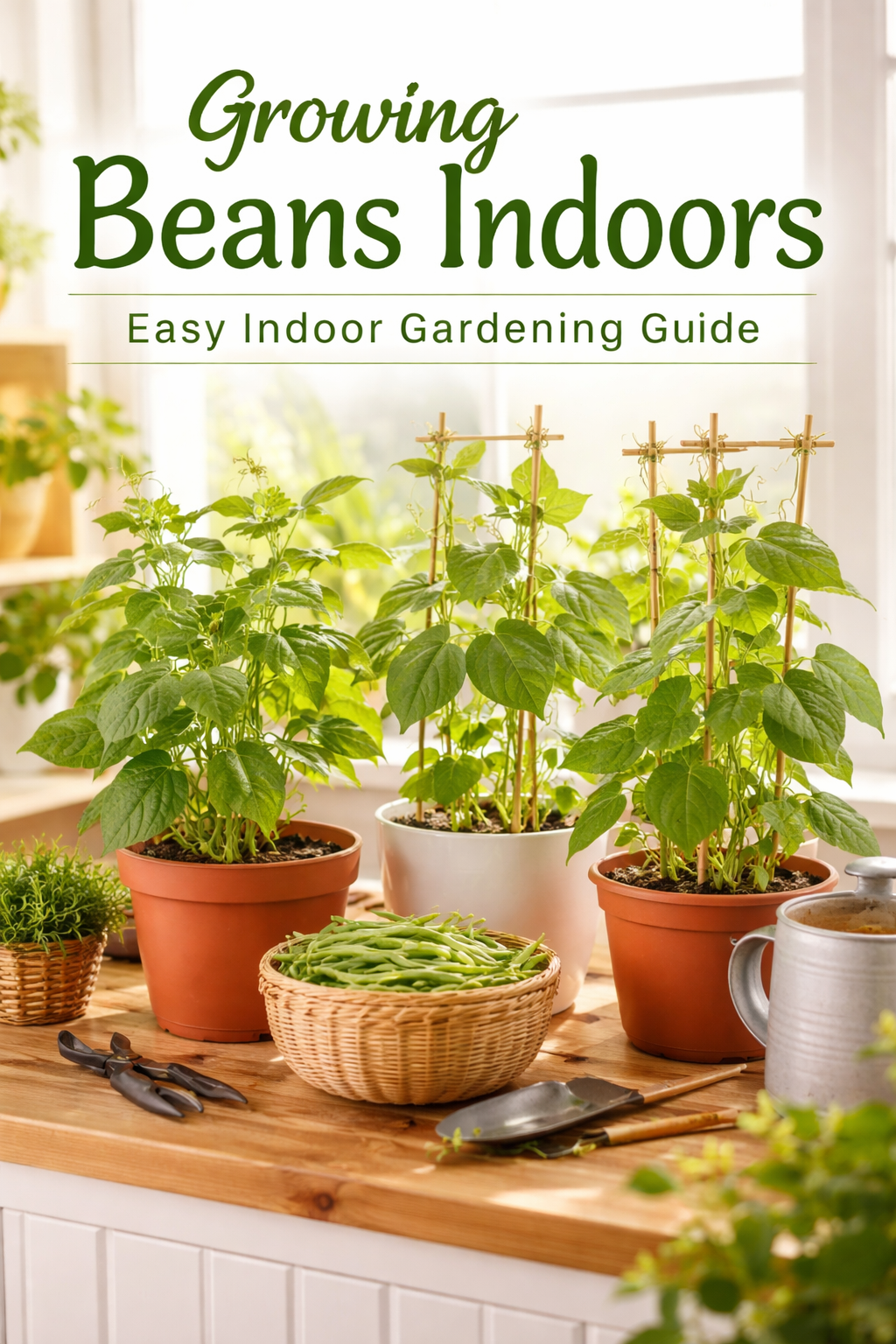
Growing beans indoors is a rewarding and beginner-friendly way to enjoy fresh greenery and even harvest edible pods right from your living space. Beans are fast-growing, adaptable, and don’t require complicated care, which makes them perfect for indoor gardeners. Whether you live in an apartment or simply want to add a productive plant to your home, indoor bean plants can thrive with the right setup and attention.
This guide will walk you through everything you need to know to grow healthy bean plants indoors without hassle.
Why Grow Beans Indoors
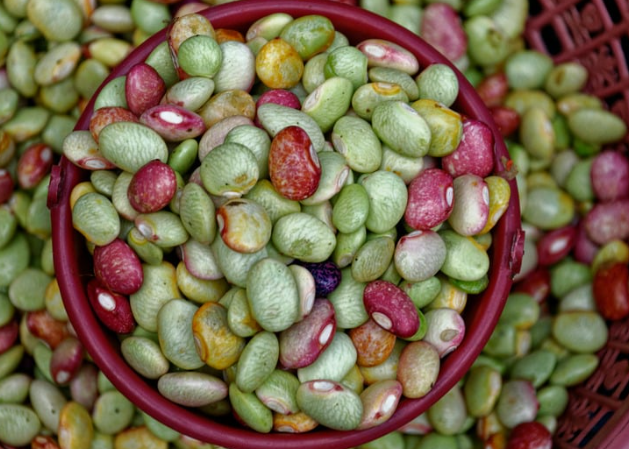
Beans are one of the easiest edible plants to grow indoors, and they come with several benefits. They grow quickly, often sprouting within a week, and can start producing within a couple of months. Indoor bean plants also improve air quality slightly and add a vibrant green touch to your home. For people who enjoy gardening but lack outdoor space, beans are an excellent option because they don’t require large containers or complex maintenance routines. Additionally, growing beans indoors allows you to control the environment, reducing the risk of pests and harsh weather damage.
Best Types of Beans for Indoor Growing
Not all beans are ideal for indoor conditions, so choosing the right variety is important. Bush beans are the best choice for indoor gardening because they grow compactly and do not need support. They are perfect for small pots and limited spaces. Pole beans, on the other hand, grow vertically and require a trellis or support system, which can still work indoors if you have enough space and light. Popular indoor-friendly varieties include green beans, dwarf French beans, and string beans, all of which adapt well to container growing and indoor environments.
How to Plant Beans Indoors
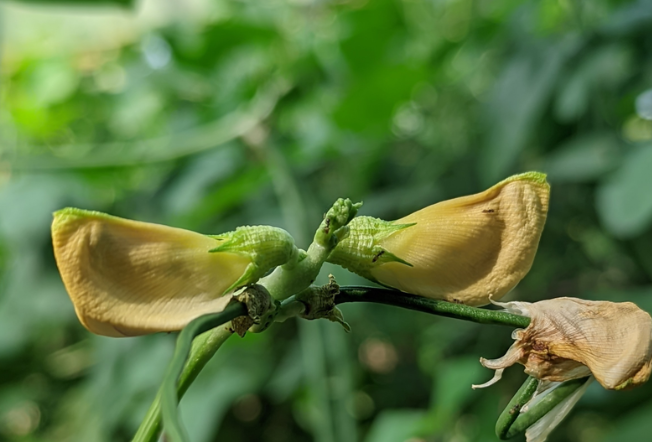
Planting beans indoors is simple and straightforward. Start with a medium-sized pot that has good drainage holes to prevent waterlogging. Use a high-quality potting mix that is light and well-draining. Plant the bean seeds about one inch deep into the soil and water gently after planting. Place the pot in a warm area where the temperature stays between 18 to 25 degrees Celsius. Beans germinate quickly, and you should see sprouts within 5 to 7 days. Make sure the soil remains slightly moist but not soggy during the germination period.
Light Requirements for Indoor Bean Plants
Light is one of the most important factors for growing beans indoors successfully. Bean plants need at least 6 to 8 hours of bright sunlight daily. A south-facing window is ideal for providing enough natural light. If natural sunlight is limited, you can use grow lights to supplement the light requirement. Without sufficient light, bean plants may become weak, leggy, and produce fewer pods. Rotating the plant occasionally also helps ensure even growth on all sides.
Watering and Soil Care
Proper watering is essential for healthy bean plants. Beans prefer consistently moist soil but do not tolerate overwatering. Water the plant when the top layer of soil feels dry to the touch. Ensure that excess water drains out of the pot to prevent root rot. Using well-draining soil with organic matter helps maintain the right balance of moisture and nutrients. Avoid letting the soil dry out completely, as this can stress the plant and affect its growth.
Temperature and Humidity Needs
Beans grow best in warm conditions, making them suitable for indoor environments. Maintain a temperature between 18 and 25 degrees Celsius for optimal growth. Avoid placing the plant near cold drafts, air conditioners, or heaters, as sudden temperature changes can harm the plant. Moderate humidity is sufficient for beans, but if your indoor air is very dry, occasional misting can help keep the plant healthy.
Fertilizing Indoor Bean Plants
Beans are relatively low-maintenance when it comes to fertilizing because they can fix their own nitrogen from the air. However, using a balanced liquid fertilizer every two to three weeks can boost growth and improve yield. Avoid over-fertilizing, especially with nitrogen-heavy fertilizers, as this can lead to more leaf growth and fewer beans. Organic compost or mild fertilizers work best for indoor plants.
Support and Pruning
If you are growing pole beans indoors, providing support is essential. Use a small trellis, stakes, or strings to help the plant climb. Bush beans usually do not require support but may benefit from light pruning to remove dead or yellowing leaves. Pruning also improves air circulation and keeps the plant healthy.
Common Problems and Solutions
Indoor bean plants can sometimes face issues such as yellowing leaves, slow growth, or lack of flowering. Yellow leaves are often caused by overwatering or poor drainage, while slow growth may result from insufficient light. If your plant is not producing beans, it could be due to lack of pollination or inadequate sunlight. Gently shaking the plant can help with indoor pollination. Keeping a close eye on your plant and adjusting care routines will help resolve most problems quickly.
Harvesting Indoor Beans
Beans are ready to harvest when the pods are firm, crisp, and have reached their full size but are still tender. Regular harvesting encourages the plant to produce more beans. Use scissors or gently snap the pods off to avoid damaging the plant. Freshly harvested indoor beans are delicious and can be used in a variety of dishes.
Final Thoughts
Growing bean plants indoors is a simple and enjoyable way to bring greenery and fresh produce into your home. With the right care, including proper light, watering, and temperature, you can successfully grow healthy and productive bean plants year-round. Whether you are a beginner or an experienced gardener, indoor beans are a great addition to your plant collection.
Frequently Asked Questions (FAQ)
1. Can beans really grow indoors successfully?
Yes, beans can grow very well indoors if they receive enough sunlight or artificial light. With proper care, they can produce healthy leaves and even edible pods.
2. How long does it take for indoor beans to grow?
Beans usually germinate within 5 to 7 days and can start producing pods within 50 to 70 days, depending on the variety and growing conditions.
3. Do indoor bean plants need direct sunlight?
Yes, beans need at least 6 to 8 hours of bright light daily. A sunny window or grow light is essential for proper growth and productivity.
4. How often should I water indoor bean plants?
Water the plant when the top layer of soil feels dry. Keep the soil moist but avoid overwatering, as this can lead to root rot.
5. What is the best type of bean for indoor growing?
Bush beans are the best choice because they are compact and do not require support, making them ideal for indoor spaces.
6. Do indoor beans need pollination?
Yes, but since there are no insects indoors, you can gently shake the plant or use a soft brush to help with pollination.
7. Why are my bean plant leaves turning yellow?
Yellow leaves are usually caused by overwatering, poor drainage, or lack of nutrients. Adjust watering and check soil conditions to fix the issue.
8. Can I grow beans indoors year-round?
Yes, as long as you maintain proper light, temperature, and care, beans can be grown indoors throughout the year.