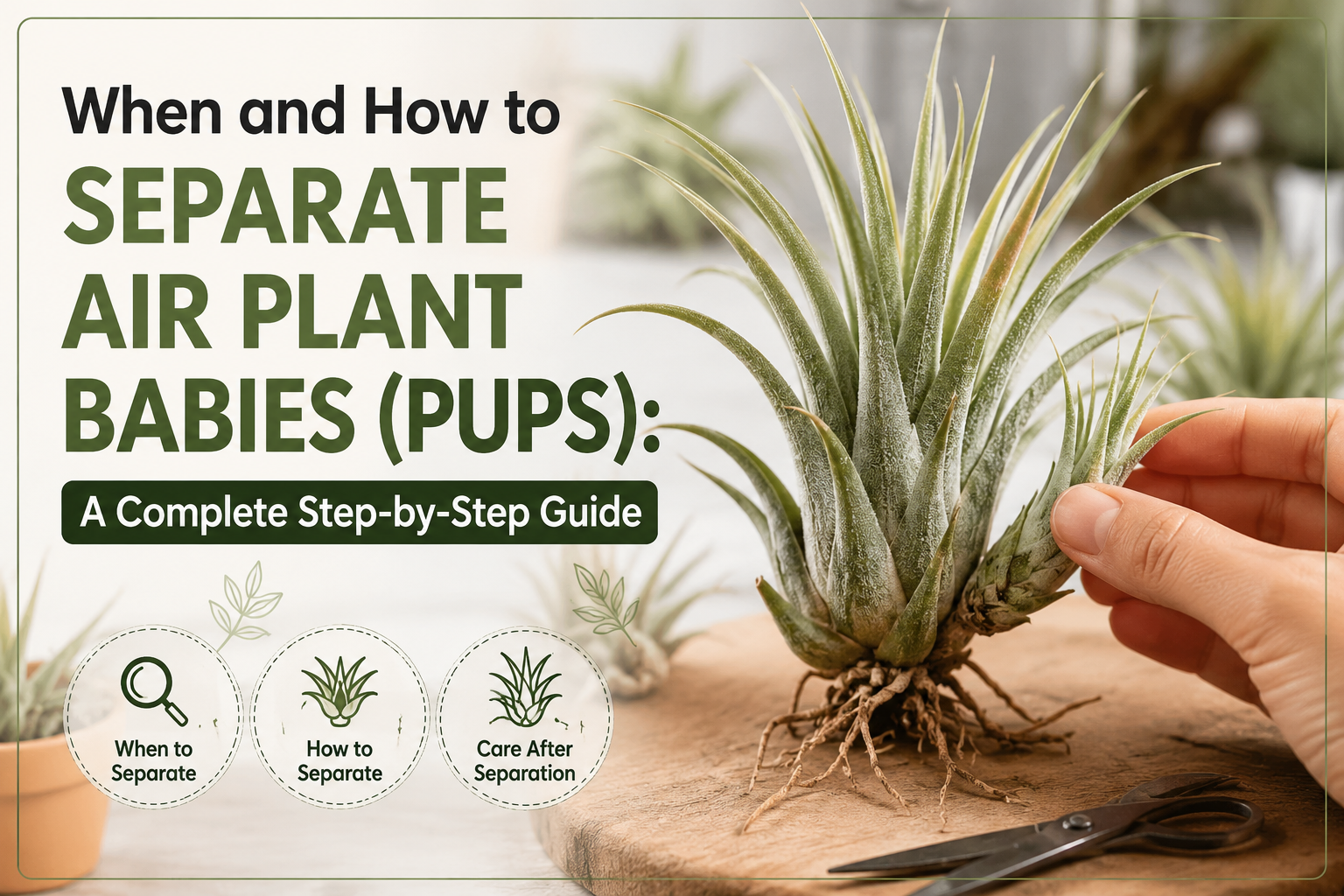
One of the most rewarding moments for any air plant enthusiast is discovering tiny new plants growing from the base of a mature Tillandsia. These baby plants, commonly called pups, are nature’s way of reproducing air plants. Knowing when and how to separate them correctly can help you grow your collection, share plants with friends, or create fuller displays.
Many beginners worry about damaging their air plants during propagation. Fortunately, separating air plant babies is simple when done at the right time. In this guide, you’ll learn how pups develop, the best time to separate them, and the safest methods to ensure both the mother plant and the babies continue to thrive.
What Are Air Plant Babies (Pups)?
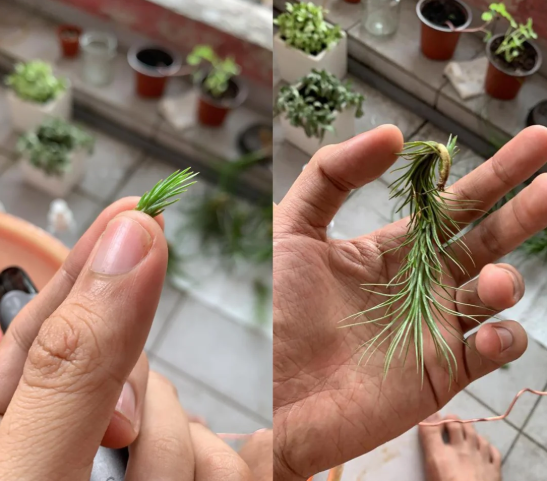
Air plant babies, also known as offsets or pups, are small clones that grow from the base of the mother plant after it flowers. Unlike seeds, pups are genetically identical to the parent plant.
Most Tillandsia species bloom only once during their lifetime. After flowering, the mother plant gradually shifts its energy toward producing pups. Although the mother plant will eventually decline, it often remains healthy long enough to nurture several baby plants.
Depending on the species, a healthy air plant may produce anywhere from 2 to 8 pups.
When Do Air Plants Produce Pups?
Most air plants begin producing pups shortly after blooming. Depending on the variety and growing conditions, this can happen within a few weeks to several months after the flower fades.
Factors that encourage pup production include:
- Bright, indirect light
- Proper weekly watering
- Good air circulation
- Moderate humidity
- Monthly fertilization during the growing season
Healthy plants generally produce larger and stronger pups.
When Should You Separate Air Plant Babies?
Patience is important. Separating pups too early can stunt their growth or even cause them to die.
The Ideal Time
Wait until each pup is at least one-third to one-half the size of the mother plant. At this stage, it has developed enough strength to survive independently.
Signs Your Pup Is Ready
- Firm, healthy leaves
- Strong attachment point
- Visible root growth (optional)
- At least one-third the size of the parent
- Bright green or silvery color
If the pup is still tiny and soft, leave it attached for a few more weeks.
Should You Leave Air Plant Pups Attached?
Absolutely! Many plant lovers choose not to separate pups at all.
Leaving them attached creates beautiful natural clusters known as air plant clumps, which often look more dramatic than individual plants.
Benefits of Keeping Them Together
- Fuller appearance
- Easier maintenance
- More natural growth
- Less transplant stress
- Larger decorative displays
There’s no right or wrong choice—it depends on your personal preference.
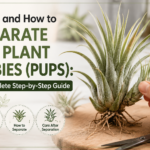
How to Separate Air Plant Babies: Step-by-Step
Step 1: Water the Plant First
Soak the air plant for about 20 minutes a day before separating the pups. Hydrated leaves are more flexible and less likely to snap.
Allow the plant to dry completely before handling it.
Step 2: Hold the Mother Plant Gently
Grip the base of the mother plant carefully with one hand.
Avoid squeezing the leaves.
Step 3: Locate the Connection Point
Look closely where the pup connects to the parent.
Most pups attach at the plant’s base.
Step 4: Twist Gently
Using your fingers, gently twist the pup while pulling it away from the mother plant.
Most pups separate easily without tools.
Avoid pulling hard.
Step 5: Use a Sterilized Knife if Necessary
If the connection is too thick, use a clean, sterilized knife or scissors.
Cut carefully without damaging either plant.
Step 6: Let the Plants Rest
After separation:
- Keep both plants dry for several hours.
- Resume normal watering the next day.
- Place them in bright, indirect light.
This allows small wounds to heal naturally.
Caring for Newly Separated Air Plants
Young pups need the same basic care as mature air plants but may dry out more quickly.
Watering
Soak once every 5–7 days.
Mist lightly between soakings if your home is dry.
Light
Provide bright, indirect sunlight.
Avoid intense afternoon sun until the plant becomes well established.
Airflow
Good ventilation helps prevent rot and fungal growth.
Never leave young pups in enclosed containers.
Fertilizer
Feed monthly using a bromeliad or air plant fertilizer diluted according to the manufacturer’s instructions.
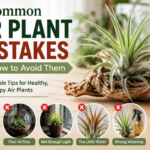
Common Mistakes to Avoid
Separating Too Early
Small pups depend on the mother plant for nutrients.
Wait until they’re at least one-third the size of the parent.
Pulling Too Hard
Forcing pups apart may tear the leaves or damage the base.
Always twist gently first.
Using Dirty Tools
If cutting is necessary, sterilize tools with rubbing alcohol before use.
Overwatering Immediately
Allow freshly separated plants time to recover before soaking again.
Keeping Them in Poor Airflow
Air plants need constant air circulation.
Avoid closed terrariums after propagation.
Can You Grow Air Plants From Seeds?
Yes, but it requires patience.
Growing air plants from seed may take several years before reaching maturity. For most home gardeners, propagating through pups is much easier, faster, and more reliable.
Frequently Asked Questions
How many pups does an air plant produce?
Most healthy air plants produce between 2 and 8 pups, although some species can produce more.
Can I separate pups before the mother plant dies?
Yes. The mother plant remains alive for months after flowering and can safely be separated once the pups are large enough.
Do I need roots before separating a pup?
No. Many pups have few or no visible roots when they’re ready to separate. Roots are not required for successful growth.
Can I leave all the pups attached?
Yes. Many gardeners prefer leaving pups attached to create attractive air plant clumps.
How long does it take for pups to grow?
Growth varies by species and environment, but most pups take 6–12 months to become large enough for separation.
Final Thoughts
Separating air plant babies is an exciting milestone that allows you to expand your Tillandsia collection naturally. The key is patience—waiting until pups are at least one-third to one-half the size of the mother plant gives them the best chance of thriving on their own.
Whether you choose to separate the pups or let them grow into beautiful clusters, providing bright indirect light, proper watering, and excellent airflow will keep both the mother plant and its offspring healthy for years to come.
With the right care, one air plant can eventually become an entire family of thriving Tillandsias.