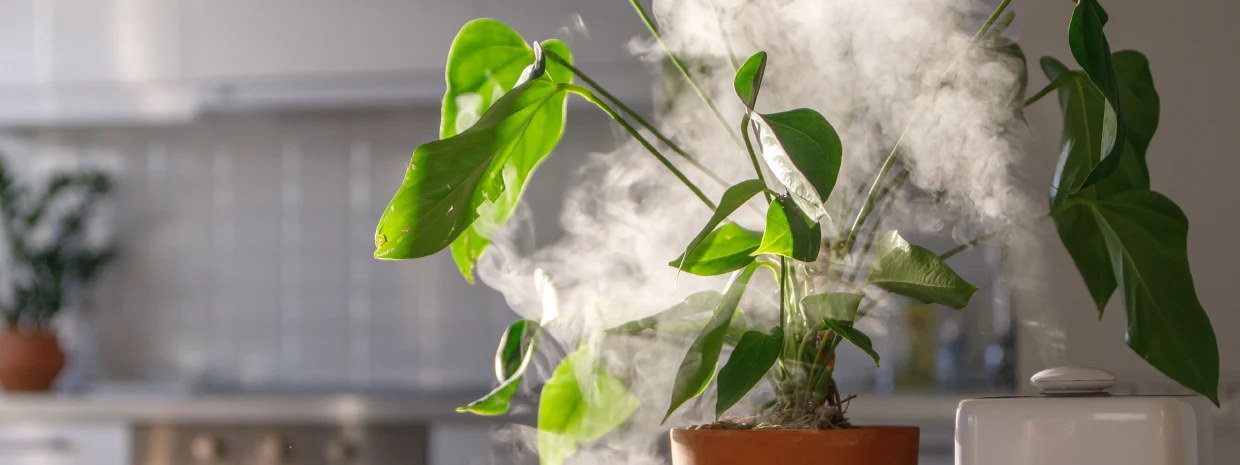
Humidity plays a crucial role in maintaining the health and vitality of indoor plants. While it’s often associated with weather conditions outdoors, humidity levels indoors can have a significant impact on the well-being of your plants. In this blog, we’ll explore how humidity affects plant leaves indoors and share tips to manage it for healthy growth.
What is Humidity and Why Does It Matter for Plants?
Humidity refers to the amount of moisture in the air. For plants, this moisture is essential for several reasons:
- Photosynthesis: Plants rely on moisture to perform photosynthesis, the process through which they convert sunlight into energy.
- Water Absorption: Humidity affects the plant’s ability to absorb water from the soil, as higher humidity levels can slow down water evaporation from the leaves.
- Cellular Functions: Proper humidity is necessary for the movement of nutrients through the plant’s cells.
How Humidity Affects Plant Leaves
- Low Humidity and Dry, Crispy Leaves
In dry environments with low humidity (common in heated indoor spaces), plants can lose moisture too quickly. As a result, their leaves may become dry, crispy, and develop brown tips. This is especially true for tropical plants that thrive in high-humidity environments. Some common signs of low humidity include:- Brown or crispy leaf edges
- Yellowing leaves
- Stunted growth
- High Humidity and Mold Growth
On the flip side, excessive humidity can create a damp environment that encourages mold and mildew to thrive. While plants like ferns and peace lilies enjoy higher humidity, too much moisture can result in fungal infections and leaf rot. You may notice:- Leaf spots or mold growth on the soil surface
- Wilted or droopy leaves due to waterlogged roots
- Ideal Humidity Range for Plants
Most houseplants thrive at humidity levels between 40% and 60%. However, some tropical plants may require higher levels. For instance, orchids, ferns, and calatheas enjoy humidity levels around 60% or higher. Understanding the needs of your specific plants is essential for adjusting humidity levels accordingly.
How to Manage Humidity for Indoor Plants
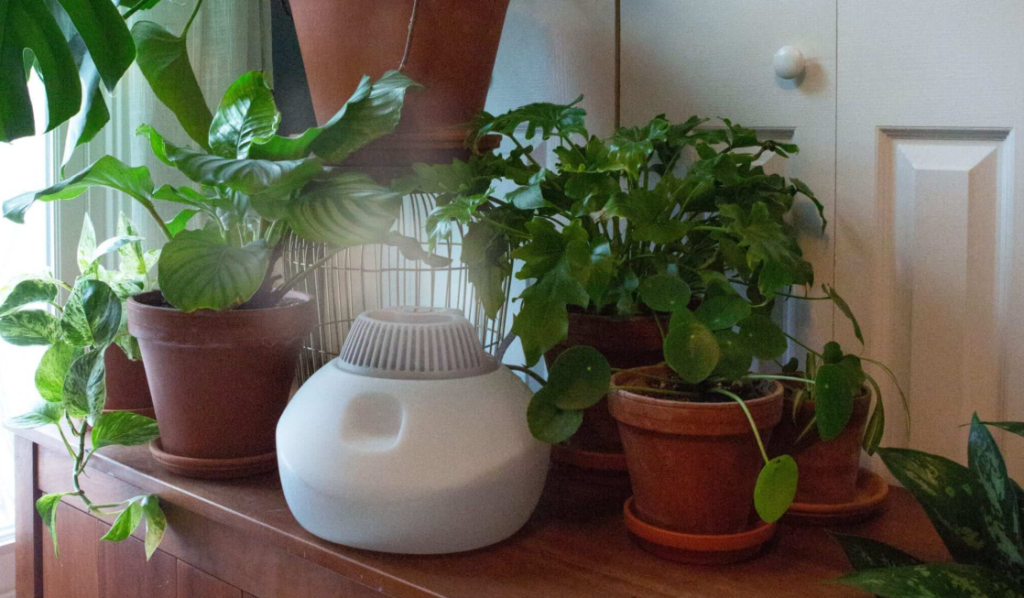
- Use a Humidifier
A humidifier is one of the most effective ways to regulate indoor humidity. It adds moisture to the air, creating a more favorable environment for your plants. Place the humidifier near your plants, but not directly on them, to maintain an optimal humidity level. - Group Plants Together
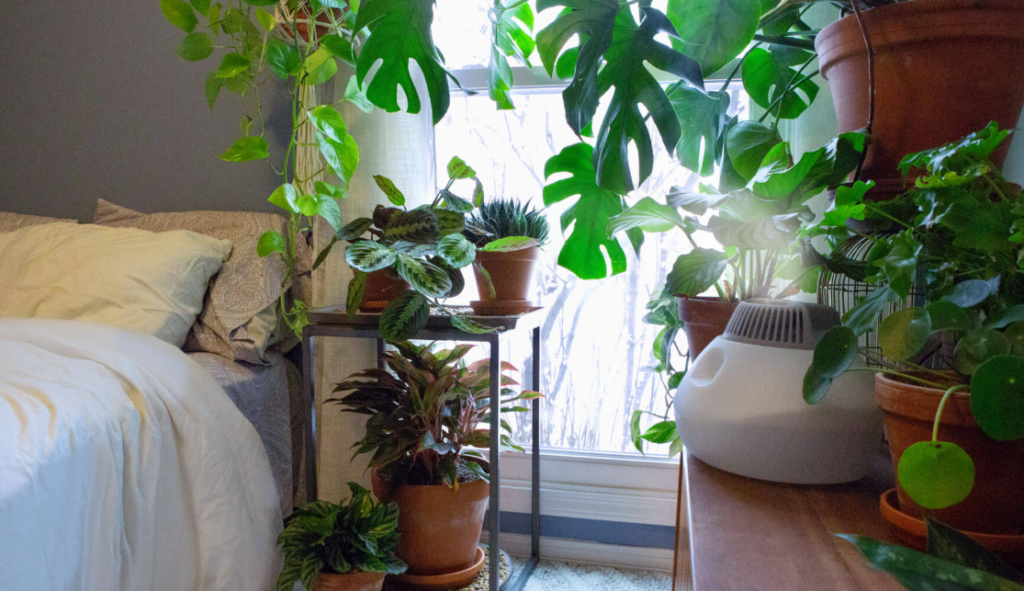
Grouping plants together creates a microenvironment where they can share moisture. As plants release water through transpiration, the humidity around them increases. This is particularly helpful for tropical plants that need more moisture. - Mist the Leaves
Lightly misting the leaves with water can temporarily raise the humidity around the plant. However, be careful not to overdo it, as excessive moisture can encourage mold. Avoid misting during the nighttime, as it may result in water sitting on the leaves for too long, leading to rot. - Pebble Tray
Another simple method is to place a tray of pebbles and water near your plants. As the water evaporates, it increases the humidity around the plants. Just make sure the plant’s pot doesn’t sit directly in the water to avoid root rot. - Monitor and Adjust
Use a hygrometer to measure the humidity levels in your space. This tool will help you understand whether your plants are in the right environment and allow you to adjust humidity accordingly.
Humidity Tips for Specific Plants
- Tropical Plants (e.g., ferns, peace lilies, and monstera): These plants need high humidity to thrive. Consider using a humidifier or placing them in bathrooms with steamy showers for added moisture.
- Succulents and Cacti: These plants prefer dry air and low humidity. Keep them away from humidifiers and misting sessions to avoid moisture-related issues.
- Orchids: Orchids enjoy moderate to high humidity, so place them in areas where humidity is consistently above 50%. A bathroom with indirect light is perfect for them.
Signs Your Plant Needs More Humidity
If you’re noticing any of these signs, your plant may need more humidity:
- Yellowing or browning leaf tips
- Wilted or drooping leaves
- Leaf curling or crisping at the edges
- Stunted growth
Is it safe to mist my plants to increase humidity?
Misting your plants can help increase humidity temporarily, but it’s important to do so carefully. Light misting is generally safe, especially for tropical plants that thrive in humid environments. However, avoid excessive misting, as it can create moisture buildup on the leaves, leading to fungal growth or mold. Also, misting during the evening or night is not recommended, as the water may sit on the leaves for too long, causing rot. For more effective and consistent humidity, consider using a humidifier or a pebble tray instead of relying solely on misting.
Conclusion
Humidity is an essential factor in ensuring that your indoor plants thrive. By understanding how it affects plant leaves, you can take proactive steps to maintain the right moisture levels for your plants. Whether you use a humidifier, mist your plants, or simply adjust their placement, maintaining the right humidity balance will result in healthier, happier plants.
FAQ
- How does humidity affect indoor plants?
Humidity impacts how plants absorb moisture and perform photosynthesis. Low humidity can cause plants to dry out, while excessive humidity can lead to mold and fungal growth. The right balance is key to healthy plant growth. - What are the signs of low humidity in plants?
If the humidity is too low, plants may exhibit dry, crispy leaf edges, yellowing leaves, and stunted growth. Tropical plants, in particular, are more sensitive to low humidity levels. - How can I increase humidity for my indoor plants?
You can increase humidity by using a humidifier, grouping plants together, misting the leaves, or placing a pebble tray near the plants. These methods help create a more humid microclimate for your plants. - What is the ideal humidity for indoor plants?
Most indoor plants thrive in humidity levels between 40% and 60%. However, tropical plants may require higher humidity, around 60% or more, to flourish. - Can I use a humidifier to help my plants?
Yes, a humidifier is one of the most effective ways to regulate humidity. Place it near your plants to maintain the right moisture levels and help your plants stay healthy. - What plants need higher humidity?
Tropical plants such as ferns, orchids, and peace lilies thrive in higher humidity (60% or more). These plants will benefit from added moisture in the air to keep their leaves healthy. - What plants prefer low humidity?
Succulents, cacti, and other desert plants prefer dry air and low humidity. These plants should be kept away from humidifiers or misting to prevent issues like rot.