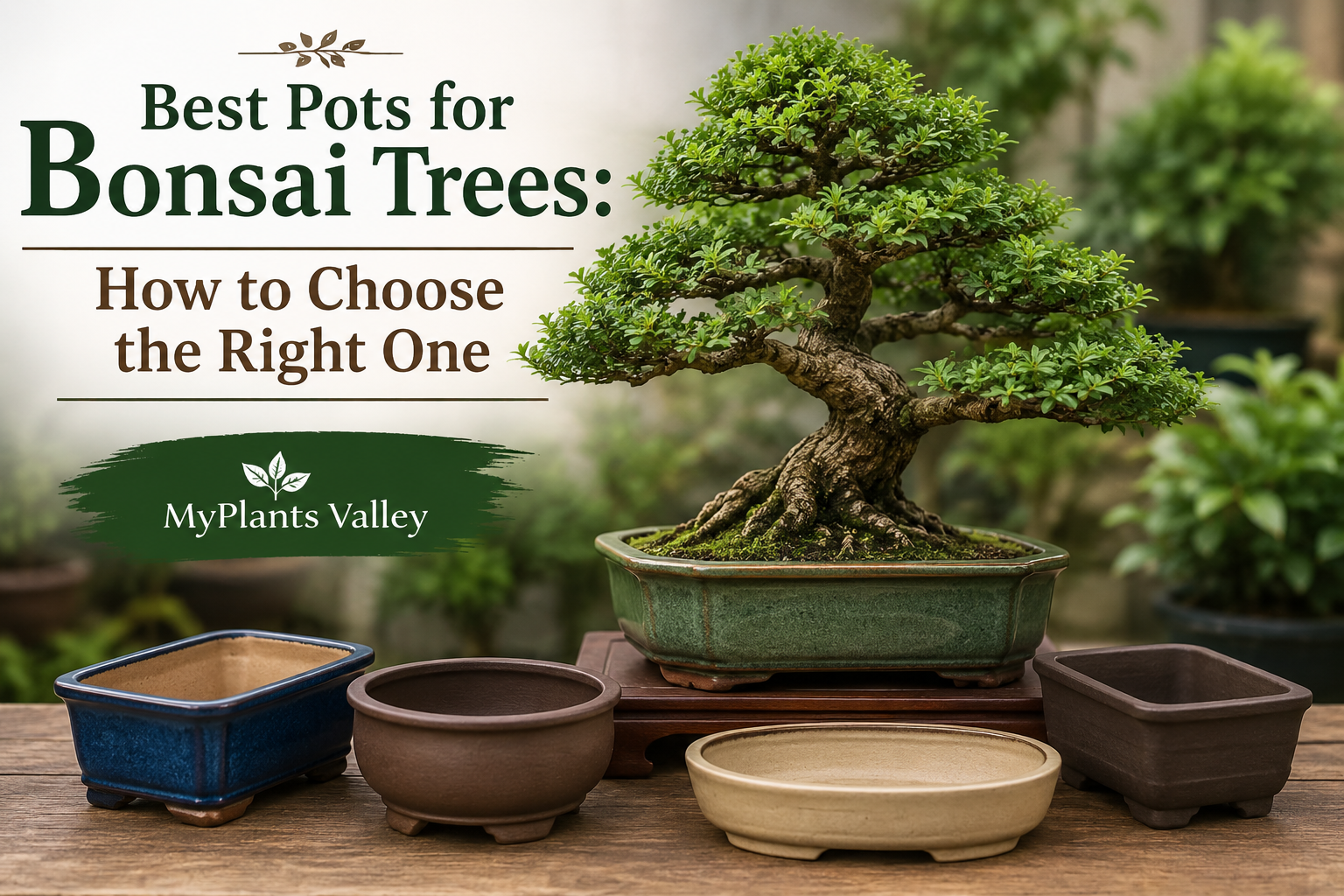
Bonsai trees are more than just plants—they are living works of art. While most beginners focus on pruning and shaping, choosing the right bonsai pot is equally important. The perfect pot improves drainage, supports healthy roots, and enhances the beauty of your bonsai. A poorly chosen pot can lead to weak growth, root rot, and an unbalanced appearance.
In this guide by MyPlants Valley, I’ll explain how to choose the best pots for bonsai, the different pot types, and the key features every bonsai owner should know.
Why Bonsai Pots Matter
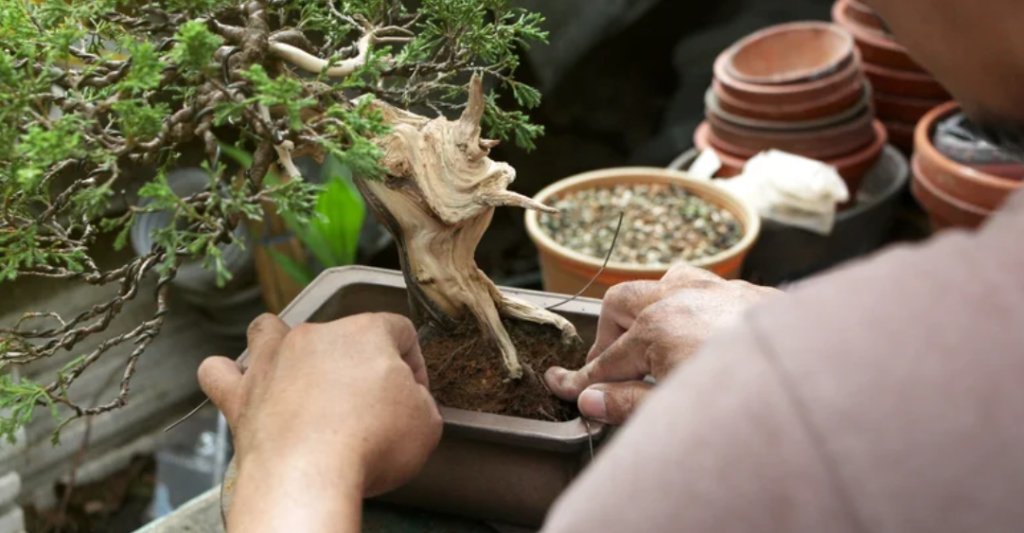
A bonsai pot is not simply decorative. It directly affects the health and development of the tree. Bonsai pots are specially designed to:
- Control root growth
- Improve drainage
- Maintain proper moisture levels
- Support tree stability
- Enhance the bonsai’s appearance
Experts emphasize that proper drainage holes are one of the most important features of a bonsai pot because poor drainage often causes root rot and weak growth.
Types of Bonsai Pots
1. Ceramic Bonsai Pots
Ceramic pots are the most popular choice for bonsai enthusiasts. They are durable, stylish, and available in many colors and shapes.
Best For:
- Indoor bonsai trees
- Display bonsai
- Mature bonsai plants
Advantages:
- Attractive appearance
- Excellent durability
- Helps maintain moisture balance
Disadvantages:
- Can break if dropped
- Usually more expensive
2. Plastic Bonsai Pots
Plastic pots are lightweight and affordable. Many beginners start with plastic containers during early bonsai training.
Best For:
- Beginners
- Training young bonsai
- Temporary growing stages
Advantages:
- Budget-friendly
- Lightweight
- Easy to move
Disadvantages:
- Less attractive
- Retains heat more easily
3. Unglazed Bonsai Pots
Unglazed pots are traditional and commonly used for pine and juniper bonsai trees.
Best For:
- Conifer bonsai
- Outdoor bonsai
Advantages:
- Natural appearance
- Better root aeration
- Traditional bonsai look
According to bonsai experts, conifers are often paired with unglazed earth-tone pots for a balanced appearance.
4. Glazed Bonsai Pots
Glazed pots add color and elegance. They are commonly used for flowering and tropical bonsai species.
Best For:
- Flowering bonsai
- Tropical bonsai
- Decorative indoor displays
Advantages:
- Beautiful finishes
- Many color options
- Easy to clean
How to Choose the Right Bonsai Pot
Consider the Tree Size
The pot should match the tree proportionally. A pot that is too large makes the bonsai look small, while a tiny pot can restrict healthy root growth.
Traditional bonsai guidelines suggest:
- Pot depth should roughly equal the trunk diameter
- Pot length should be about two-thirds the tree height
Choose the Correct Shape
Different bonsai styles work best with different pot shapes.
| Bonsai Style | Recommended Pot Shape |
| Formal Upright | Rectangular |
| Cascade | Tall Round Pot |
| Flowering Bonsai | Oval or Round |
| Pine Bonsai | Unglazed Rectangle |
Check Drainage Holes
Drainage is critical for bonsai health. Bonsai pots should always have drainage holes to prevent waterlogging and root rot.
Healthy drainage helps:
- Oxygen reach roots
- Excess water escape
- Prevent fungal diseases
Many bonsai growers also use mesh screens over drainage holes to stop soil loss while maintaining airflow.
Match Pot Color with the Tree
The pot should complement—not overpower—the bonsai.
Good Color Pairings:
- Green foliage → Earth-tone pots
- Flowering bonsai → Soft glazed colors
- Pine trees → Brown or gray unglazed pots
The goal is visual harmony between the pot and tree.
Indoor vs Outdoor Bonsai Pots
Indoor Bonsai Pots
Indoor bonsai often use drip trays to protect furniture and slightly increase humidity.
Outdoor Bonsai Pots
Outdoor bonsai require strong weather-resistant pots with excellent drainage.
Common Mistakes to Avoid
Using Pots Without Drainage
This is one of the biggest beginner mistakes and can quickly damage roots.
Choosing Oversized Pots
Large pots hold too much moisture and reduce the miniature bonsai appearance.
Ignoring Pot Material
Different materials affect temperature, moisture retention, and aesthetics.
Prioritizing Looks Over Function
A beautiful pot is useless if it harms root health.
Best Pot Materials for Popular Bonsai Trees
| Bonsai Tree | Recommended Pot |
| Juniper Bonsai | Unglazed Ceramic |
| Ficus Bonsai | Glazed Ceramic |
| Pine Bonsai | Earth-tone Unglazed |
| Flowering Bonsai | Colored Glazed Pot |
| Maple Bonsai | Oval Ceramic Pot |
Final Thoughts
Choosing the best bonsai pot is essential for both tree health and visual appeal. The ideal bonsai pot provides excellent drainage, proper sizing, and balanced aesthetics. Whether you prefer a traditional unglazed ceramic container or a colorful glazed pot, always focus on function first and beauty second.
At MyPlants Valley, I recommend selecting a pot that complements your bonsai’s style while ensuring healthy root growth and proper water drainage. A well-matched bonsai pot transforms a simple tree into a stunning living masterpiece.
FAQ
Do bonsai pots need drainage holes?
Yes, drainage holes are essential to prevent root rot and improve airflow to the roots.
What is the best material for bonsai pots?
Ceramic pots are considered the best because they are durable, breathable, and visually attractive.
Can I use regular pots for bonsai?
You can temporarily use regular pots, but bonsai pots are specially designed for shallow root systems and better drainage.
Are glazed or unglazed pots better?
Both are good. Unglazed pots suit conifers, while glazed pots work well for flowering and tropical bonsai trees.
How often should I repot a bonsai?
Most bonsai trees need repotting every 2–5 years depending on species and growth rate.