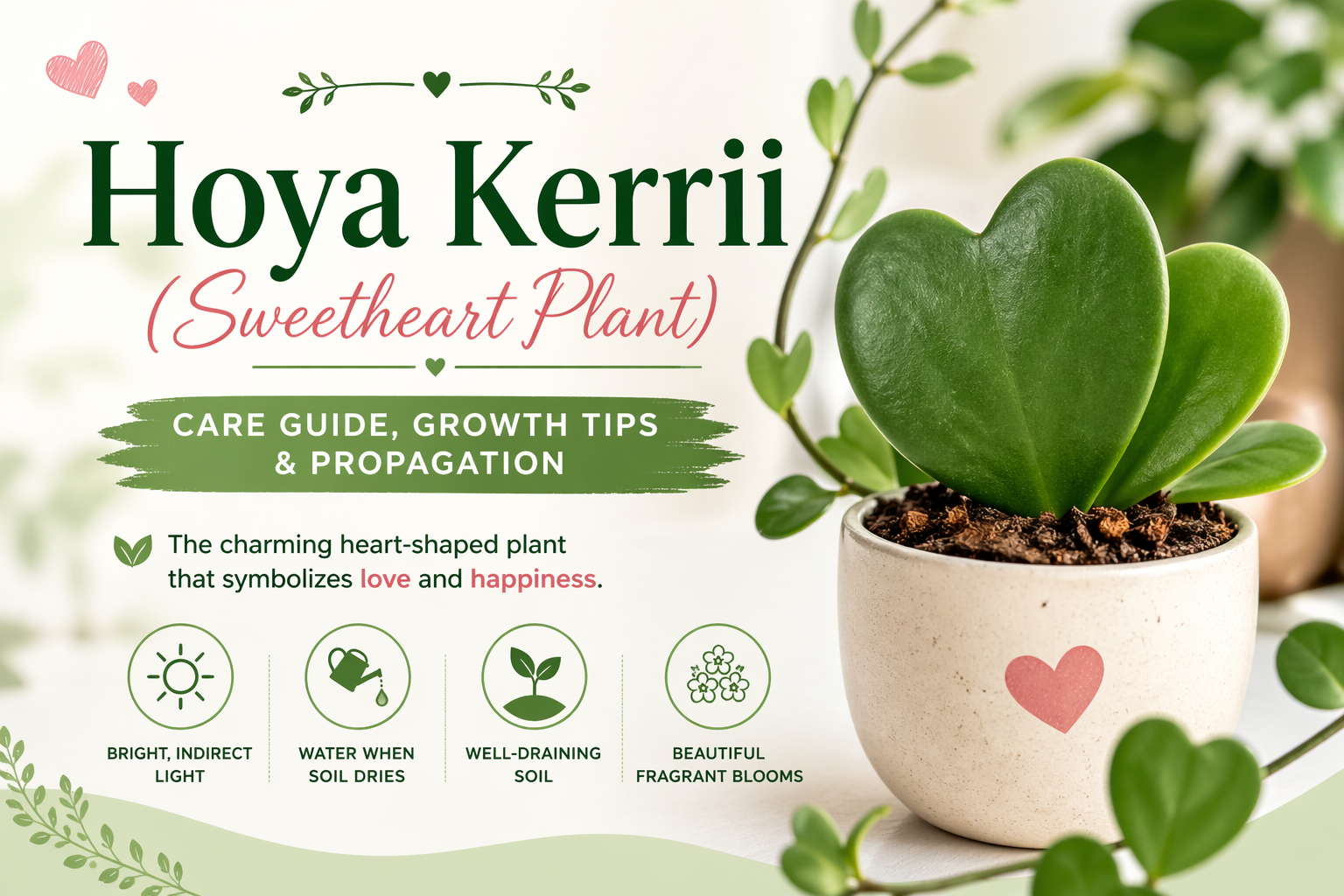
Hoya Kerrii, commonly known as the Sweetheart Plant, is one of the most adorable and unique houseplants you can own. With its thick, waxy, heart-shaped leaves, this plant has become a symbol of love and affection, making it a popular gift for Valentine’s Day, anniversaries, and special occasions. Beyond its cute appearance, Hoya Kerrii is a low-maintenance succulent-like plant that thrives indoors with minimal care.
Whether you’re a beginner plant parent or an experienced collector, this beautiful tropical vine can be a delightful addition to your indoor jungle. In this guide, we’ll explore everything you need to know about growing and caring for the Hoya Kerrii.
What Is Hoya Kerrii?
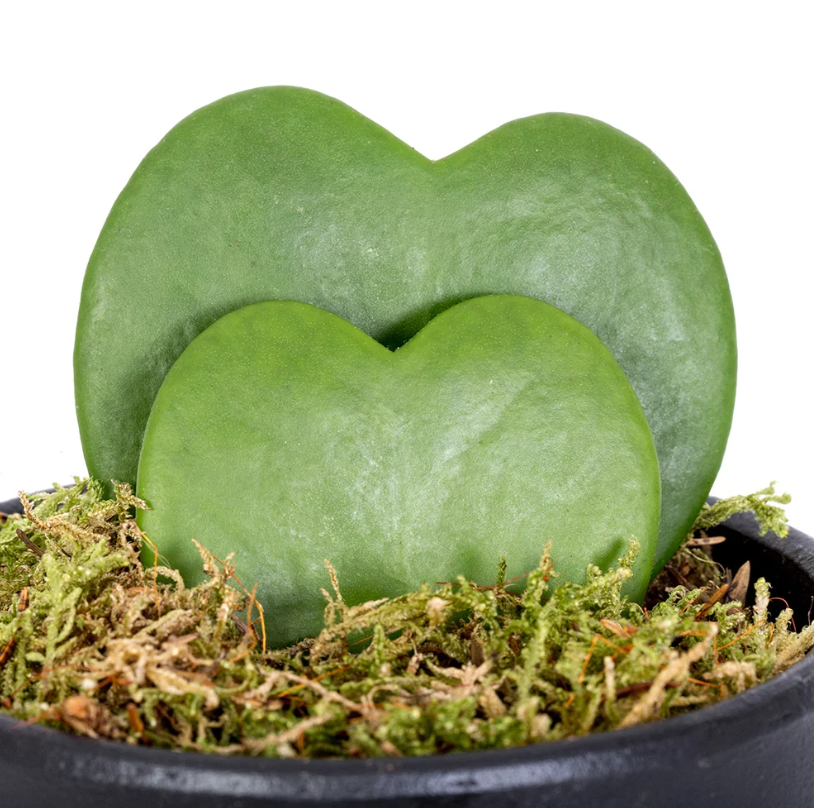
Hoya Kerrii is a tropical epiphytic plant native to Southeast Asia, particularly Thailand, Cambodia, Laos, and Vietnam. It belongs to the Apocynaceae family and is related to other Hoyas, often called “wax plants” because of their glossy leaves and waxy flowers.
The plant is most commonly sold as a single rooted leaf in a small pot, shaped like a perfect green heart. While cute and compact, these single-leaf plants may stay that way for years and may never grow into a full vine unless they contain a piece of stem node.
When mature, Hoya Kerrii develops long trailing vines with clusters of thick heart-shaped leaves and can produce beautiful star-shaped flowers.
Why Is It Called the Sweetheart Plant?
The nickname “Sweetheart Plant” comes from its naturally heart-shaped leaves. These charming leaves make it one of the most popular decorative houseplants for gifting and home décor.
Its symbolism includes:
- Love
- Friendship
- Affection
- Good luck
Because of this, many people keep Hoya Kerrii as a sentimental plant.
Hoya Kerrii Care Guide
Taking care of Hoya Kerrii is relatively easy when you understand its needs.
1. Light Requirements
Hoya Kerrii loves bright, indirect light.
Ideal lighting conditions include:
- Near an east-facing window
- A few feet from a south or west-facing window
- Under grow lights indoors
Avoid harsh direct afternoon sun, which can scorch the leaves. However, a little morning sunlight is beneficial.
Low light can slow growth significantly and prevent blooming.
2. Watering Needs
Since Hoya Kerrii has thick succulent-like leaves, it stores water and prefers drying out between waterings.
A good watering routine:
- Water when the top 2–3 inches of soil feels dry
- Reduce watering in winter
- Avoid soggy soil
Overwatering is one of the most common causes of root rot.
Signs of overwatering:
- Yellow leaves
- Mushy stems
- Root rot smell
Signs of underwatering:
- Wrinkled leaves
- Dry soil pulling away from the pot
3. Soil Requirements
Use a well-draining soil mix.
A good mix includes:
- Potting soil
- Orchid bark
- Perlite or pumice
- Coco coir
This helps mimic its natural epiphytic environment.
4. Temperature and Humidity
Hoya Kerrii prefers warm temperatures between 65°F to 85°F (18°C to 29°C).
Keep it away from:
- Cold drafts
- Air conditioners
- Frosty windows
It enjoys moderate humidity but adapts to average household humidity levels.
5. Fertilizer
Feed monthly during spring and summer using:
- Balanced liquid fertilizer diluted to half strength
- Orchid fertilizer
- Slow-release fertilizer
Avoid fertilizing in winter when growth slows.
Does Hoya Kerrii Bloom?
Yes! Mature Hoya Kerrii can produce stunning clusters of small waxy flowers.
The flowers are:
- Star-shaped
- Pink, white, or creamy
- Fragrant
- Nectar-producing
Blooms usually appear in warm conditions with enough light.
Tip: Do not remove old flower spurs because Hoyas often rebloom from the same spot.
Propagating Hoya Kerrii
Propagation is easy through stem cuttings.
Steps:
- Cut a vine with at least one node and one leaf.
- Let the cutting dry for a few hours.
- Place it in water, sphagnum moss, or well-draining soil.
- Keep it warm and humid.
- Wait for roots to develop.
A single leaf without a node can survive but usually won’t produce vines.
Common Problems and Solutions
Yellow Leaves
Cause:
- Overwatering
- Poor drainage
Solution:
- Let soil dry out
- Improve drainage
Wrinkled Leaves
Cause:
- Underwatering
- Root damage
Solution:
- Water properly
- Check roots
Pests
Common pests include:
- Mealybugs
- Spider mites
- Scale
Treat with neem oil or insecticidal soap.
Slow Growth
Cause:
- Low light
- Lack of nutrients
Solution:
- Increase light
- Fertilize during growing season
Is Hoya Kerrii Toxic?
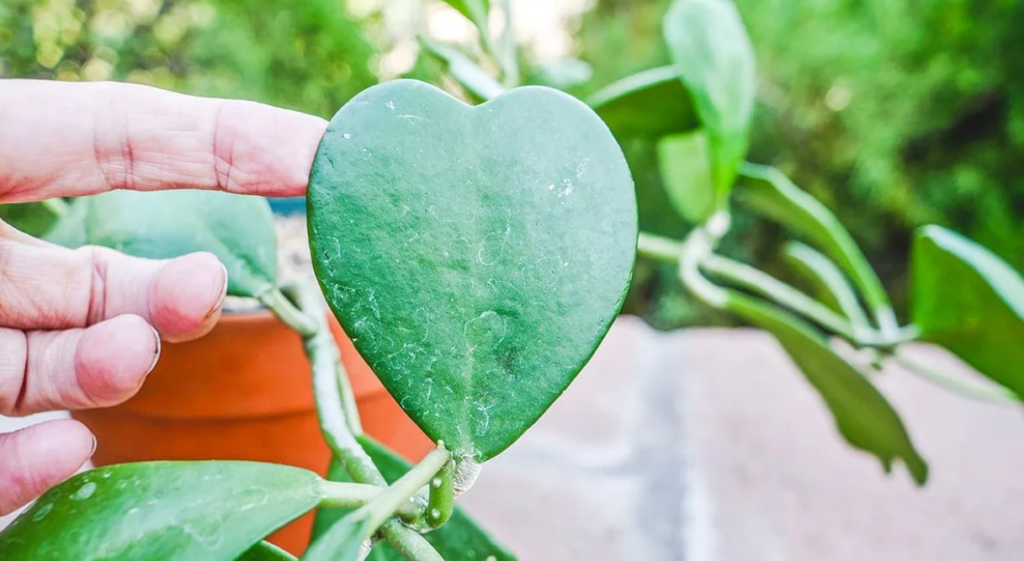
Hoya Kerrii is considered mildly toxic to pets and humans if ingested, causing stomach irritation. Keep it out of reach of curious pets and children.
Hoya Kerrii Varieties
Popular varieties include:
- Hoya Kerrii Green – Classic green leaves
- Hoya Kerrii Variegata – Cream/yellow variegation on edges
- Hoya Kerrii Reverse Variegata – Variegation in the center
Variegated types need brighter light to maintain color.
Final Thoughts
Hoya Kerrii, or the Sweetheart Plant, is more than just a cute decorative plant—it’s a symbol of love and a rewarding low-maintenance houseplant. With proper light, occasional watering, and patience, it can grow into a beautiful trailing vine and even reward you with fragrant blooms.
If you’re looking for a charming and easy-care plant for your collection, Hoya Kerrii is a perfect choice.
Bring home this heart-shaped beauty and let it brighten your indoor garden!
Frequently Asked Questions
1. How often should I water a Hoya Kerrii?
Water your Hoya Kerrii when the top 2–3 inches of soil feels dry. In warmer months, this may be every 1–2 weeks, while in winter it needs less frequent watering.
2. Can a single Hoya Kerrii leaf grow into a full plant?
A single leaf can survive for years, but it usually won’t grow into a full vine unless it has a stem node attached.
3. Does Hoya Kerrii need direct sunlight?
Hoya Kerrii prefers bright, indirect light. Some gentle morning sun is fine, but harsh afternoon sunlight can burn the leaves.
4. Why are my Hoya Kerrii leaves wrinkled?
Wrinkled leaves are often a sign of underwatering or damaged roots that can’t absorb moisture properly.
5. How fast does Hoya Kerrii grow?
Hoya Kerrii is a slow-growing plant, especially indoors. Growth improves with bright light, warm temperatures, and regular feeding.