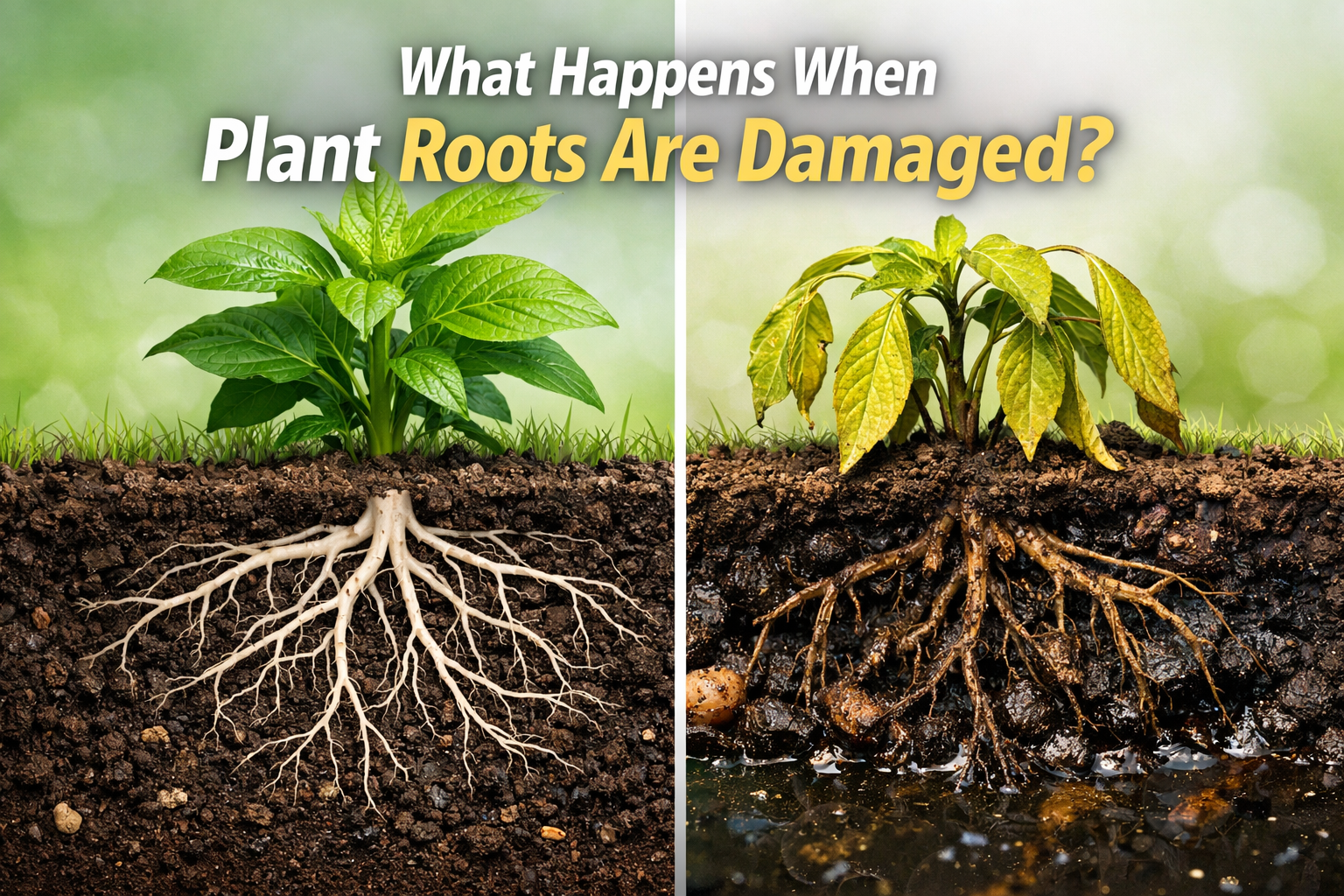
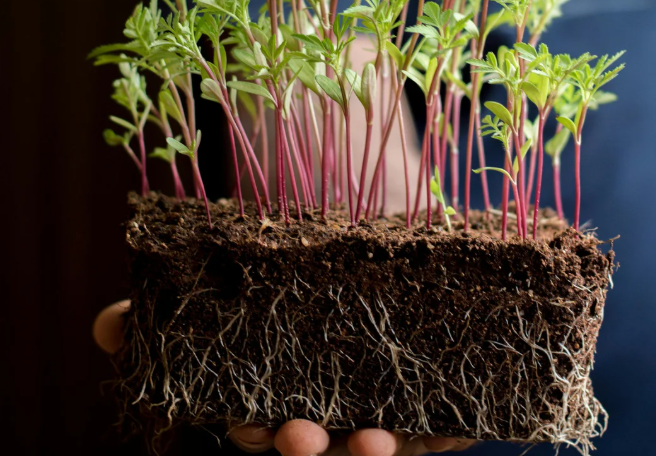
Roots are the hidden engine of every plant. We admire green leaves and colorful flowers, but the real work happens underground. When roots are damaged, the entire plant system begins to struggle. Think of roots as both the stomach and the feet of a plant. They absorb water and nutrients while also keeping the plant stable in the soil. If something interferes with that system, the plant cannot function properly. You may first notice small changes like drooping leaves or slower growth, but internally, a much bigger crisis is happening. Water flow decreases, nutrients fail to reach stems and leaves, and energy production slows down.
Over time, the plant becomes weak and vulnerable to disease. Understanding what happens when roots are damaged helps you react quickly and prevent permanent harm. Healthy roots always mean a stronger, more resilient plant above the soil.
Why Roots Are the Most Important Part of a Plant
Roots play a critical role in plant survival, even though we rarely see them. They act as a supply chain system, continuously drawing water and essential nutrients from the soil. Without this steady flow, the plant cannot produce chlorophyll or perform photosynthesis effectively. Roots also store food reserves that the plant uses during stress periods like drought or winter dormancy.
Another important function is anchoring. Strong roots hold the plant upright against wind, rain, and external pressure. If the roots weaken, the plant may lean or collapse entirely. Additionally, roots communicate with soil microorganisms, forming beneficial relationships that improve nutrient absorption. When roots are damaged, all these systems are disrupted at once. It’s like shutting down electricity in a building — everything above ground begins to fail slowly. This is why root health should always be a top priority in plant care.
Immediate Signs of Root Damage
When a plant’s roots are injured, the warning signs often appear quickly. One of the most common symptoms is wilting, even when the soil feels moist. This happens because damaged roots cannot absorb water efficiently. You might also notice leaves turning yellow or developing brown, crispy edges. That discoloration signals nutrient deficiency caused by poor uptake.
Another early sign is slowed growth. The plant may stop producing new leaves or flowers because it lacks the energy to do so. In some cases, leaves may drop suddenly as the plant tries to conserve resources. Stems can also become soft or weak due to reduced structural support. These symptoms can easily be mistaken for overwatering or underwatering, which makes diagnosis tricky. However, if care adjustments don’t improve the situation, root damage is often the hidden cause beneath the soil surface.
Internal Effects of Root Injury
While the visible symptoms are concerning, the internal effects of root damage are even more serious. Roots function as pipelines that transport water and minerals upward. When those pipelines are broken, the flow becomes restricted. As a result, the leaves cannot perform photosynthesis efficiently because they lack sufficient water and nutrients.
This reduces the plant’s ability to produce glucose, which is its main energy source. Over time, the plant enters survival mode. Growth slows, flowering stops, and stored energy reserves begin to deplete. Additionally, damaged roots create open wounds underground, making the plant more vulnerable to fungal infections and harmful bacteria. Soil pathogens can easily enter through injured tissues. Without a strong root system, the plant loses its defense mechanism and resilience. The longer the internal imbalance continues, the harder it becomes for the plant to recover fully.
Long-Term Consequences of Damaged Roots
If root damage is not treated promptly, the long-term consequences can be severe. Chronic water and nutrient deficiencies weaken the plant’s immune system, making it more susceptible to diseases like root rot. Fungal infections thrive in stressed root systems, especially in poorly drained soil. Over time, growth becomes permanently stunted.
The plant may remain smaller than normal and produce fewer leaves or flowers. In extreme cases, large portions of the root system may die, preventing recovery altogether. Structural instability can also develop, causing the plant to lean or fall over. For fruiting or flowering plants, yield may drop significantly. Even if the plant survives, it might never return to its original strength. This is why early detection and quick intervention are critical. Ignoring root problems is like ignoring a slow leak in a foundation — eventually, the damage spreads beyond repair.
Common Causes of Root Damage
Root damage can happen for many reasons, often unintentionally. Overwatering is one of the most common causes. When soil remains constantly wet, roots suffocate due to lack of oxygen. This leads to decay and fungal growth. On the other hand, underwatering can dry out root tissues, causing them to shrink and die. Transplant shock is another major factor.
Rough handling during repotting can tear delicate roots, disrupting their function. Soil compaction also restricts root expansion, limiting access to oxygen and nutrients. Pests such as root-feeding insects can chew through underground tissues, weakening the entire plant. Even excessive fertilizer can burn roots, causing chemical damage. Understanding these causes helps prevent future issues. Most root damage results from environmental stress rather than sudden accidents. Paying attention to soil quality, watering habits, and gentle handling makes a significant difference in maintaining healthy roots.
Can a Plant Recover from Root Damage?
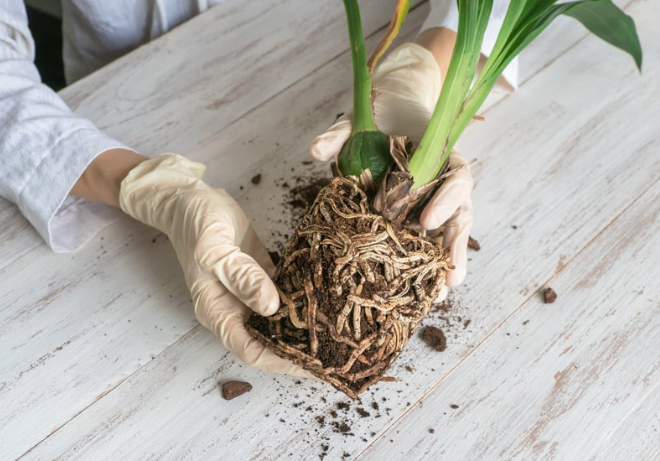
The good news is that plants are surprisingly resilient. Recovery is possible if enough healthy roots remain intact. The first step is identifying the problem early. Gently inspecting the root system can reveal black, mushy, or dry roots that need trimming. Removing damaged portions allows the plant to focus on regrowing healthy tissue.
Repotting in fresh, well-draining soil improves oxygen flow and reduces disease risk. Watering should be adjusted carefully — not too much, not too little. Avoid fertilizing immediately, as stressed roots may burn easily. Signs of recovery include new leaf growth, firmer stems, and improved color. However, patience is essential. Root regeneration takes time, sometimes weeks or months. The key is creating a stable, supportive environment. While severe damage may be irreversible, minor to moderate root injuries can often heal with proper care and attention.
Prevention Tips for Healthy Roots
Prevention is always easier than treatment when it comes to root health. Start with proper watering habits. Always check the top layer of soil before watering again. If it feels dry, then water deeply but allow excess moisture to drain.
Choosing well-draining soil is equally important. A mix that allows airflow prevents water from stagnating around roots. During repotting, handle roots gently and avoid unnecessary disturbance. Ensure pots have drainage holes to prevent water buildup. Avoid over-fertilizing, as concentrated salts can burn sensitive root tissues. Regularly inspect plants for pests and signs of stress. Healthy soil structure supports strong root expansion and oxygen exchange. Think of root care as building a strong foundation for a house — if the base is solid, everything above it thrives. Consistent, mindful care keeps roots healthy and plants flourishing for years.
Conclusion
Root damage disrupts a plant’s ability to absorb water, transport nutrients, and maintain stability. The effects range from mild wilting to severe plant death, depending on the extent of the injury. Because roots operate beneath the surface, problems often go unnoticed until visible symptoms appear. Early detection, proper treatment, and preventive care are essential for recovery. By maintaining balanced watering, healthy soil, and gentle handling, you can protect your plants from long-term harm. Remember, strong roots create strong plants.
FAQs
1. Can plants regrow damaged roots?
Yes, many plants can regenerate roots if the damage is not severe.
2. How do I know if root rot has started?
Look for black, mushy roots and a foul smell from the soil.
3. Should I repot a plant with root damage?
Yes, repotting in fresh soil can improve recovery chances.
4. How long does root recovery take?
It varies but typically takes several weeks to a few months.
5. Can fertilizer worsen root damage?
Yes, excessive fertilizer can burn already stressed roots.