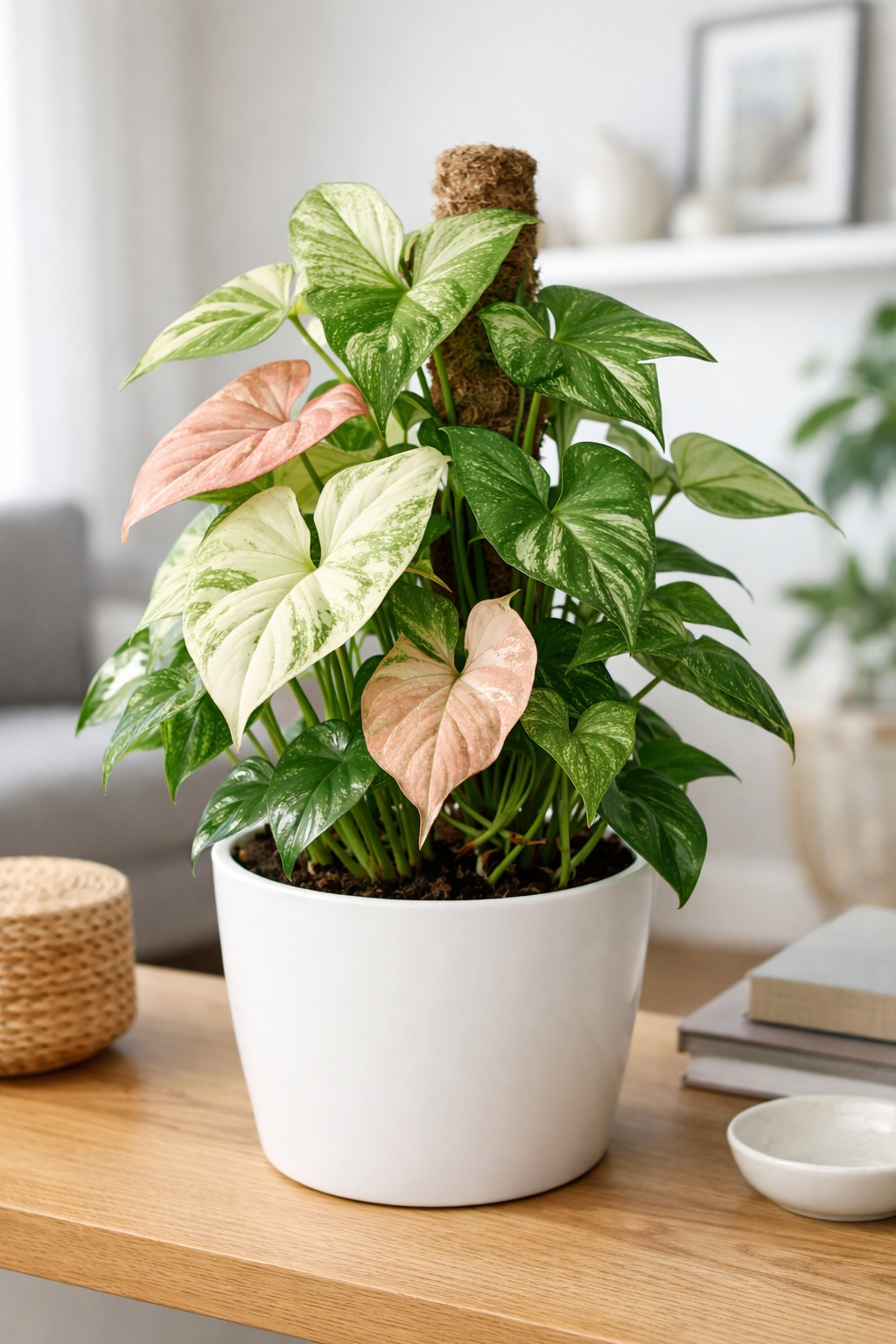
I’ve always found Syngonium, commonly known as the Arrowhead Plant, to be one of the most versatile and beginner-friendly indoor plants you can grow. If you’re someone who loves greenery but doesn’t want a high-maintenance routine, this plant feels like the perfect match. What instantly draws me to Syngonium is its beautiful arrow-shaped leaves that change form as the plant matures, almost like it’s growing up alongside you. Native to the tropical rainforests of Central and South America, Syngonium brings a subtle jungle vibe into any indoor space without demanding constant attention.
I appreciate how adaptable it is—it grows happily in apartments, offices, and even low-light corners where many plants struggle. Whether I place it on a shelf, let it trail from a hanging basket, or train it to climb a moss pole, it always looks stylish. Beyond aesthetics, Syngonium also helps improve indoor air quality, which makes it both a decorative and practical choice. In this guide, I’ll share everything I’ve learned about caring for, growing, and styling Syngonium so you can enjoy this beautiful plant with confidence.
What Is Syngonium (Arrowhead Plant)?
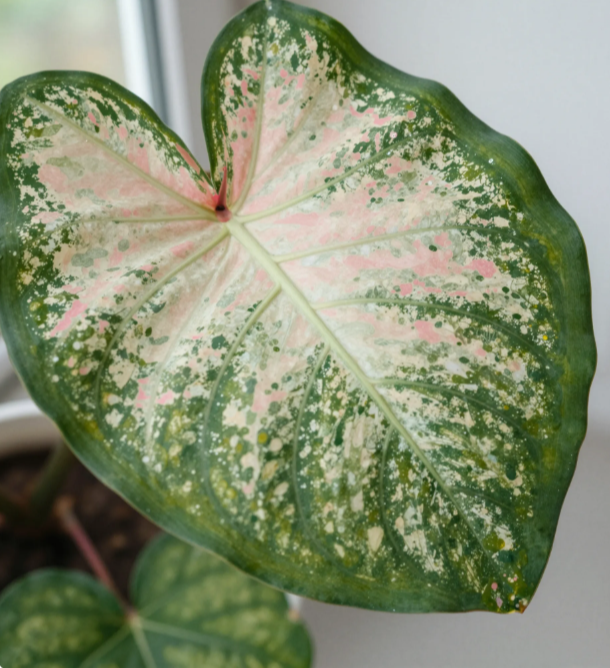
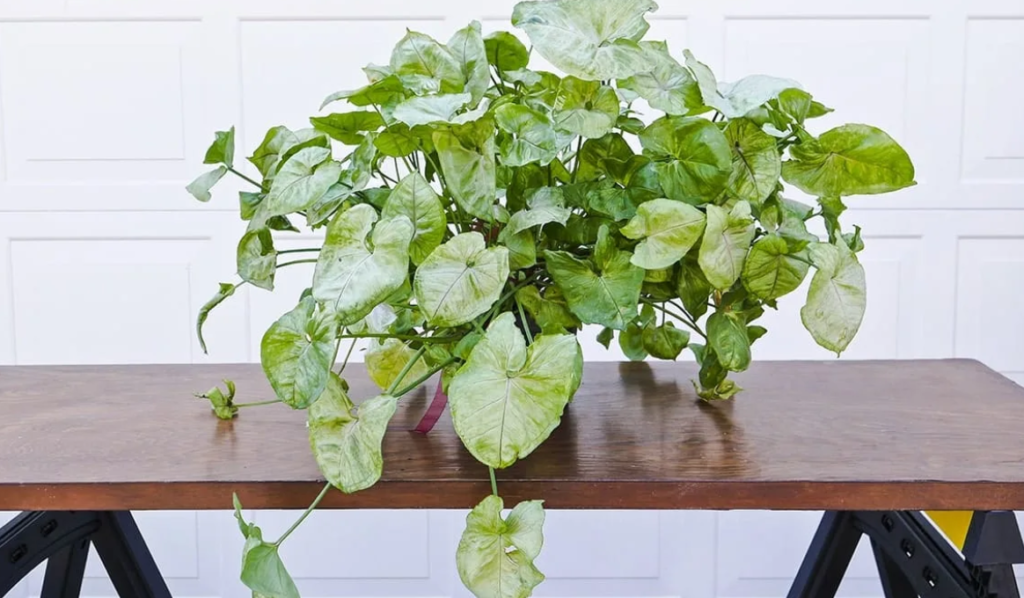
Syngonium, commonly known as the Arrowhead Plant, is one of those houseplants I always recommend to beginners and busy plant lovers. I love it because it’s forgiving, fast-growing, and incredibly decorative. The plant gets its name from its arrow-shaped leaves, which are most noticeable in young plants. As it matures, the leaf shape becomes more divided, giving it a totally new personality over time.
What really stands out to me is how adaptable Syngonium is. It thrives in apartments, offices, and low-light corners where many plants struggle. Native to tropical rainforests of Central and South America, this plant naturally grows as a climbing vine, using trees for support. Indoors, it behaves as both a trailing and climbing plant, depending on how I train it.
Key features I love:
- Attractive foliage in many colors
- Easy care and low maintenance
- Air-purifying qualities
- Suitable for hanging baskets or tabletops
Because of its resilience and beauty, Syngonium has become a staple indoor plant worldwide, especially for modern homes.
Popular Syngonium Varieties You Should Know
One reason I never get bored of Syngonium is the sheer number of varieties available. Each variety brings a different color, mood, and style to indoor spaces. Some have soft pastel shades, while others feature bold contrasts that instantly catch the eye.
My personal favorites include:
- Syngonium podophyllum ‘White Butterfly’ – Light green leaves with creamy white centers
- Syngonium ‘Pink Allusion’ – Soft pink tones perfect for minimal interiors
- Syngonium ‘Neon Robusta’ – Bright pink leaves that stand out dramatically
- Syngonium ‘Pixie’ – Compact and ideal for desks or shelves
- Syngonium ‘Maria Allusion’ – Coppery-green leaves with pink veins
Each variety has the same basic care needs, which makes collecting them easy. I like mixing different types in one room for a layered, jungle-like effect. Whether you prefer subtle elegance or bold color, there’s a Syngonium that fits your taste perfectly.
Natural Habitat and Growth Pattern
Understanding where Syngonium comes from really helped me improve how I care for it. In nature, this plant grows on tropical forest floors and climbs up trees to reach filtered sunlight. This explains why it prefers indirect light and slightly moist conditions indoors.
Syngonium starts its life as a compact plant, but as it matures, it naturally wants to climb or trail. Without support, the stems spill beautifully over pots. With a moss pole or trellis, it climbs upward, producing larger leaves.
Natural growth traits include:
- Aerial roots for climbing
- Fast growth during warm seasons
- Leaf shape changes with age
- Strong adaptability to indoor environments
When I mimic its natural habitat—warmth, humidity, and indirect light—the plant rewards me with lush, healthy growth. Treating it like a tropical vine rather than a rigid houseplant makes all the difference.
Light Requirements for Healthy Syngonium
Light is one of the most important factors for keeping Syngonium vibrant. From my experience, bright indirect light is the sweet spot. Too much direct sunlight can scorch the leaves, while very low light slows growth and fades leaf color.
Ideal lighting tips:
- Place near east or north-facing windows
- Filter harsh sunlight with curtains
- Variegated varieties need slightly more light
- Low light is tolerated but not ideal
I’ve noticed that pink and variegated types lose their color if kept too dark. On the other hand, solid green varieties handle lower light better. If I see leggy growth or pale leaves, I know it’s time to move the plant closer to light. Proper lighting keeps the foliage compact, colorful, and full.
Best Soil Mix for Arrowhead Plant
Syngonium isn’t too picky about soil, but the right mix makes growth smoother and root problems rare. I always use a well-draining, airy soil that holds some moisture without becoming soggy.
My preferred soil mix includes:
- 40% regular potting soil
- 30% coco peat or peat moss
- 20% perlite or pumice
- 10% compost or worm castings
This combination keeps roots oxygenated and prevents waterlogging. Good drainage is essential because Syngonium roots don’t like sitting in wet soil. I also make sure the pot has drainage holes. Healthy soil equals healthy roots, and healthy roots mean faster growth and better-looking leaves.
Watering Syngonium the Right Way
Watering is where many people go wrong, but I keep it simple. I water my Syngonium when the top inch of soil feels dry. Overwatering leads to yellow leaves and root rot, while underwatering causes drooping.
Watering tips I follow:
- Water thoroughly, not frequently
- Empty saucers after watering
- Reduce watering in winter
- Use room-temperature water
I’ve learned to watch the plant instead of the calendar. If the leaves look slightly limp, it’s usually thirsty. Consistent but moderate watering keeps Syngonium happy and stress-free.
Ideal Temperature and Humidity Levels
Since Syngonium is tropical, warmth and humidity make it thrive. I keep mine in temperatures between 18–30°C (65–85°F). Cold drafts or sudden temperature drops can shock the plant.
Humidity preferences:
- Moderate to high humidity
- Ideal for bathrooms with light
- Benefits from misting or humidifiers
Dry air can cause brown leaf edges, especially in winter. I group plants together or use a pebble tray to boost humidity naturally. When the environment feels comfortable to me, it usually feels comfortable to Syngonium too.
Fertilizing Syngonium for Faster Growth
Feeding Syngonium isn’t complicated, but it does appreciate regular nutrients. During spring and summer, I fertilize once every 3–4 weeks using a balanced liquid houseplant fertilizer.
Fertilizing tips:
- Dilute fertilizer to half strength
- Avoid overfeeding
- Stop fertilizing in winter
Over-fertilizing causes salt buildup and leaf burn, so less is more. Proper feeding encourages lush foliage and faster vine development without stressing the plant.
Pruning and Training for Bushy Growth
Pruning is one of my favorite care tasks because it instantly improves the plant’s shape. Syngonium responds very well to trimming. When I cut back long vines, the plant becomes bushier and fuller.
Pruning benefits:
- Encourages side shoots
- Controls size and shape
- Improves airflow
I use clean scissors and trim just above a leaf node. The cuttings never go to waste—I use them for propagation. Training vines on moss poles also helps create a dramatic vertical look.
Propagation Methods: Step-by-Step
Propagating Syngonium is incredibly easy, which makes it perfect for sharing with friends. I usually propagate through stem cuttings.
Steps I follow:
- Cut below a node with aerial root
- Place cutting in water or soil
- Keep in warm, bright location
- Roots develop in 2–3 weeks
Water propagation lets me watch roots grow, which is always satisfying. Once roots are established, I transfer them to soil. Propagation is fast, beginner-friendly, and rewarding.
Common Problems and Solutions
Even easy plants have issues sometimes. The good news is Syngonium problems are usually simple to fix.
Common issues:
- Yellow leaves → Overwatering
- Brown edges → Low humidity
- Leggy growth → Low light
By adjusting water, light, or humidity, most problems resolve quickly. I always recommend checking care conditions before assuming disease.
Pests and Diseases to Watch Out For
Syngonium is fairly pest-resistant, but it’s not immune. I occasionally spot spider mites or aphids, especially in dry conditions.
Prevention tips:
- Inspect leaves regularly
- Wipe leaves with damp cloth
- Use neem oil if needed
Early detection makes treatment easy. Healthy plants are less likely to attract pests, so good care is the best defense.
Syngonium Toxicity and Pet Safety
One thing I always mention is that Syngonium is toxic if ingested. It contains calcium oxalate crystals that can irritate the mouth and stomach.
Safety tips:
- Keep out of reach of pets
- Avoid placing in play areas
- Wash hands after pruning
With simple precautions, it’s safe to grow in most homes.
Indoor Styling and Decor Ideas
Styling Syngonium is where creativity shines. I love using it in hanging baskets, shelves, and plant stands.
Decor ideas:
- Train on moss poles
- Use in bathrooms or kitchens
- Mix varieties for contrast
Its trailing vines soften hard corners and add life to any room.
Benefits of Growing Syngonium Indoors
Beyond looks, Syngonium offers real benefits. It improves indoor air quality and boosts mood. For me, it’s a stress-free plant that always looks good.
Key benefits:
- Easy for beginners
- Fast growth
- Decorative foliage
- Low maintenance
It’s a plant that gives more than it asks for.
Conclusion
Syngonium is one of the most versatile and rewarding indoor plants I’ve grown. With minimal care, it delivers lush foliage, flexible styling, and fast growth. Whether you’re a beginner or a seasoned plant lover, this arrowhead beauty deserves a spot in your home.
FAQs
1. How fast does Syngonium grow indoors?
With proper care, it grows quickly, especially in warm months.
2. Can Syngonium survive low light?
Yes, but growth will slow and colors may fade.
3. Should I mist my Syngonium?
Occasional misting helps, especially in dry air.
4. How often should I repot Syngonium?
Every 1–2 years or when roots outgrow the pot.
5. Is Syngonium good for beginners?
Absolutely. It’s one of the easiest houseplants to maintain.