
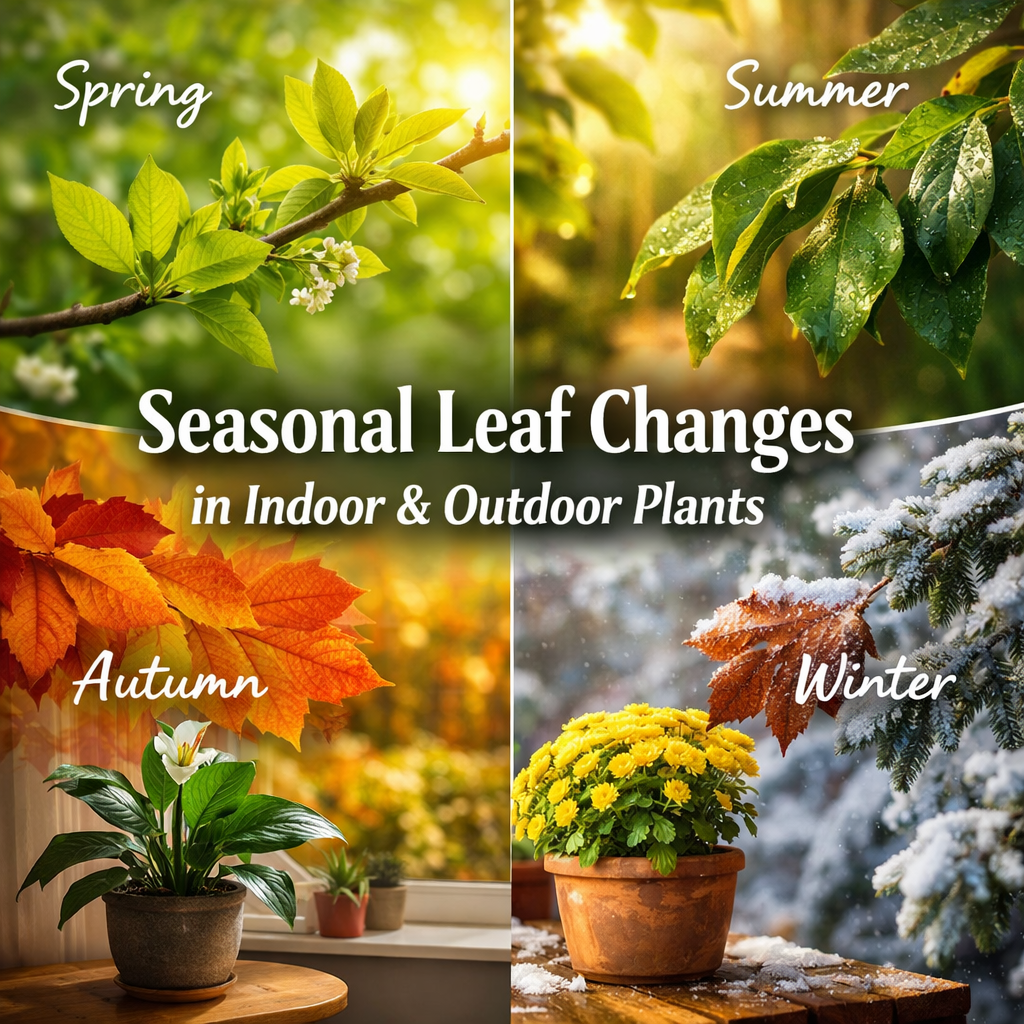
Seasonal leaf changes in indoor and outdoor plants are nature’s quiet signals that something deeper is happening beneath the surface. From the bright green flush of spring to the golden drop of autumn, leaves constantly respond to shifts in light, temperature, and moisture. Even houseplants sitting by your window feel these changes, though often in subtler ways.
Understanding why leaves change color, curl, fall, or slow their growth helps you become a more confident plant owner. Instead of worrying at every yellow leaf, you begin to recognize natural cycles and seasonal rhythms that guide healthy plant growth all year round.
Understanding Why Leaves Change with Seasons
If you’ve ever stared at a tree in autumn and wondered why it suddenly looks like it’s on fire with reds and oranges, you’re not alone. Seasonal leaf changes are nature’s way of responding to environmental signals. Plants are incredibly sensitive to shifts in temperature, daylight hours, humidity, and rainfall. When these external factors change, internal plant chemistry follows suit.
Leaves act like tiny solar panels. They capture sunlight and convert it into energy through photosynthesis. But as seasons shift, the efficiency and need for this energy production also change. Shorter days signal plants to slow down growth. Cooler temperatures reduce enzyme activity. The result? Visible changes in leaf color, texture, and structure.
Key seasonal triggers include:
- Decreasing daylight hours
- Temperature fluctuations
- Soil moisture variation
- Hormonal signals inside plants
Think of it as a plant’s internal calendar. Unlike us, they don’t check a date—they respond to sunlight and temperature. Indoor plants experience seasonal changes too, though more subtly. Even inside your home, light angles shift and heating systems affect humidity.
Understanding this natural rhythm helps you avoid panic when leaves turn yellow or drop. Sometimes, it’s not a problem. It’s just nature doing what it does best—adapting.
The Science Behind Chlorophyll Breakdown
Let’s talk chemistry—but keep it simple. The green color in leaves comes from chlorophyll, the pigment responsible for absorbing sunlight. During spring and summer, chlorophyll production is at its peak. Leaves look vibrant green because chlorophyll dominates all other pigments.
When autumn approaches, daylight decreases. Plants begin breaking down chlorophyll because they no longer need to maximize photosynthesis. As chlorophyll fades, other pigments hidden inside the leaf become visible. These include:
- Carotenoids (yellow and orange tones)
- Anthocyanins (red and purple hues)
- Tannins (brown shades)
This is why trees transform into breathtaking landscapes of color. It’s not that leaves suddenly “turn” red; those pigments were there all along. They were just masked by chlorophyll.
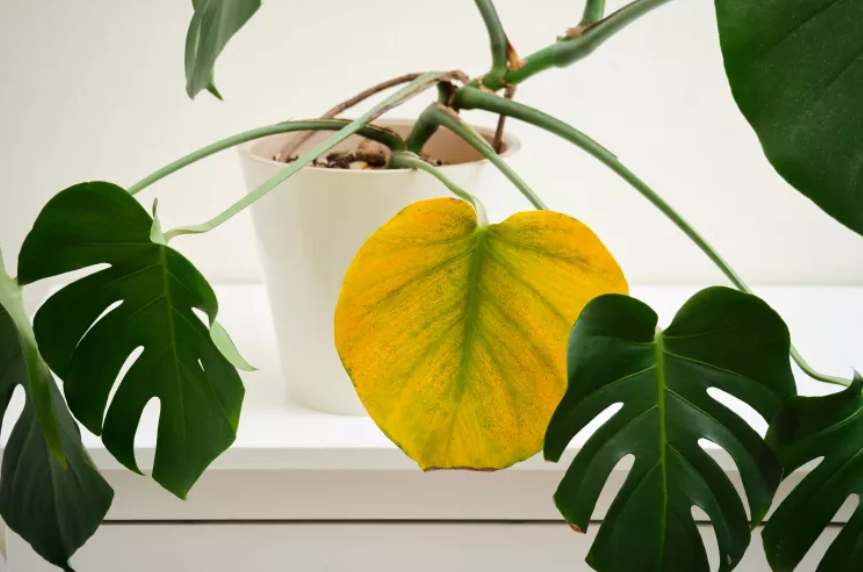
In indoor plants, chlorophyll breakdown may occur due to low light rather than seasonal cold. If your houseplant sits near a window that receives less winter sunlight, you may notice fading or yellowing leaves.
So next time you see leaves changing color, remember: it’s not decay—it’s a carefully orchestrated chemical process.
Role of Temperature and Daylight
Temperature and daylight act like a switchboard for plant behavior. Longer days and warm temperatures tell plants to grow, produce leaves, and even flower. Shorter days and cold temperatures signal them to conserve energy.
Plants measure daylight through a system called photoperiodism. Specialized cells detect light duration and trigger hormonal changes. These hormones control leaf growth, dormancy, and shedding.
Important seasonal influences include:
- Reduced sunlight in autumn
- Cold night temperatures
- Frost signals in late fall
- Indoor heating during winter
Outdoor plants experience these changes directly. Indoor plants, however, are influenced by artificial lighting and heating systems. You might think your living room stays warm year-round, but daylight duration still changes. That alone can slow down growth.
Have you noticed your indoor plants growing slower in winter? That’s not coincidence. Growth hormones decrease, and plants enter a semi-rest phase.
Understanding this helps you adjust care routines. Less sunlight means reduced watering needs. Cooler soil means slower nutrient absorption. Matching care to seasonal signals keeps your plants thriving.
Spring Leaf Changes in Outdoor Plants
Spring is like a grand reopening for plants. After months of dormancy, trees and shrubs burst into life. Buds swell, fresh leaves unfurl, and everything feels vibrant again.
During winter, many plants conserve energy in roots and stems. As temperatures rise and daylight increases, stored nutrients fuel rapid leaf growth. This is why spring growth can seem explosive.
Spring leaf characteristics include:
- Bright green coloration
- Soft, delicate texture
- Rapid expansion
- Increased nutrient demand
New leaves are tender and more vulnerable to pests and sudden frost. Gardeners often see leaf curling or minor discoloration during early spring cold snaps.
Indoor plants may also respond to longer daylight. You might notice new shoots forming. This is the ideal time to repot, fertilize, and prune because plants are actively growing.
Spring represents renewal. But it also demands proper care. Without adequate nutrients and water, new leaves may appear weak or pale.
Summer Leaf Adaptations in Outdoor Plants
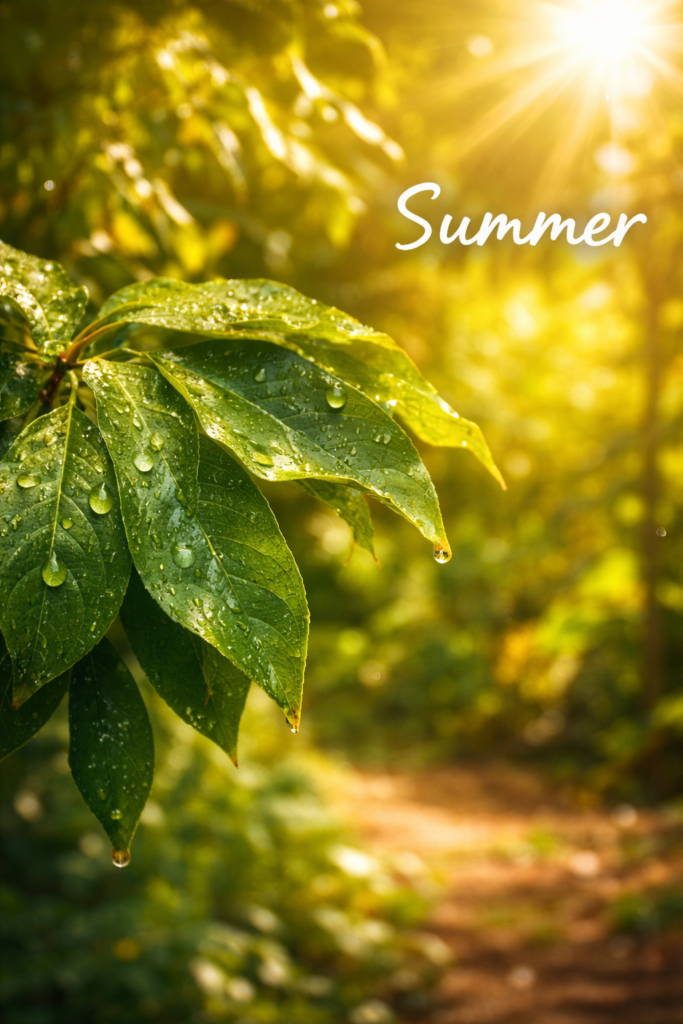
Summer pushes plants to their limits. High temperatures, intense sunlight, and potential drought conditions force leaves to adapt quickly.
Leaves may become thicker to reduce water loss. Some plants develop a waxy coating to prevent dehydration. Others curl their leaves to minimize surface exposure.
Common summer leaf adaptations:
- Leaf curling during peak heat
- Slight browning at edges
- Slower midday photosynthesis
- Increased transpiration
Transpiration is the process where water evaporates from leaf surfaces. In summer, this process intensifies. If roots cannot absorb enough water, leaves wilt.
Indoor plants near sunny windows may also suffer heat stress. Direct afternoon sunlight can scorch delicate leaves.
Think of summer like a stress test. Plants that survive are those with efficient water regulation systems. Your job? Provide consistent watering without drowning roots.
Autumn Leaf Color Transformation
Autumn is arguably the most dramatic season for leaf changes. As chlorophyll fades, carotenoids and anthocyanins take center stage.
The intensity of autumn colors depends on:
- Temperature variation
- Sunlight exposure
- Soil moisture
- Tree species
Cool nights and sunny days produce the most vibrant reds. When temperatures drop significantly, leaves prepare to detach from branches. A separation layer forms at the base of the leaf stem.
This process is called abscission. It prevents water loss during winter. Eventually, gravity takes over and leaves fall.
Indoor plants rarely show dramatic autumn colors. However, some may slow growth or shed older leaves.
Autumn isn’t about death. It’s preparation. Plants are reallocating resources, conserving energy, and bracing for winter.
Winter Leaf Survival Strategies
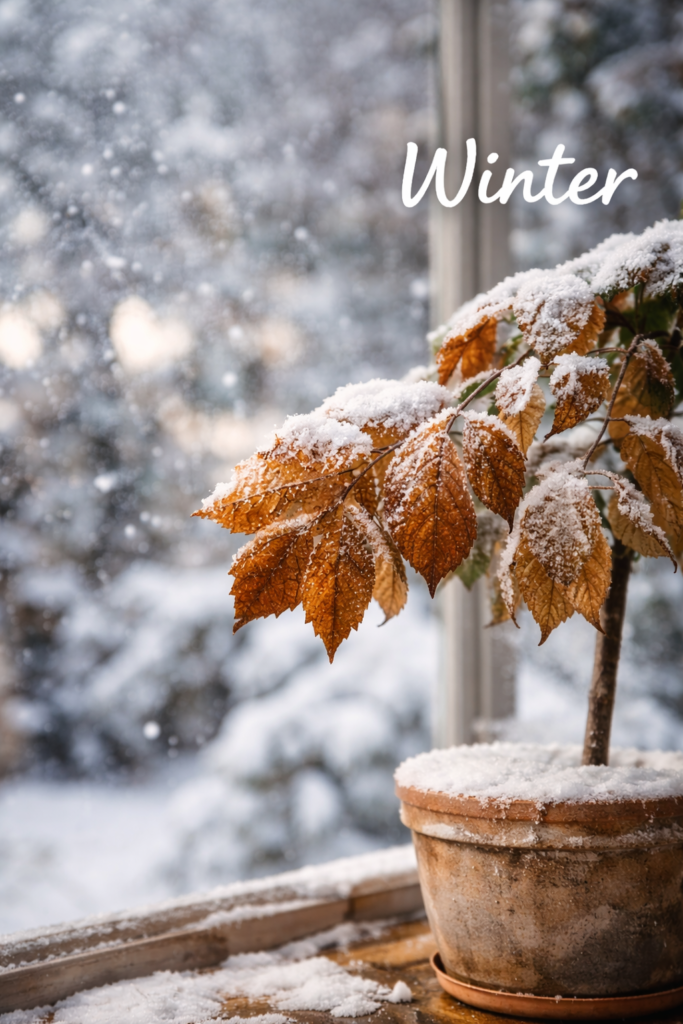
Winter presents survival challenges. Deciduous plants shed leaves entirely to reduce water loss. Evergreen plants keep their leaves but adapt internally.
Deciduous strategies include:
- Complete leaf drop
- Dormant buds
- Reduced metabolic activity
Evergreens use thick, needle-like leaves to conserve moisture. Their waxy coating protects against frost damage.
Indoor plants experience artificial winter. Heating systems reduce humidity, causing leaf tips to brown. Light levels drop, slowing growth.
Frost can damage leaf cells by forming ice crystals. That’s why some leaves turn black after a freeze.
Winter care involves reduced watering and increased humidity control indoors. Plants are resting, not actively growing.
Seasonal Changes in Indoor Plants
Many people assume indoor plants are immune to seasons. Not true. They respond to subtle shifts in light, temperature, and humidity.
In winter, daylight hours shorten even indoors. Growth slows. In summer, longer days stimulate activity.
Indoor seasonal factors include:
- Window light angle changes
- Air conditioning drafts
- Heater dryness
- Reduced watering needs in winter
Common indoor seasonal signs:
- Yellowing lower leaves
- Slower growth
- Temporary leaf drop
Understanding these changes prevents overreaction. Often, plant owners overwater in winter, leading to root rot.
Your home is a microclimate. Adjust care routines based on season, even if the temperature feels stable.
Common Seasonal Leaf Problems and Solutions
Seasonal shifts can cause confusion. Is yellowing natural or a problem? Is leaf drop normal?
Common issues:
- Yellow leaves from overwatering
- Brown tips from low humidity
- Wilting during heat waves
- Premature leaf drop due to stress
The key is pattern recognition. If multiple leaves drop suddenly in autumn, that’s natural for deciduous plants. If indoor leaves yellow during winter, check light levels.
Solutions include:
- Adjust watering frequency
- Increase humidity with trays or humidifiers
- Move plants closer to windows
- Reduce fertilizer during dormancy
Plants communicate through leaves. If you learn their seasonal language, you’ll respond correctly.
How to Care for Plants Through Seasonal Changes
Caring for plants across seasons isn’t complicated. It just requires awareness.
Seasonal care adjustments:
- Water less in winter
- Fertilize during spring growth
- Protect from summer heat
- Prune during dormancy
Spring and summer are growth seasons. Increase feeding and watering gradually. Autumn signals reduction. Winter means rest.
Indoor plants benefit from rotating pots to maximize light exposure during shorter days.
Think of plant care like adjusting your wardrobe. You wouldn’t wear a winter coat in July, right? Plants also need seasonal adjustments.
By aligning care with natural cycles, you prevent stress, encourage vibrant leaves, and support long-term health.
Conclusion
Seasonal leaf changes in indoor and outdoor plants are not random events. They are deeply rooted in environmental signals, biological chemistry, and survival strategies. From the vibrant greens of spring to the fiery hues of autumn, every shift tells a story of adaptation. Outdoor plants respond dramatically to temperature and daylight, while indoor plants react more subtly to changes in light angles and indoor climate conditions. When you understand the science behind chlorophyll breakdown, dormancy, and water regulation, you stop seeing leaf changes as problems and start recognizing them as natural cycles.
Successful plant care means working with seasons, not against them. Adjust watering schedules, observe growth patterns, and provide appropriate light exposure. By aligning your care routine with seasonal rhythms, you create a stable environment that supports strong roots and healthy foliage year-round. Plants, like people, thrive when their environment matches their needs.
FAQs
1. Why do my indoor plant leaves turn yellow in winter?
Yellow leaves in winter often result from reduced light and overwatering. Plants grow slower during colder months and need less moisture.
2. Is leaf drop always a sign of a problem?
Not always. Deciduous plants naturally shed leaves in autumn. Sudden or excessive indoor leaf drop may signal stress.
3. How can I prevent brown leaf tips during winter?
Increase humidity using a humidifier or water tray. Indoor heating systems dry the air and cause browning.
4. Should I fertilize plants during winter?
Generally, no. Most plants enter dormancy and do not actively absorb nutrients during winter.
5. Why do leaves curl in summer?
Leaf curling helps reduce water loss during high heat. Ensure consistent watering and avoid intense direct sunlight.