Leaf spots are one of the most common problems plant owners notice, whether growing indoor plants, garden vegetables, or ornamental landscapes. At first glance, all spots may look similar — small discolorations, brown patches, or yellow halos — but the real cause often differs. The two main culprits behind leaf spot diseases are fungi and bacteria, and identifying which one is affecting your plant is essential for choosing the right treatment. Misdiagnosis can lead to ineffective care, allowing the disease to spread further and weaken plant health.
Understanding the difference between fungal and bacterial damage helps gardeners respond early, prevent plant loss, and maintain a thriving garden environment. Environmental conditions such as humidity, watering habits, airflow, and sanitation play major roles in how these diseases develop and spread. In this guide from MyPlants Valley, we will break down how to recognize symptoms, understand causes, compare visual differences, and apply proper prevention strategies so your plants stay healthy and productive year-round.
What Are Fungal Leaf Spots? Causes, Symptoms, and Development
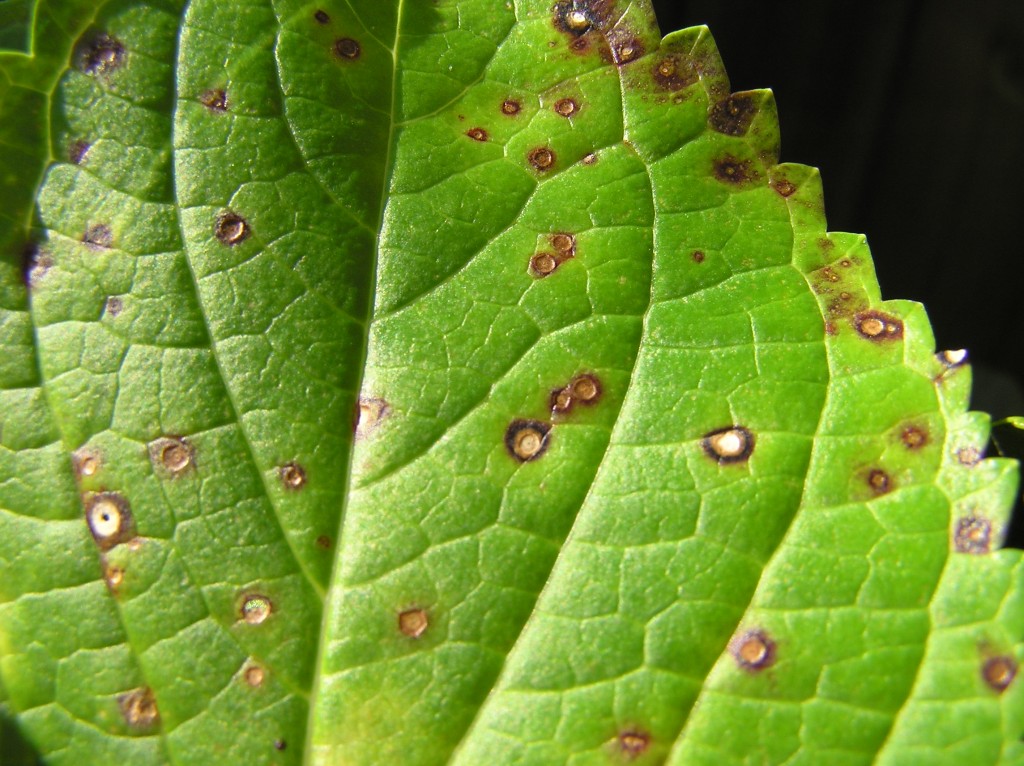
Fungal leaf spots are caused by microscopic fungi that thrive in moist, warm environments. These pathogens spread through airborne spores, splashing water, contaminated tools, or infected plant debris. Once spores land on a leaf surface, they germinate and penetrate plant tissue, creating visible damage over time. Fungal infections usually develop gradually, making early detection extremely important.
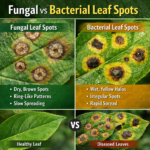
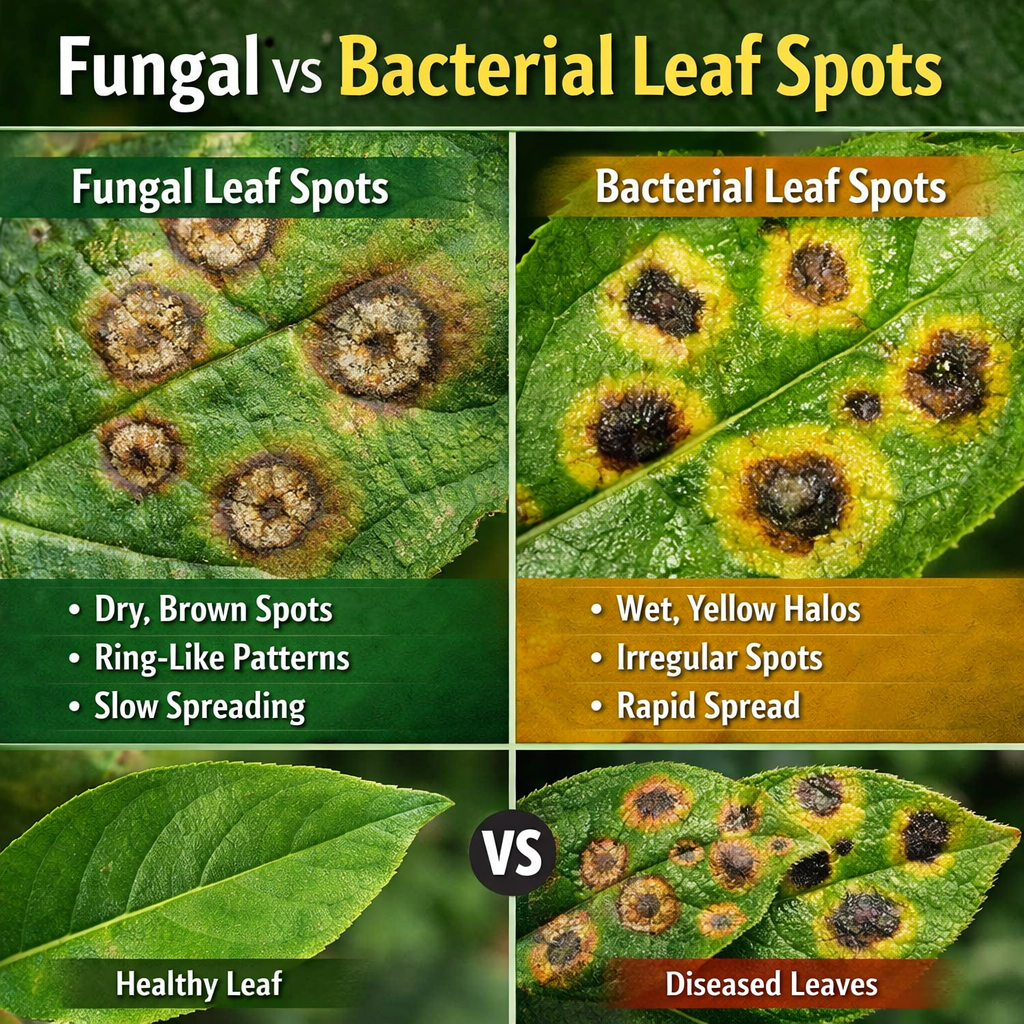
Common symptoms include circular or irregular brown, black, or tan spots that often expand slowly. Many fungal spots display defined edges or concentric rings, sometimes described as a “target-like” appearance. As the disease progresses, leaves may yellow, dry out, or fall prematurely, reducing the plant’s ability to photosynthesize.
Key characteristics of fungal leaf spots include:
- Dry or papery texture around infected areas
- Gradual enlargement of spots
- Visible spores or fuzzy growth in humid conditions
- Spread starting from lower leaves upward
Fungi thrive when leaves stay wet for long periods, especially with overhead watering or poor airflow. Overcrowded plants and excessive humidity increase infection risk significantly. Proper spacing, pruning, and watering at soil level are essential cultural practices to slow fungal disease development and maintain plant resilience.
What Are Bacterial Leaf Spots? Identification and Infection Patterns
Bacterial leaf spots are caused by harmful bacteria entering plant tissues through natural openings or small wounds. Unlike fungi, bacteria rely heavily on water movement to spread, making rain splashes, overhead irrigation, and handling wet plants major transmission sources. These infections often appear suddenly and can spread rapidly under warm, humid conditions.
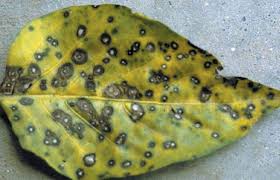
Bacterial spots typically look water-soaked at first, giving leaves a greasy or translucent appearance. As damage progresses, spots may turn dark brown or black and often develop yellow halos around the affected tissue. The edges of bacterial lesions are usually irregular rather than perfectly round, helping distinguish them from fungal infections.
Common signs of bacterial leaf spots include:
- Wet or oily-looking patches
- Rapid expansion during humid weather
- Yellow margins surrounding dark centers
- Leaf tearing or tissue collapse in severe cases
Because bacteria live inside plant tissue, chemical treatments are often less effective once infection is advanced. Prevention becomes the most powerful strategy. Avoid touching plants when wet, sanitize tools regularly, and remove infected leaves quickly to prevent spreading. Good airflow and controlled watering practices significantly reduce bacterial disease outbreaks in both indoor and outdoor plants.
Key Differences Between Fungal and Bacterial Leaf Spots
Distinguishing between fungal and bacterial leaf spots is essential because treatment methods differ greatly. While both cause discoloration and plant stress, their visual patterns and progression provide clear diagnostic clues. Careful observation helps gardeners choose the right solution instead of applying unnecessary treatments.
Fungal leaf spots generally develop slowly and appear dry with clearly defined shapes. In contrast, bacterial spots often spread quickly and look wet or greasy. Environmental triggers also differ slightly, though both favor humidity.
Here is a simplified comparison:
Fungal Leaf Spots
- Circular or ring-shaped lesions
- Dry, cracked, or powdery texture
- Slower disease progression
- May show visible fungal growth or spores
Bacterial Leaf Spots
- Irregular, water-soaked patches
- Yellow halos common
- Rapid spreading after rain or watering
- Tissue may appear soft or collapsed
Another major difference is response to treatment. Fungicides may help control fungal infections but rarely stop bacterial diseases. Meanwhile, copper-based treatments and strict sanitation practices work better against bacterial issues. Correct identification saves time, protects plant health, and prevents unnecessary chemical use, making disease management more sustainable and effective.
How Environmental Conditions Influence Leaf Spot Diseases
Environmental factors play a critical role in determining whether fungal or bacterial leaf spots develop and how aggressively they spread. Moisture is the most influential element because both pathogens require water to infect plant tissue. However, prolonged leaf wetness dramatically accelerates disease severity.
High humidity combined with poor air circulation creates ideal conditions for fungal spores to germinate. Dense plant spacing traps moisture, preventing leaves from drying quickly. Similarly, bacterial pathogens multiply rapidly when water droplets remain on foliage, allowing easy movement between plants.
Major environmental contributors include:
- Overhead watering that keeps leaves wet
- Warm temperatures paired with humidity
- Poor ventilation in indoor growing spaces
- Excess nitrogen fertilizer producing soft, vulnerable growth
Seasonal weather changes also influence outbreaks. Rainy periods often trigger bacterial infections, while consistently humid environments favor fungal diseases. Indoor growers may unknowingly create risk through misting or placing plants too close together.
Improving environmental balance is one of the most effective prevention methods. Water early in the day, ensure proper spacing, prune dense foliage, and use fans or natural airflow indoors. Managing conditions reduces pathogen survival and strengthens plant defenses naturally without relying heavily on treatments.
Prevention and Treatment Strategies for Healthy, Spot-Free Plants
Preventing leaf spot diseases is far easier than curing them after infection spreads. A proactive care routine protects plants from both fungal and bacterial pathogens while supporting overall growth and resilience. Integrated plant care practices work best because they address multiple risk factors simultaneously.
Effective prevention strategies include:
- Watering directly at the soil level instead of overhead
- Removing fallen or infected leaves immediately
- Sterilizing pruning tools between plants
- Providing adequate sunlight and airflow
- Avoiding overcrowding in pots or garden beds
For fungal leaf spots, applying appropriate fungicides early can slow disease progression. Organic options like neem oil or sulfur-based treatments may help when used consistently. Bacterial infections, however, rely more on sanitation and environmental control, though copper sprays can reduce spread when applied preventively.
Regular plant inspection is essential. Check leaf undersides, new growth, and lower foliage weekly to catch early symptoms. Healthy soil, balanced fertilization, and stress-free growing conditions also strengthen natural plant immunity. With consistent monitoring and proper care habits, gardeners can significantly reduce leaf spot problems and maintain vibrant, thriving plants throughout the growing season.
Frequently Asked Questions (FAQ)
1. How can I quickly tell if leaf spots are fungal or bacterial?
Fungal spots usually look dry, circular, and slow-spreading, often with defined edges or ring patterns. Bacterial spots appear wet or greasy, spread faster, and commonly show yellow halos around dark lesions. Observing texture and speed of spread helps with early identification.
2. Do leaf spot diseases kill plants?
Most leaf spots do not immediately kill plants, but severe infections weaken them by reducing photosynthesis. Over time, repeated infections can cause leaf drop, slow growth, and increased vulnerability to other diseases or pests.
3. Can leaf spot diseases spread to nearby plants?
Yes. Fungal spores travel through air and water splashes, while bacteria spread mainly through water movement, contaminated tools, and handling wet plants. Proper sanitation and spacing reduce transmission risk.
4. Should I remove infected leaves?
Yes, removing affected leaves helps limit disease spread. Always disinfect pruning tools afterward to avoid transferring pathogens to healthy plants.
5. Are natural treatments effective for leaf spots?
Organic solutions like neem oil may help manage fungal infections early. However, prevention through airflow, proper watering, and hygiene remains the most effective long-term solution.
Conclusion
Understanding the difference between fungal and bacterial leaf spots is essential for maintaining healthy plants and preventing unnecessary damage. Although both diseases create similar visual symptoms, their causes, spread patterns, and treatment approaches differ significantly. Fungal infections tend to develop slowly and respond well to environmental adjustments and fungicidal treatments, while bacterial diseases spread rapidly and rely heavily on sanitation and prevention strategies for control.
At MyPlants Valley, the goal is not only to treat plant problems but to prevent them through smarter gardening habits. By combining early detection with consistent care practices, growers can protect foliage, encourage stronger growth, and enjoy vibrant, thriving plants throughout every growing season.