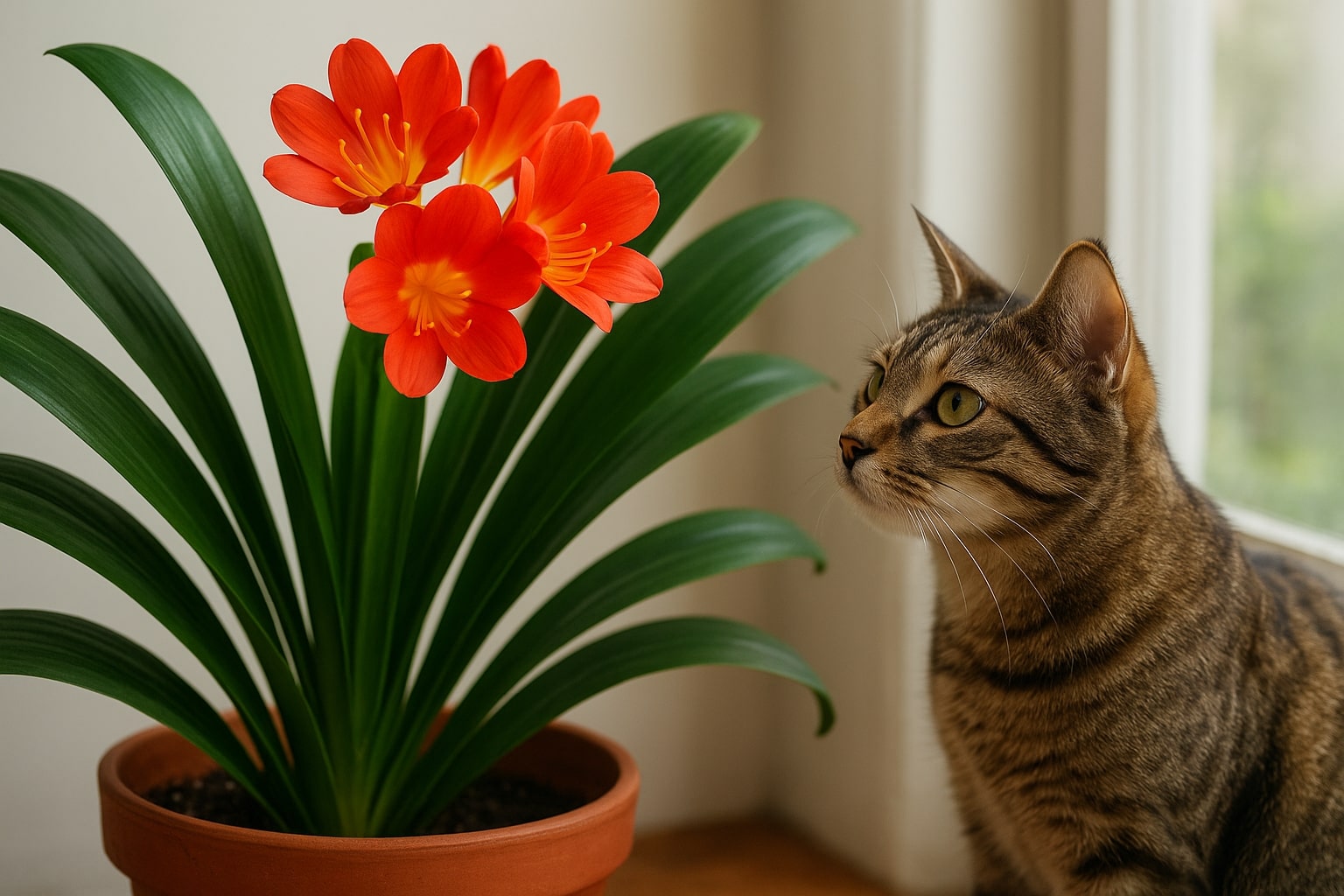
If you’re a cat owner who loves houseplants, you already know how tricky it can be to balance beauty with safety. Cats are naturally curious and often nibble on leaves or flowers. Unfortunately, many ornamental plants contain toxins that can harm your feline friend. One plant often admired for its bright orange blooms is Clivia Miniata, also known as the Kaffir Lily or Bush Lily. But is Clivia Miniata poisonous to cats? Understanding the risks associated with this plant is essential to keeping your pet safe and your home stress-free. This article dives deep into what makes Clivia Miniata toxic, the symptoms of poisoning, and safe alternatives you can grow without worry.
What Is Clivia Miniata?
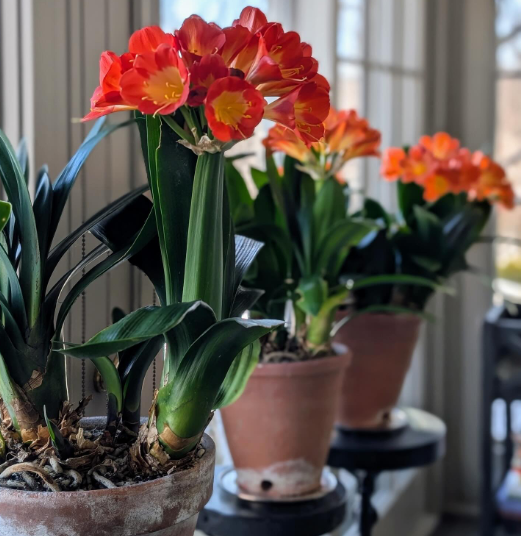
Clivia Miniata is a stunning flowering plant native to South Africa. It belongs to the Amaryllidaceae family, which includes lilies and amaryllis—both known for their toxic effects on pets. Clivia Miniata is admired for its dark green strap-like leaves and vibrant clusters of trumpet-shaped orange or yellow flowers. This low-maintenance, shade-loving plant makes it a popular choice for indoor decoration.
However, beneath its beauty lies a hidden danger for cats. Like its botanical cousins, Clivia Miniata contains harmful compounds that can cause serious health issues in pets if ingested. While it’s harmless to humans, your cat’s system reacts differently, making even small nibbles risky. Knowing what this plant is and what it contains is the first step to creating a pet-friendly indoor garden.
Origins and Popularity of Clivia Miniata
Clivia Miniata originates from the forests of South Africa, where it grows under shaded canopies. Its ability to thrive indoors, even with limited sunlight, has made it a global favorite among plant lovers. Gardeners appreciate its long-lasting blooms and evergreen foliage that add life to homes and offices year-round.
However, many people bring this plant indoors without realizing it belongs to the same family as Narcissus and Amaryllis, both of which are highly toxic to pets. This shared lineage explains why Clivia Miniata can pose a similar risk. Its popularity has soared in recent years thanks to home décor trends, but for cat owners, awareness is crucial before making it part of your living space.
Toxic Components in Clivia Miniata
Clivia Miniata contains toxic alkaloids, primarily lycorine and clivimine, which are known to cause vomiting, drooling, and even tremors in cats. These compounds interfere with your cat’s digestive and nervous systems when ingested. The highest concentration of these toxins is found in the bulbs and leaves, though all parts of the plant are unsafe.
Even a small bite can lead to mild symptoms, while larger ingestion can cause severe reactions. It’s also worth noting that dried leaves or old flower parts can still retain toxicity. As a responsible pet owner, recognizing these harmful components helps you take precautions before bringing this plant into your home.
Why Clivia Miniata Is Toxic to Cats
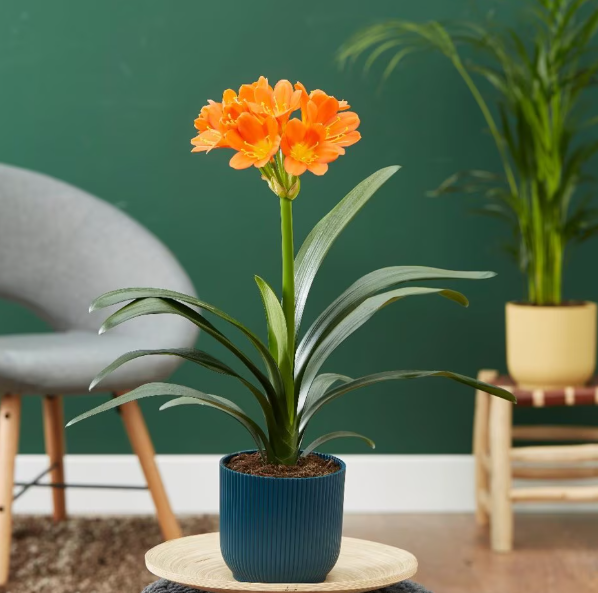
The primary reason Clivia Miniata is toxic lies in its chemical structure, which produces alkaloids harmful to feline metabolism. Cats lack certain liver enzymes that help detoxify plant chemicals, making them more sensitive than dogs or humans.
When cats chew on or ingest Clivia leaves, the toxins can irritate their stomach lining and affect the central nervous system. This leads to a cascade of symptoms like vomiting and lethargy. While Clivia is not typically fatal, prolonged exposure or repeated ingestion can lead to serious dehydration or neurological issues. For multi-pet households, this makes it essential to keep Clivia plants completely out of reach.
Symptoms of Clivia Poisoning in Cats
Cats affected by Clivia Miniata poisoning often display symptoms within a few hours. Watch for these warning signs:
- Excessive drooling
- Vomiting or retching
- Loss of appetite
- Lethargy and weakness
- Tremors or uncoordinated movement
- Diarrhea
If the exposure is severe, your cat might experience a slower heart rate or even collapse. It’s important not to wait for symptoms to worsen—contact a veterinarian immediately. Even mild signs indicate toxin ingestion that requires medical care to prevent complications.
How Much Clivia Is Dangerous for Cats?
Even a small bite of Clivia Miniata can cause digestive upset in cats. The level of toxicity depends on your cat’s size, age, and overall health. Kittens and smaller cats are especially vulnerable.
Ingesting large amounts, particularly of the bulb, increases the risk of severe poisoning. Since cats often chew out of curiosity rather than hunger, even one or two nibbles can be enough to trigger symptoms. Therefore, no amount of Clivia Miniata is considered safe for cats. It’s best to keep this plant in areas your pet cannot access or avoid it altogether.
Immediate Steps to Take If Your Cat Eats Clivia Miniata
If you suspect your cat has eaten part of a Clivia Miniata plant:
- Remove any remaining plant material from your cat’s mouth.
- Rinse their mouth gently with water to reduce toxin absorption.
- Do not induce vomiting unless a vet instructs you to.
- Contact your veterinarian immediately, even if your cat seems fine.
- Bring a sample of the plant to the vet for identification.
Quick action can make all the difference. Early treatment typically leads to a full recovery, but delaying medical attention can worsen symptoms.
Treatment Options from the Vet
Once at the vet, the doctor may perform several procedures to minimize toxin absorption. These include:
- Activated charcoal to bind and remove toxins
- IV fluids to prevent dehydration
- Antiemetic medication to control vomiting
- Observation and monitoring for neurological or cardiac symptoms
With prompt care, most cats recover within 24 to 48 hours. However, your vet may recommend follow-up visits to ensure there are no lingering effects, especially in older or more sensitive cats.
How to Prevent Your Cat from Eating Toxic Plants
Prevention is always better than treatment. Here are a few smart tips:
- Keep plants out of reach — use hanging baskets or shelves.
- Provide cat-safe plants like catnip or wheatgrass for them to chew on.
- Train your cat with deterrents such as citrus scents or pet-safe sprays.
- Supervise new plants before leaving them unattended indoors.
Creating a cat-friendly home involves choosing plants thoughtfully and ensuring your furry friend stays curious but safe.
Safe Alternatives to Clivia Miniata for Cat Owner
If you adore colorful indoor plants but want to keep your cat safe, try these alternatives:
- Spider Plant (Chlorophytum comosum) – Non-toxic and air-purifying.
- Areca Palm (Dypsis lutescens) – Beautiful and safe for pets.
- Boston Fern (Nephrolepis exaltata) – Great texture and cat-friendly.
- African Violet (Saintpaulia) – Lovely blooms without the danger
Tips for Indoor Gardeners with Pets
When decorating with plants, always check toxicity lists from trusted sources like the ASPCA. Use plant stands, shelves, or glass terrariums to keep curious cats away. You can also create designated “cat zones” with safe plants that satisfy their curiosity without harming them. Regularly inspecting your plants for chew marks can help you catch issues early. With a bit of planning, you can enjoy your greenery and your feline companion in harmony.
Understanding Cat Curiosity and Plant Attraction
Cats are naturally drawn to movement and texture. The swaying leaves and fresh scent of houseplants mimic their hunting instincts. Sometimes, they chew plants out of boredom or to aid digestion. Understanding this behavior helps you redirect their interest to safe options like cat grass. Adding toys, scratching posts, or elevated perches can also distract your cat from harmful greenery like Clivia Miniata.
What Other Common Houseplants Are Toxic to Cats?
If you’re worried about plant toxicity, here are some other common houseplants that can be harmful to cats:
- Lilies (Lilium spp.) – Extremely toxic and potentially fatal.
- Dieffenbachia (Dumb Cane) – Causes mouth irritation and swelling.
- Pothos (Devil’s Ivy) – Leads to drooling and difficulty swallowing.
- Philodendron – Causes vomiting and oral irritation.
- Peace Lily – Mildly toxic but still risky for sensitive cats.
Always cross-check plant names before purchasing to avoid accidental exposure.
Balancing Beauty and Pet Safety
While Clivia Miniata is undeniably beautiful, it poses real risks for cats. The best approach is to admire this plant from afar or keep it in cat-free spaces like offices or patios. With so many safe and gorgeous alternatives available, there’s no need to compromise your cat’s well-being for aesthetics. Always research before bringing new plants home — a few minutes of caution can prevent hours of worry later.
Conclusion
So, is Clivia Miniata poisonous to cats? Yes, it absolutely is. Even a small nibble can lead to vomiting, drooling, and other concerning symptoms. If your cat ever chews on Clivia, act fast and call your vet. Prevention, awareness, and choosing safe alternatives can help you maintain both a thriving plant collection and a healthy, happy cat.
FAQs
1. Can cats die from eating Clivia Miniata?
Death is rare but possible if large amounts are eaten and left untreated. Prompt vet care usually ensures recovery.
2. What part of the Clivia plant is most toxic?
The bulb and leaves contain the highest concentration of toxins.
3. Can dogs also get poisoned by Clivia Miniata?
Yes, dogs are also sensitive to Clivia’s alkaloids, though cats are more vulnerable.
4. How can I tell if my cat ate a toxic plant?
Look for vomiting, drooling, or sudden lethargy. If you see these symptoms, contact a vet immediately.
5. What are the safest indoor plants for cat owners?
Spider Plants, Areca Palms, and Boston Ferns are excellent non-toxic options