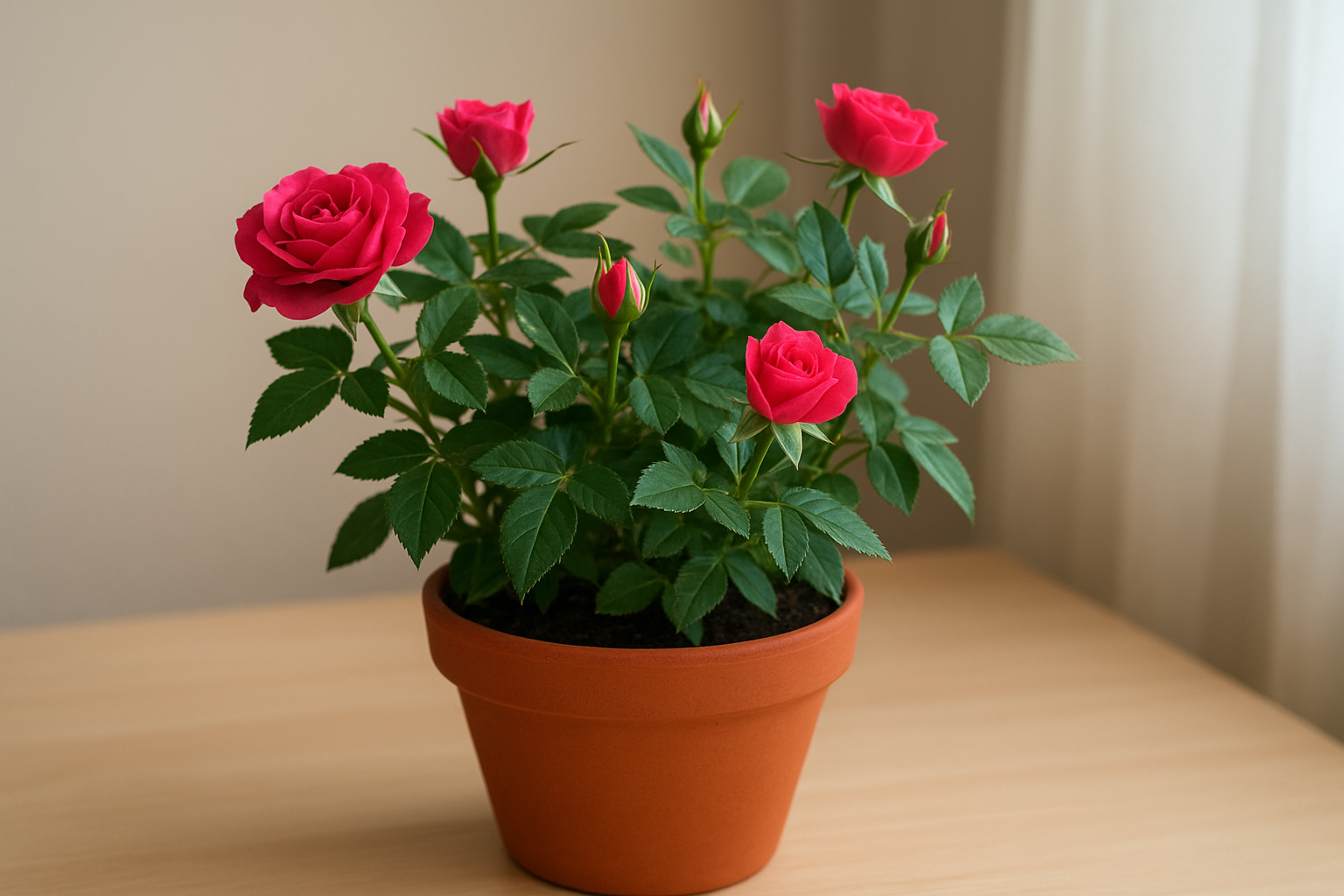
Miniature roses may be small, but their beauty is undeniable. Caring for them indoors requires attention to their specific needs, from lighting to watering. Indoor miniature roses can brighten any space, but they thrive only when given the right environment. These delicate plants need consistent care, mimicking outdoor conditions as closely as possible. Indoor miniature roses demand sunlight, fresh airflow, and proper watering patterns. Learning how to nurture them ensures they remain healthy, vibrant, and blooming throughout the year. In this article, you will learn simple but effective steps to grow beautiful miniature roses indoors with confidence.
About Miniture roses
Miniature roses are compact, charming versions of traditional rose plants, bred specifically for their small size and abundant blooms. Despite their tiny appearance, they offer the same beauty, fragrance, and elegance as larger roses. These plants typically grow between 6 to 18 inches tall, making them perfect for indoor décor, windowsills, balconies, and small gardens. Miniature roses thrive in bright light, well-draining soil, and consistent moisture. With proper care, they produce continuous blooms throughout the year. Their vibrant colors, delicate petals, and manageable size make them a favorite choice for both beginner and experienced gardeners who want elegance in a small package.
Choosing the Right Miniature Rose Variety
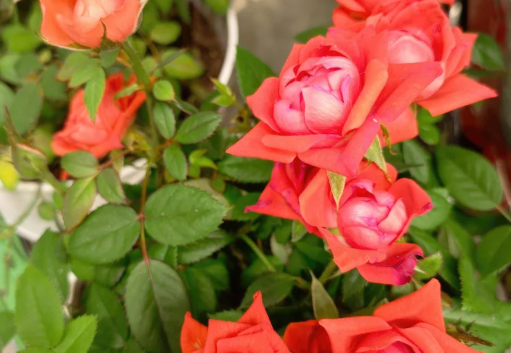
Choosing the best variety determines how easily your miniature rose will adapt to indoor conditions. Some varieties are more tolerant of low light and indoor humidity levels. Popular options include baby boomer roses, patio roses, and micro-mini roses. When selecting a plant, choose one with bright green leaves, no yellowing, and strong stems. Avoid plants with pests or spotted foliage. Consider fragrance, bloom type, and growth habit to match your home environment. Compact varieties do especially well indoors because they require less space and pruning. Picking the right miniature rose ensures smooth indoor growth and long-term success.
Best Indoor Environment for Miniature Roses
Ideal Temperature Range
Miniature roses thrive best in moderate indoor temperatures. The ideal range is between 18°C to 24°C (65°F to 75°F). Extreme temperatures stress the plant, affecting its blooms and growth. Avoid placing roses near heating vents, radiators, or drafty windows. Sudden temperature changes can shock the plant, causing leaf drop. During the night, slightly cooler temperatures help roses rest and prepare for the next day. Consistent temperature is essential to prevent bud drying and wilting. Maintaining this stable environment ensures healthier leaves and more frequent blooms.
Proper Humidity Levels
Indoor miniature roses need moderate humidity levels to stay hydrated and vigorous. Keep humidity between 40% and 60% to prevent dry leaves and premature wilting. If your home has dry air, especially during winter, use a humidifier or place a water tray near the plant. Grouping plants together also increases moisture in the surrounding air. Avoid placing the plant directly under AC vents, as this can dry out the soil quickly. Maintaining the right humidity helps roses absorb nutrients more effectively and improves overall plant health.
Light Requirements for Indoor Miniature Roses
Natural Light
Miniature roses need bright, direct sunlight for at least 4–6 hours daily. Place them near a south or west-facing window for maximum sun exposure. Clean the window glass regularly to ensure maximum light penetration. If the plant begins stretching or leaning, it may indicate insufficient light. Rotating the pot helps the rose grow evenly. Natural light keeps the plant compact, healthy, and blooming regularly. Without adequate sunlight, miniature roses may stop producing flowers and develop pale leaves.
Artificial Grow Lights
If natural light is insufficient, artificial grow lights are a great solution. LED grow lights mimic natural sunlight, supporting strong plant growth. Keep the lights 6–12 inches above the plant and run them for 12–14 hours daily. Avoid placing grow lights too close, as the heat may damage the leaves. Full-spectrum lights work best because they support photosynthesis and flower production. Grow lights help maintain healthy blooming during darker seasons or in low-light apartments.
Watering Miniature Roses Indoors
How Often to Water
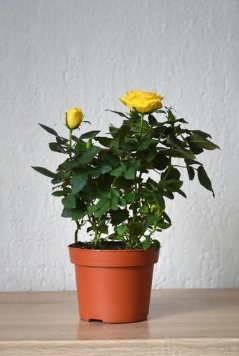
Watering is crucial for healthy roses. Miniature roses prefer evenly moist soil—never too dry or soggy. Typically, watering every 2–3 days is ideal, but it depends on temperature and humidity. Check the top inch of soil; if it feels dry, it’s time to water. Use room-temperature water and pour slowly until it drains through the pot. Consistent watering encourages strong root development and prevents stress.
Avoiding Overwatering
Overwatering is one of the biggest mistakes when caring for indoor miniature roses. Waterlogged soil causes root rot, yellow leaves, and fungal growth. Always ensure the pot has drainage holes. Empty the saucer after watering to prevent standing water. If you notice soft stems or a foul smell from the soil, reduce watering immediately. Choosing a breathable pot like terracotta also helps prevent excessive moisture buildup.
Soil Requirements and Repotting Tips
Best Soil Mix
Miniature roses need a nutrient-rich, well-draining soil mix. A blend of potting soil, perlite, and compost works best. Avoid heavy garden soil because it retains too much moisture. Adding peat moss helps maintain proper aeration. Soil pH should ideally be between 6.0 and 6.5, slightly acidic, to support nutrient absorption. Healthy soil ensures vibrant blooms and robust plant growth.
When and How to Repot
Repot your miniature rose every 12–18 months or when roots start circling the pot. Choose a container just one size larger to prevent excessive soil moisture. Gently loosen the root ball before placing it in new soil. Water thoroughly after repotting to settle the soil. Repotting improves airflow around roots and rejuvenates the plant with fresh nutrients.
Fertilizing Indoor Miniature Roses
Feeding your miniature roses ensures continuous blooming and strong growth. Use a balanced liquid fertilizer every 2–3 weeks during spring and summer. Reduce feeding during winter when growth naturally slows. Organic fertilizers like fish emulsion or compost tea are also great options. Overfeeding can burn roots, so always follow recommended dosages. Fertilizer provides essential nutrients like nitrogen, phosphorus, and potassium, helping the plant maintain lush foliage and big blooms.
Pruning and Deadheading
Pruning helps shape the plant and promotes better airflow. Remove dead, damaged, or weak stems regularly. Using clean, sharp scissors prevents infection. Deadheading, or removing spent blooms, encourages new flowers to grow. Snip just above a leaf node to stimulate branching. Pruning also prevents disease buildup and keeps the plant looking tidy. Regular maintenance ensures vigorous growth and a fuller appearance.
Pest and Disease Prevention
Common pests affecting miniature roses include spider mites, aphids, and whiteflies. Regularly inspect leaves, especially the undersides. If pests appear, spray with insecticidal soap or neem oil. Keep foliage dry to prevent fungal diseases like powdery mildew and black spot. Adequate airflow reduces disease risk. Always remove infected leaves promptly. Prevention is easier than treatment, so staying alert keeps your plant healthy.
Encouraging Continuous Blooming
To encourage consistent flowering, give miniature roses plenty of sunlight, proper feeding, and regular pruning. Deadheading spent blooms signals the plant to produce more flowers. Maintain even watering and avoid temperature stress. Continuous blooming requires energy, so keep the plant well-nourished. Rotating the pot ensures all sides receive light, improving growth and bloom production. With the right care, miniature roses can bloom almost year-round indoors.
are mini rose plants toxic to cats?
Miniature rose plants are not toxic to cats, making them a safe choice for pet-friendly homes. These true roses from the Rosa genus do not contain harmful chemicals that can poison cats. However, there are still a few important points to consider to keep your pet fully safe.
- Non-Toxic: Miniature roses are safe if your cat chews on the leaves or petals. They won’t cause poisoning.
- Thorn Risk: Although not poisonous, the thorns can scratch your cat’s mouth, paws, or face. Consider trimming or choosing thornless varieties indoors.
- Mild Upset Possible: Eating large amounts of any plant may cause mild vomiting or diarrhea simply due to stomach irritation.
- Watch Chemicals: Rose fertilizers, pesticides, and treated soil can be harmful if ingested. Always use pet-safe products.
- Avoid Artificial Roses: Plastic plants can pose choking hazards or cause intestinal blockage if chewed.
- Safe Indoor Plant: With basic precautions, miniature roses are perfectly safe and beautiful additions to homes with cats.
Seasonal Care Tips
Seasonal changes affect indoor miniature roses, so adjust care accordingly. During winter, reduce watering, increase humidity, and move the plant closer to light sources. In summer, protect it from extreme heat and water more frequently. Spring and autumn are ideal for repotting and fertilizing. Adapting your care routine keeps the plant stable and flourishing regardless of the season.
Common Mistakes to Avoid
Avoid exposing miniature roses to low light, which causes weak growth. Overwatering is another frequent mistake leading to root rot. Neglecting pruning can result in poor airflow and disease buildup. Using heavy soil limits drainage and suffocates roots. Ignoring pests allows them to multiply quickly. Avoiding these mistakes ensures healthier and longer-lasting plants.
Benefits of Growing Miniature Roses Indoors
Indoor miniature roses add beauty, fragrance, and elegance to any space. They purify air, boost mood, and encourage a calming environment. These compact plants fit perfectly on desks, windowsills, and small shelves. Caring for roses is also a rewarding hobby, offering satisfaction when new blooms appear. Their versatility makes them a delightful addition to your home décor.
Conclusion
Indoor miniature roses may be small, but their care requires thoughtful attention. With the right balance of light, watering, soil, and temperature, these charming plants can thrive beautifully. By avoiding common mistakes and providing consistent care, you can enjoy healthy, blooming roses year-round.
FAQs
1. How often should I water indoor miniature roses?
Water every 2–3 days or when the top inch of soil feels dry.
2. Why are my miniature rose leaves turning yellow?
This may be due to overwatering, poor drainage, or lack of light.
3. Can miniature roses grow without direct sunlight?
They can, but they need strong indirect light or grow lights to bloom.
4. When should I repot my miniature rose?
Every 12–18 months or when roots outgrow the pot.
5. Do indoor miniature roses attract pests?
Yes, common pests include aphids and spider mites, but early treatment controls them.