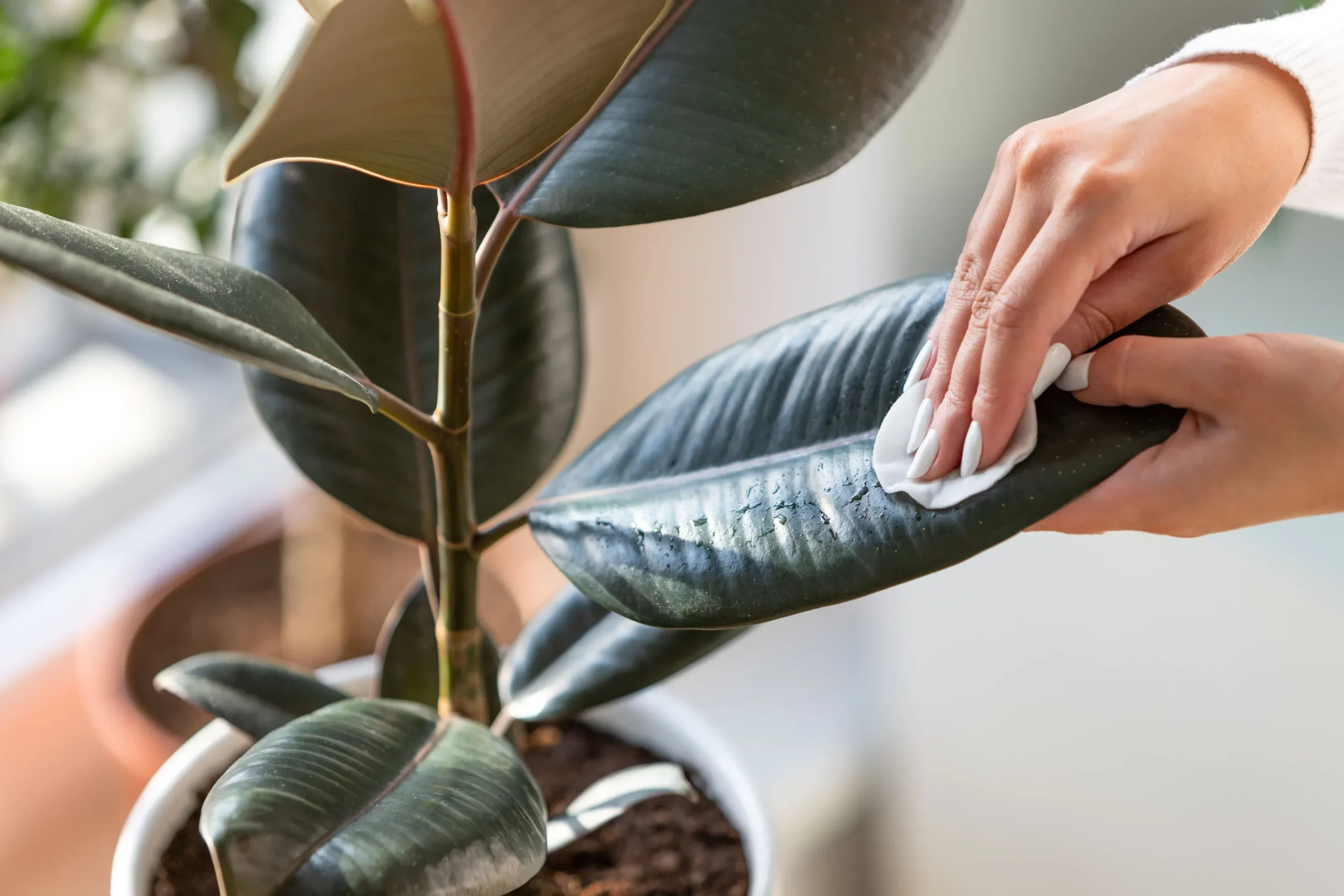
Proper leaf care is one of the easiest yet most effective ways to ensure your plants thrive. Dust, dirt, and other debris can block sunlight and hinder the plant’s ability to photosynthesize, leading to unhealthy growth. Fortunately, cleaning plant leaves is a simple task that can drastically improve the overall health and appearance of your plants. In this guide, we will walk you through the best methods to clean plant leaves for better growth.
Why Clean Your Plant Leaves?
Before diving into the steps, let’s understand why cleaning plant leaves is important:
- Improved Photosynthesis: Dust and grime on the leaves act as a barrier, preventing sunlight from reaching the leaf surface and reducing the plant’s ability to produce energy.
- Pest Prevention: Leaves full of dirt or sticky substances can attract pests such as aphids or mealybugs.
- Better Air Circulation: Clean leaves allow air to flow more freely, reducing the risk of mold and mildew.
- Healthier Appearance: Shiny, clean leaves not only look better but also indicate that your plant is well-cared for.
Steps to Clean Your Plant Leaves:
1. Assess Your Plant’s Needs
Not all plants require the same care, so it’s important to evaluate the type of plant before starting the cleaning process. Some plants have delicate leaves, while others may tolerate more rigorous cleaning.
2. Dusting the Leaves
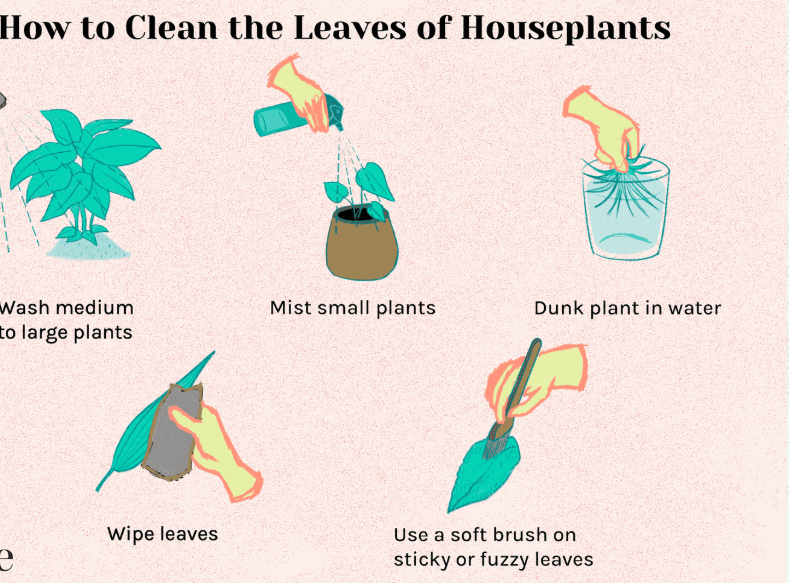
For a light clean-up, use a soft cloth or a gentle paintbrush to remove any dust. Hold the plant steady and gently brush both the upper and lower surfaces of the leaves to dislodge dust particles.
3. Wiping the Leaves
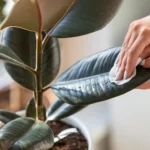
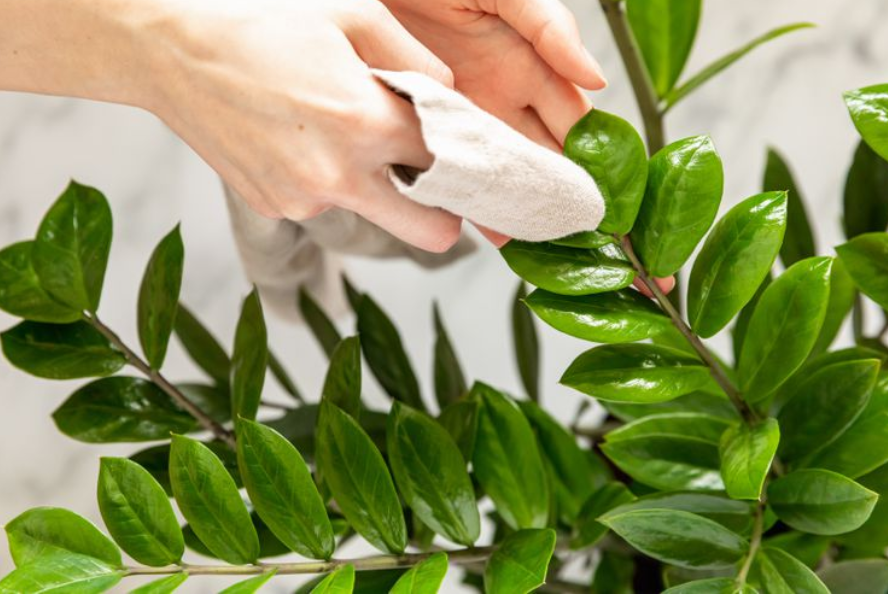
For a more thorough cleaning, use a damp cloth. Moisten the cloth with water, ensuring it’s not dripping wet, and gently wipe down the leaves. Make sure to clean both sides, as dust can accumulate on the underside as well. Avoid using any harsh chemicals or cleaners that could damage the leaves.
4. Washing the Leaves
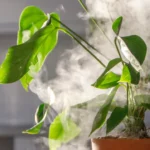
For large plants or those with more stubborn dirt, consider washing the leaves with water. You can use a gentle spray or even take the plant to the shower (if it’s small enough). Let the water run over the leaves to wash away any dust and grime. Avoid using hot water as it can shock the plant.
5. Using Natural Solutions for Sticky Residue
Some plants can develop a sticky residue on their leaves due to pests or sap. To clean these leaves, mix a few drops of dish soap with water and use a cloth to wipe the sticky areas. Alternatively, you can mix equal parts vinegar and water for a natural cleaner.
6. Drying the Leaves
After cleaning, allow the plant to dry naturally in a shaded area. Avoid placing it directly in the sun immediately after cleaning as the leaves can become scorched.
7. Regular Maintenance
To keep your plants looking their best, make it a habit to clean their leaves regularly—especially in environments with dust or pet hair. A quick wipe every few weeks can prevent build-up and keep your plants healthy.
How often should I clean my plant leaves?
It depends on the environment and the type of plant. For most indoor plants, cleaning every 2-4 weeks is sufficient. Plants in dusty areas may need more frequent cleaning, while some plants might need only occasional dusting.
Is it safe to clean plant leaves with water in the shower?
Yes, but only for smaller plants that can be easily moved. Use lukewarm water and avoid hot or cold extremes that could shock the plant. After washing, allow the plant to dry naturally in a shaded spot.
Tips for Specific Plant Types:
- Cacti and Succulents: These plants have waxy surfaces, so avoid excessive moisture. Use a dry cloth to gently wipe the dust off the leaves.
- Tropical Plants: Tropical plants often have large leaves that can accumulate dirt. A gentle rinse in the shower works well for these types of plants.
- Foliage Plants: Foliage-heavy plants like pothos and ferns tend to attract dust more easily. Regular cleaning with a damp cloth will keep them looking lush and green.
Conclusion:
A clean leaf is a happy leaf! By keeping your plants’ leaves clean, you’ll ensure better photosynthesis, healthier growth, and a more vibrant garden. Regular cleaning is simple and effective—make it part of your plant care routine for plants that flourish
FAQ
Can I use a leaf shine product on my plants?
While leaf shine products can make your plant leaves look glossy, they often contain chemicals that can clog the pores of the leaves, hindering the plant’s natural respiration. It’s best to avoid them and use natural cleaning methods instead.
How do I clean plants with fuzzy or hairy leaves?
For plants like African violets or begonias with fuzzy leaves, avoid wiping them directly. Instead, use a soft brush or a gentle blower (like a hairdryer on cool) to remove dust without damaging the texture of the leaves.
Should I clean plants during the growing season or dormant season?
It’s fine to clean your plants during both growing and dormant seasons. However, avoid heavy cleaning during the plant’s dormant period when it’s not actively growing, as it can stress the plant.
What should I do if I find pests on my plant leaves while cleaning?
If you spot pests like aphids or spider mites during cleaning, wipe the affected areas with soapy water or use an insecticidal soap. You can also rinse the plant with water to remove them, and make sure to keep the plant isolated from others until the problem is resolved.