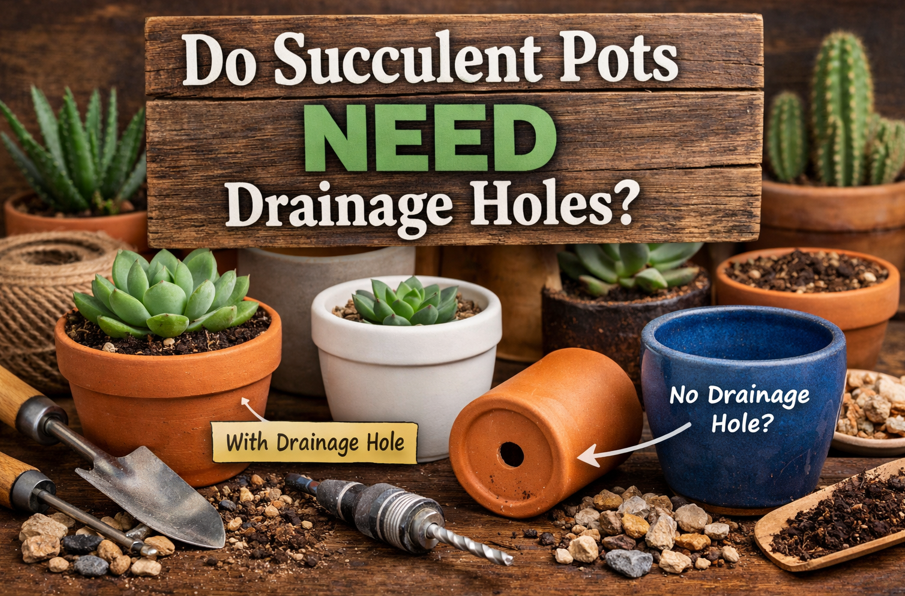
Succulents are like camels of the plant world—they store water, thrive in tough conditions, and hate soggy environments. Yet, one question keeps popping up among plant lovers at My Plants Valley: do succulent pots need drainage holes? If you’ve ever lost a succulent despite “loving it too much,” poor drainage was likely the culprit. In this detailed guide, we’ll break everything down in plain English. No confusing jargon, no myths—just practical advice you can actually use. Whether you’re a beginner or a seasoned plant parent, this article will help you make smarter potting choices and keep your succulents thriving for years.
Understanding Succulents and Their Natural Habitat
Succulents originate from dry, arid regions where water is scarce and soil drains fast. Think deserts, rocky slopes, and sandy plains. These plants evolved to survive long droughts by storing water in their leaves, stems, or roots. Because of this adaptation, they prefer soil that dries quickly and roots that never sit in moisture for long periods. In nature, excess water simply runs away—there’s no pot trapping it underneath.
When we bring succulents indoors, we unintentionally change their environment. Decorative pots, rich soil, and frequent watering can quickly turn deadly. Without proper drainage, water lingers around the roots, creating conditions succulents are not built to handle. Understanding where succulents come from helps explain why drainage holes aren’t just helpful—they’re often essential for survival.
What Are Drainage Holes and Why Do They Matter?
Drainage holes are small openings at the bottom of a pot that allow excess water to escape. Simple, right? Yet their role is massive. These holes prevent water from pooling at the bottom of the pot, which is one of the main causes of root rot. When water flows out freely, oxygen can circulate through the soil, keeping roots healthy and active.
Without drainage holes, water has nowhere to go. Even if the topsoil looks dry, the bottom can remain soaked for days or weeks. This creates a silent danger zone where roots slowly rot out of sight. Drainage holes also help flush out excess salts and minerals that build up from fertilizers and tap water. In short, they’re like an insurance policy for your succulent’s roots.
Do Succulent Pots Need Drainage Holes?
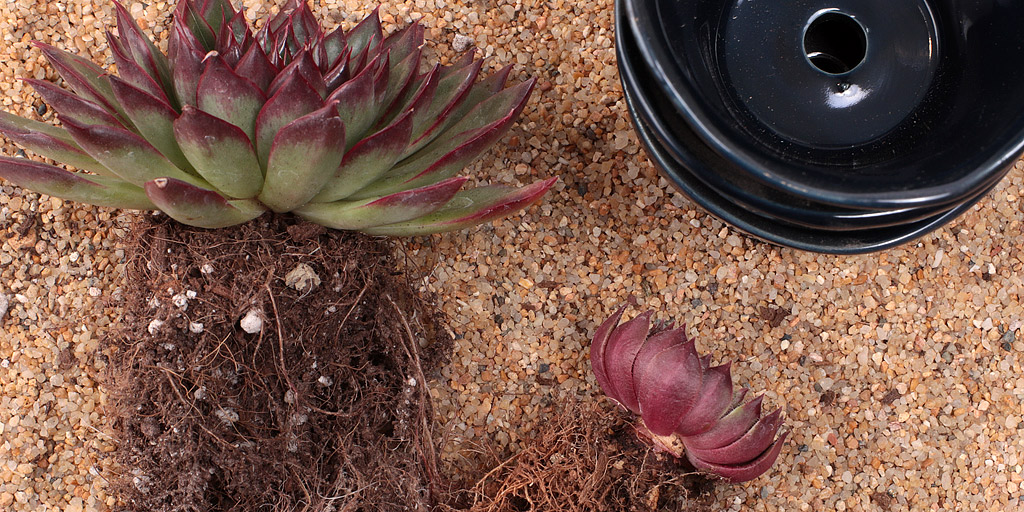
Yes—succulent pots absolutely need drainage holes in most situations. This isn’t just a gardening preference; it’s a survival requirement for the majority of succulents. Drainage holes ensure that excess water escapes quickly, mimicking the plant’s natural environment. Without them, you’re walking a tightrope where one extra splash of water can cause irreversible damage.
That said, there are rare exceptions. Experienced growers sometimes use pots without drainage holes, but they follow extremely strict watering routines and soil choices. For beginners, skipping drainage holes is like driving without brakes. At My Plants Valley, we always recommend pots with proper drainage, especially if you want stress-free, long-lasting succulents that actually grow instead of slowly declining.
Benefits of Drainage Holes for Succulent Pots
Drainage holes offer multiple benefits beyond just removing extra water. First, they dramatically reduce the risk of root rot, which is the number one killer of succulents. Healthy roots mean better nutrient absorption, stronger growth, and more vibrant colors. Second, drainage improves airflow within the soil. Roots need oxygen just as much as they need water.
Another benefit is watering flexibility. With drainage holes, you can water thoroughly without fear. Excess water drains out, leaving behind just enough moisture. This encourages deeper root growth and stronger plants. Drainage holes also help prevent salt buildup from fertilizers, keeping soil chemistry balanced. Simply put, drainage holes make succulent care easier, safer, and far more forgiving.
Risks of Using Pots Without Drainage Holes
Using a pot without drainage holes is risky business. The biggest danger is water accumulation at the bottom of the pot, which creates a breeding ground for bacteria and fungi. Over time, roots suffocate, turn mushy, and die. By the time you notice yellow leaves or a collapsing plant, the damage is often severe.
Another issue is inconsistent moisture levels. The topsoil may feel dry, tempting you to water again, while the bottom remains soaked. This uneven moisture confuses the plant and stresses its root system. Pots without drainage also make it harder to correct mistakes. Once water is trapped, there’s no easy escape route, making recovery much harder for your succulent.
Can Succulents Survive in Pots Without Drainage Holes?
Technically, yes—succulents can survive in pots without drainage holes, but it’s not ideal. This method requires precision watering, extremely well-draining soil, and constant attention. You must water sparingly, often using a spoon or dropper, and never follow a fixed schedule. Even then, the margin for error is tiny.
For beginners, this setup often leads to overwatering and plant loss. Decorative containers without holes are better used as outer cache pots. Simply place your succulent in a nursery pot with drainage and set it inside the decorative container. That way, you get style without sacrificing plant health—a win-win solution recommended by My Plants Valley.
Best Pot Types for Succulents
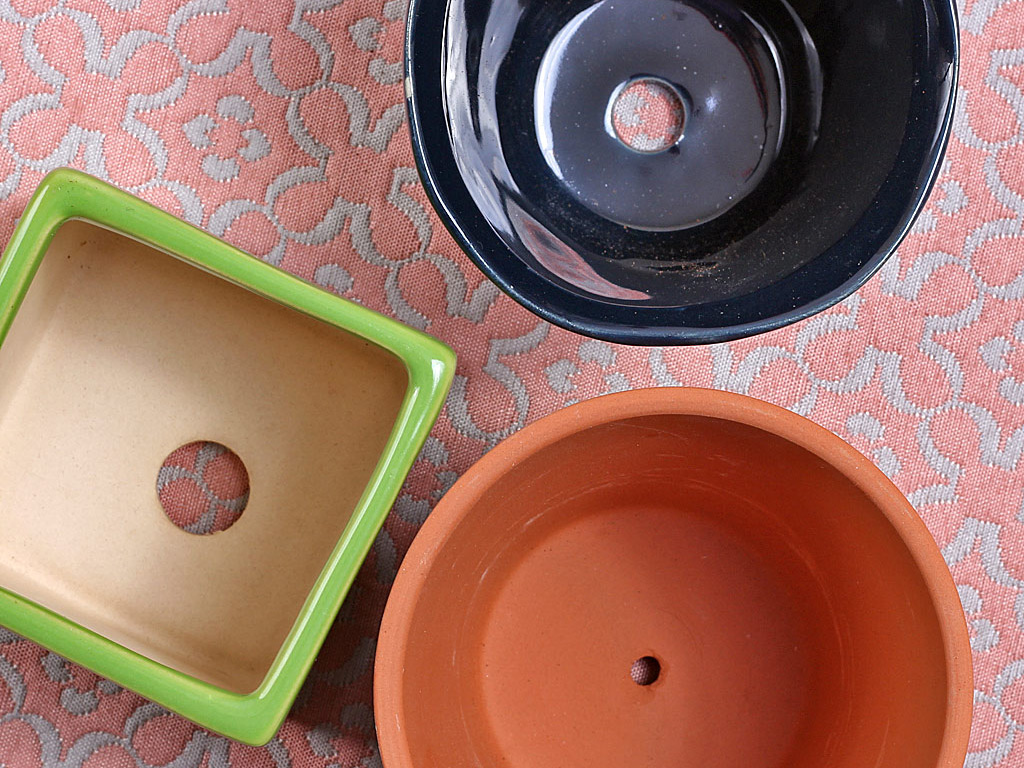
Terracotta pots are the gold standard for succulents. They’re porous, breathable, and allow moisture to evaporate quickly. This makes them very forgiving if you accidentally overwater. Ceramic and plastic pots can also work well, but only if they have proper drainage holes. These materials retain moisture longer, so drainage becomes even more critical.
Glass pots, metal containers, and sealed ceramic bowls are generally poor choices unless used as outer covers. When choosing a pot, always prioritize function over appearance. A healthy succulent in a simple pot looks far better than a dying plant in a fancy container. At My Plants Valley, we believe the right pot is half the battle won.
Choosing the Right Soil for Proper Drainage
Drainage holes work best when paired with the right soil. Regular garden soil or standard potting mix holds too much moisture for succulents. Instead, use a well-draining succulent or cactus mix designed to dry quickly. These mixes usually contain sand, perlite, or pumice to improve airflow.
You can also make your own DIY mix:
- 50% potting soil
- 25% coarse sand
- 25% perlite or pumice
This blend ensures water flows freely and roots stay oxygenated. Even with drainage holes, poor soil can trap moisture and cause problems. Think of soil and drainage holes as a team—both need to work together for healthy succulents.
How Drainage Holes Prevent Root Rot
Root rot occurs when roots sit in water for too long, cutting off oxygen and inviting pathogens. Drainage holes prevent this by allowing excess water to escape immediately after watering. As water drains out, fresh air is pulled into the soil, creating a healthier root environment.
Early signs of root rot include yellowing leaves, mushy stems, and a foul smell from the soil. With proper drainage holes, these issues are far less likely to occur. Healthy roots are firm, white, and full of life. Drainage holes don’t just remove water—they actively protect your succulent’s entire support system.
Indoor Succulents and Drainage Needs
Indoor succulents are especially vulnerable to poor drainage because they don’t benefit from natural elements like wind and heat that help soil dry faster. Without drainage holes, indoor pots can stay wet for dangerously long periods. This is why indoor succulents almost always require pots with holes.
Using saucers is perfectly fine, as long as you empty them after watering. Let the pot drain completely before placing it back. This simple habit prevents water from being reabsorbed. Indoor success with succulents is all about balance, and drainage holes make achieving that balance much easier.
Outdoor Succulents and Drainage Importance
Outdoor succulents face unpredictable weather, including heavy rain. Drainage holes are non-negotiable here. Without them, rainwater can quickly flood the pot, drowning the roots. Even drought-tolerant succulents can’t survive sitting in water.
Climate matters too. In humid or rainy regions, drainage becomes even more critical. Raised pots, gritty soil, and multiple drainage holes are often necessary. Outdoor succulents thrive when excess water has an easy exit route, keeping roots dry and healthy regardless of the weather.
How to Add Drainage Holes to a Pot
If you’ve fallen in love with a pot that doesn’t have drainage holes, don’t worry—you can add them. You’ll need a drill, a masonry or ceramic drill bit, and a steady hand. Mark the spot, drill slowly, and apply gentle pressure to avoid cracking the pot.
Always wear safety goggles and drill over a soft surface. Start with one hole and add more if the pot is large. This small DIY step can save your succulent’s life. Turning a decorative pot into a functional one is often easier than replacing a dead plant.
Drainage Layer Myths (Gravel, Pebbles, Charcoal)
Many people believe adding gravel or pebbles at the bottom of a pot improves drainage. Unfortunately, this is a myth. These layers actually raise the water table, causing moisture to sit closer to the roots. Charcoal doesn’t fix drainage either—it only helps with odor control.
Instead of layering, focus on proper soil and real drainage holes. If a pot doesn’t have holes, no amount of gravel will save your succulent. Good drainage starts at the bottom and works its way up, not the other way around.
Signs Your Succulent Needs Better Drainage
Your plant will often tell you when drainage is poor. Look for yellowing leaves, soft or translucent foliage, and a general droopy appearance. Leaves falling off with a slight touch is another red flag. These symptoms usually mean the roots are stressed or rotting.
If you suspect drainage issues, gently remove the plant and inspect the roots. Healthy roots are firm and white. Brown, black, or mushy roots indicate trouble. Improving drainage early can save your succulent before it’s too late.
Expert Tips from My Plants Valley for Healthy Succulents
At My Plants Valley, we recommend always using pots with drainage holes, especially for beginners. Water only when the soil is completely dry, and never follow a rigid schedule. Seasons, humidity, and light all affect watering needs.
Rotate your pots for even sunlight, use breathable containers, and don’t overcrowd roots. Remember, succulents thrive on a little neglect. Give them space, light, and good drainage, and they’ll reward you with vibrant growth and beautiful forms.
Conclusion
So, do succulent pots need drainage holes? In most cases, yes—absolutely. Drainage holes protect roots, prevent rot, and make succulent care far more forgiving. While it’s possible to grow succulents without them, the risks often outweigh the rewards. If you want healthy, long-living plants, choose pots with proper drainage, pair them with well-draining soil, and water wisely. Your succulents will thank you in their own quiet, leafy way.
FAQs
1. Can I grow succulents in glass containers without drainage holes?
Yes, but it’s risky and requires very careful watering. Not recommended for beginners.
2. How many drainage holes should a succulent pot have?
At least one large hole or several small ones to allow free water flow.
3. Are self-watering pots good for succulents?
Generally no. Succulents prefer dry soil and can rot easily in self-watering systems.
4. What size pot is best for succulents?
Choose a pot just slightly larger than the root ball to prevent excess moisture.
5. Should I water less if my pot has no drainage holes?
Yes, significantly less—but even then, drainage holes are the safer option.