Winter can feel cozy for us, but for indoor plants, it’s often the toughest season of the year. Short days, dry air, and fluctuating temperatures quietly stress your plants, even if they look fine at first glance. Many plant parents panic when leaves turn yellow or drop suddenly, but here’s the good news—most winter plant problems are easy to fix once you understand what’s going on.
At myplantsvalley.com, we see these issues every year, and they usually come down to light, water, temperature, and humidity. Think of winter plant care like switching wardrobes—your plants need different care than they did in summer. Let’s break down the most common indoor plant problems in winter and exactly how to solve them, step by step.
Why Winter Is Challenging for Indoor Plants
Reduced Sunlight and Shorter Days
Winter sunlight is weaker, lower in angle, and available for fewer hours each day. Even plants sitting near windows receive far less light than they did in summer. This lack of light slows photosynthesis, which means plants produce less energy. As a result, growth slows, leaves may pale, and stems can stretch toward any available light. Many people mistake this for a nutrient deficiency, but the real issue is light starvation. Moving plants closer to bright windows or rotating them weekly can help distribute light evenly and prevent uneven growth.
Dry Indoor Air from Heating Systems
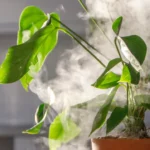
Heaters are great for comfort but terrible for humidity. Most tropical houseplants evolved in moist environments, and winter heating dries the air dramatically. Dry air pulls moisture from leaves faster than roots can replace it, causing brown tips, curling leaves, and general stress. This is one of the biggest winter challenges for indoor plants and often goes unnoticed until visible damage appears.
Yellowing Leaves During Winter
Overwatering vs Underwatering
Yellow leaves in winter usually point to watering issues. Overwatering is the most common culprit because plants use water more slowly in low light. Roots sit in soggy soil, oxygen levels drop, and leaves turn yellow as roots struggle to function. Underwatering, though less common, can also cause yellowing if soil dries out completely. The key is balance—check soil moisture before watering instead of sticking to a summer schedule.
How to Adjust Your Winter Watering Routine
Water only when the top 1–2 inches of soil feel dry. Use room-temperature water and ensure pots have proper drainage. Think of winter watering like sipping tea, not gulping water—slow, careful, and intentional.
Wilting Plants Even with Moist Soil
Root Stress and Cold Shock
Wilting with wet soil often confuses plant owners. In winter, cold soil or sudden temperature changes can shock roots, preventing them from absorbing water properly. This creates wilting even though moisture is present. Placing plants near cold windows or on chilly floors can worsen the problem.
Correct Placement Away from Cold Drafts
Move plants away from drafty doors, windows, and air vents. Elevating pots slightly off cold surfaces helps roots stay warm and functional. Stable temperatures equal healthier plants.
Brown Leaf Tips and Crispy Edges
Low Humidity Problems
Brown tips are a classic winter complaint. Dry air causes moisture loss at leaf edges first, making tips turn brown and crispy. Plants like calatheas, ferns, and palms are especially sensitive.
Simple Ways to Increase Humidity Indoors
Group plants together, use pebble trays, or run a humidifier nearby. Even placing a bowl of water near heat sources can raise humidity slightly. Small changes make a big difference.
Leaf Drop in Indoor Plants
Sudden Temperature Changes
Plants hate surprises. Rapid changes in temperature—like turning heaters on at night or opening windows during cold mornings—cause leaf drop as a stress response.
Stabilizing the Plant Environment
Keep plants in rooms with consistent temperatures. Avoid frequent relocations and maintain a steady routine. Stability helps plants hold onto their leaves through winter.
Slow or No Growth in Winter
Natural Dormancy Explained
Many indoor plants naturally slow down in winter. This doesn’t mean something is wrong—it’s their version of rest mode. Expect little to no new growth during this period.
When to Fertilize and When Not To
Avoid fertilizing unless the plant is actively growing. Feeding dormant plants can cause salt buildup and root damage.
Pest Problems That Appear in Winter
Common Winter Pests
Spider mites, mealybugs, and fungus gnats thrive in dry, warm indoor environments. Winter stress weakens plants, making them easier targets.
Natural and Safe Pest Control Methods
Wipe leaves regularly, isolate infected plants, and use neem oil or insecticidal soap. Early action prevents infestations from spreading.
Mold and Fungus in Indoor Soil
Causes of Fungal Growth
Excess moisture, poor airflow, and low light create perfect conditions for mold. White fuzzy growth on soil is common in winter.
Preventing Mold During Cold Months
Improve ventilation, reduce watering, and remove moldy topsoil. Healthy soil dries slightly between waterings.
Leggy and Weak Plant Growth
Insufficient Light
Plants stretch toward light sources in winter, becoming tall and weak. This leggy growth is a clear sign of light deficiency.
Using Grow Lights Effectively
LED grow lights provide consistent light and prevent stretching. Use them for 10–12 hours daily for best results.
Cold Damage and Frost Injury
Symptoms of Cold Stress
Blackened leaves, mushy stems, and sudden leaf collapse indicate cold damage.
Emergency Care for Cold-Damaged Plants
Move plants to warmer areas immediately and trim damaged parts. Recovery takes time but is often possible.
Salt Buildup in Pots
Fertilizer Residue Issues
Mineral salts accumulate faster in winter due to reduced watering and fertilizer use.
How to Flush Soil Properly
Flush pots with clean water every few months to remove excess salts and refresh the soil.
Choosing the Right Indoor Plants for Winter
Snake plants, pothos, ZZ plants, and peace lilies handle winter conditions better than most tropical plants.
Selecting the right indoor plants for winter can make the difference between struggling greenery and a calm, low-maintenance indoor garden. Not all plants handle cold seasons the same way. Winter-friendly houseplants are typically hardy, adaptable, and tolerant of low light, dry air, and less frequent watering. If you choose wisely, your plants will stay healthy with minimal effort—even when sunlight is limited and heaters are running all day.
Here are the best points to consider when choosing indoor plants for winter, along with reliable plant options:
- Low-Light Tolerance
Winter days are shorter and sunlight is weaker. Choose plants that thrive in indirect or low light, such as snake plants, pothos, ZZ plants, and peace lilies. These plants continue to look good even when placed away from windows. - Ability to Handle Dry Air
Indoor heating reduces humidity. Plants with thick, waxy, or leathery leaves—like rubber plants and succulents—lose less moisture and cope better with dry conditions. - Slow Growth Habit
Plants that naturally grow slowly require less water and care in winter. ZZ plants and cast iron plants are excellent examples, as they stay stable during colder months. - Strong Root Systems
Hardy roots adapt better to cooler soil temperatures. Plants like spider plants and Chinese evergreens are less sensitive to temperature changes. - Low Water Needs
Overwatering is a common winter mistake. Choose plants that prefer drier soil, such as snake plants, jade plants, and cacti, to avoid root rot. - Resistance to Temperature Fluctuations
Winter-friendly plants tolerate occasional drafts and mild temperature changes without dropping leaves or wilting.
Winter Indoor Plant Care Checklist
Winter indoor plant care is all about consistency, observation, and restraint. Plants grow more slowly during colder months, which means their needs change significantly compared to spring or summer. Following a simple checklist helps you avoid common mistakes like overwatering, poor light exposure, and humidity stress. Use this winter indoor plant care checklist to keep your houseplants healthy, balanced, and ready for spring.
Weekly Care Checklist
- Check soil moisture before watering
Always test the soil with your finger. Water only when the top 1–2 inches feel dry to prevent root rot. - Inspect leaves for pests and damage
Look for spider mites, yellow spots, or sticky residue. Early detection prevents infestations. - Rotate plants slightly
Turn pots once a week so all sides receive equal light and plants grow evenly. - Remove dead or yellow leaves
Pruning helps plants conserve energy and reduces the risk of disease. - Wipe dust from leaves
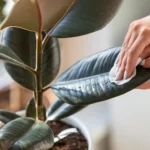
Clean leaves absorb more light, which is crucial during short winter days.
Monthly Care Checklist
- Monitor indoor humidity levels
Aim for 40–60% humidity using a humidifier, pebble trays, or plant grouping. - Adjust plant placement
Move plants closer to light sources but away from cold drafts and heating vents. - Flush soil if needed
Rinse pots with clean water to prevent salt buildup from previous fertilizing. - Pause fertilizing
Most plants don’t need feeding during winter dormancy.
Seasonal Reminders
- Avoid repotting unless absolutely necessary
- Use room-temperature water only
- Keep temperatures consistent, ideally between 18–24°C (65–75°F)
A little attention goes a long way in winter. Stick to this checklist, and your indoor plants will stay strong, stress-free, and ready to thrive when warmer days return.
Mistakes Most Plant Owners Make in Winter
One of the biggest mistakes plant owners make in winter is overwatering. Because growth slows down in low light, plants use far less water, and soggy soil can quickly lead to root rot. Another common error is keeping the same care routine as summer. Winter requires adjustments, especially with watering, fertilizing, and light exposure. Many people also place plants too close to heaters or cold windows, exposing them to dry air or sudden temperature drops that cause leaf drop and stress. Ignoring humidity is another major issue, as indoor heating dries the air and leads to brown leaf tips and curling leaves. Some plant owners panic over slow growth and add fertilizer, which can harm dormant roots. Lastly, frequent relocation of plants disrupts their ability to adapt to winter conditions. Consistency, patience, and reduced care are key to keeping indoor plants healthy throughout the colder months.
Conclusion
Winter doesn’t have to be a nightmare for your indoor plants. Most problems come from simple environmental changes, not neglect. By adjusting watering habits, improving humidity, stabilizing temperatures, and understanding dormancy, you can keep your plants healthy and stress-free. Think of winter care as maintenance mode—gentle, observant, and patient. With the right approach and guidance from myplantsvalley.com, your indoor garden can survive winter and thrive again when spring returns.
FAQs
1. Should I water indoor plants less in winter?
Yes, most plants need less water due to slower growth and lower light.
2. Is yellowing leaves always a bad sign in winter?
Not always. Mild yellowing can be normal, but excessive yellowing signals watering or light issues.
3. Do indoor plants need fertilizer in winter?
Usually no, unless they are actively growing.
4. How can I protect plants from cold windows?
Move them slightly away or insulate windows with curtains.
5. Are grow lights necessary for winter plant care?
They’re helpful, especially for light-hungry plants in low-light homes.