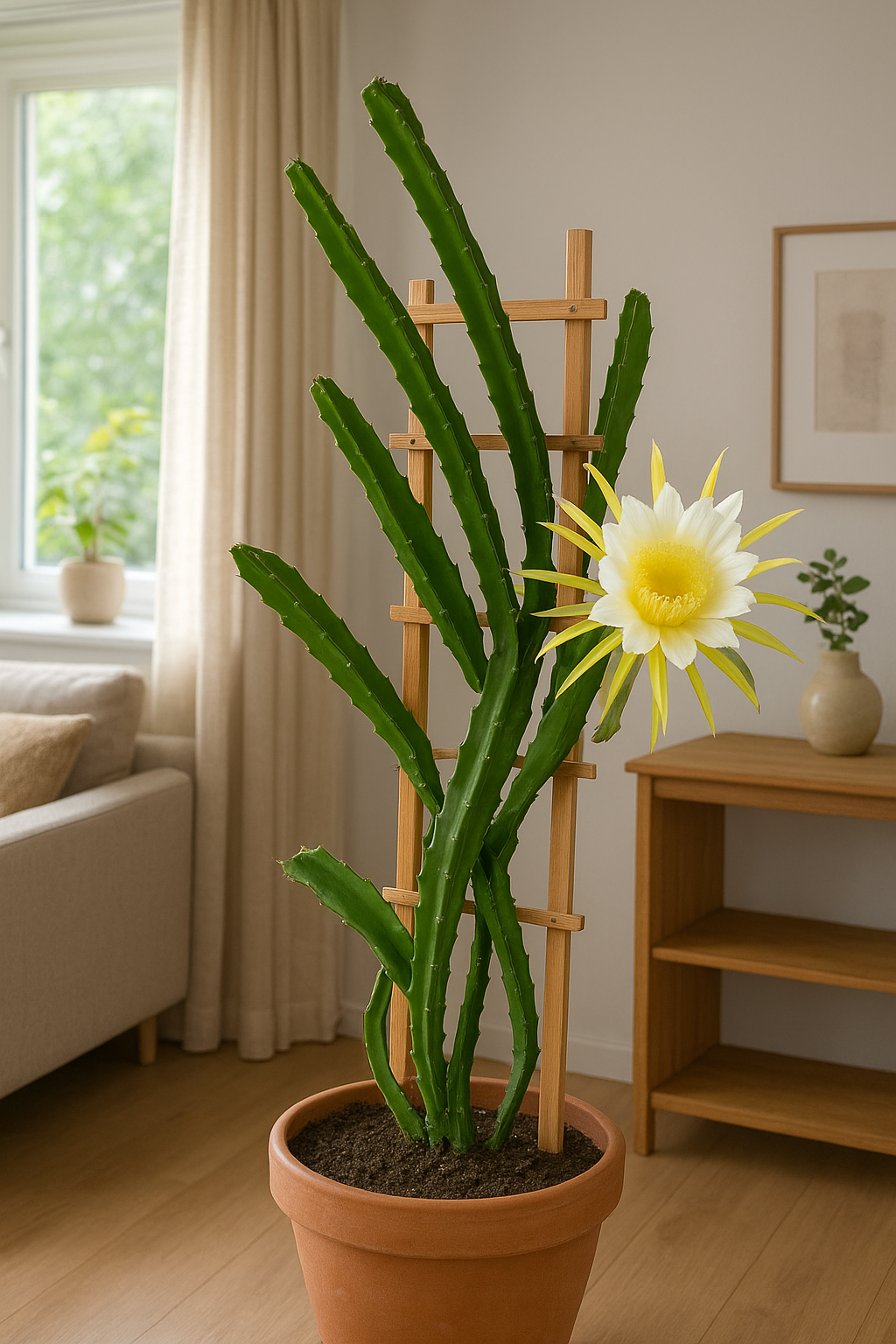
Growing dragon fruit indoors is not only possible but can actually be a rewarding experience if you know the right techniques. This tropical cactus plant, also known as pitaya, thrives in warm climates, making indoor growing a great option for people who want to control temperature, water, and light. If you’ve ever dreamed of harvesting a fresh, homegrown dragon fruit straight from your living room, this guide breaks down everything you need to do—step by step. From selecting the right variety to providing proper support and creating the perfect indoor environment, you’ll learn how to turn your space into the ideal home for this exotic beauty. Let’s explore how you can successfully grow a dragon fruit plant indoors and enjoy its vibrant flowers and delicious fruit right at home.
Understanding the Dragon Fruit Plant
Growing dragon fruit indoors starts with understanding what this plant truly needs. Dragon fruit comes from a climbing cactus plant that naturally grows in warm, tropical regions. Indoors, you must replicate parts of this environment to help the plant thrive. Dragon fruit plants grow fast and need support because they naturally climb trees or structures in the wild. Their cactus nature means they love sunlight, well-drained soil, and minimal water—but consistency matters. Unlike many indoor plants, dragon fruit produces large, beautiful flowers that open only at night. These flowers eventually become the fruit we love. Knowing this cycle helps you plan better and avoid common mistakes. Understanding these basics will give you a strong foundation before you move deeper into indoor care and maintenance.
What Makes Dragon Fruit Unique?
Dragon fruit is unlike any common indoor plant. First, its appearance is exotic—the bright pink or yellow skin and speckled interior catch everyone’s eye. The plant itself is a climbing cactus with thick, three-sided stems. These stems store water, meaning you don’t have to water it constantly. Another unique feature is its flowering behavior. Dragon fruit blooms only at night, and the flowers are extremely large and fragrant. This gives your indoor garden a magical feel. But the biggest highlight is its ability to bear fruit indoors with the right environment. It’s a plant that not only decorates your home but also feeds you. Because of its uniqueness, people love adding dragon fruit to their indoor plant collection.
Why People Love Growing It Indoors
People grow dragon fruit indoors for many reasons. Some love its decorative, tropical appearance. Others want to enjoy pesticide-free, organic fruit without relying on outdoor weather. Indoor growing also allows year-round control—you don’t have to worry about frost, pests, or too much rain. Indoor dragon fruit plants are low-maintenance compared to other fruit-bearing plants. They adapt well to pots, need little watering, and can survive in controlled environments. And let’s be honest—imagine telling your friends you grew dragon fruit inside your apartment. It’s unique, impressive, and a fun long-term project that keeps rewarding you with fruits and stunning blooms.
Benefits of Growing Dragon Fruit Indoors
Growing dragon fruit indoors gives you multiple benefits that outdoor gardening might not offer. Indoor plants are protected from harsh weather, pests, and wild temperature changes. You can maintain proper warmth even during winter. Indoor environments also allow stable watering schedules—you don’t have to worry about rain or drought. Because dragon fruit plants love bright light, you can place them near windows or use grow lights to give them consistent exposure. Another benefit is space control. Indoors, you decide how tall or wide the plant should grow by trimming and supporting it. Your home also becomes a healthier environment—dragon fruit plants improve air quality and add a natural touch to your décor. And the ultimate benefit: indoor-grown dragon fruits are incredibly fresh and chemical-free.
Cleaner Environment for Growth
Growing dragon fruit indoors means you can provide a cleaner and safer environment. Outdoor soil may contain pests or diseases that harm cactus plants. Indoors, you control the soil quality and keep it free from insects, fungi, or weeds. You can also manage humidity levels and avoid sudden temperature drops, which often stress outdoor plants. Keeping the plant indoors also reduces the risk of storm damage or overwatering from unexpected rain. Your dragon fruit gets a stable, consistent environment that supports healthier growth. This clean indoor space gives the plant exactly what it needs without outside interference.
Year-Round Control Over Water and Light
One of the biggest advantages of indoor dragon fruit growing is complete control over water and light. Indoor plants never face drought or heavy rainfall. You decide when to water and how much. Because dragon fruit prefers slightly dry conditions, indoor control helps prevent common problems like root rot. Light is equally important. Indoors, you can place the plant near a sunny window or install artificial grow lights to ensure it gets 6–8 hours of bright light daily. This consistency boosts growth, encourages flowering, and ensures fruit development. Such control is impossible outdoors due to seasonal changes.
Challenges You Might Face Indoors
Although indoor growing has benefits, it does come with challenges. Dragon fruit plants can grow tall and need space to climb. Limited indoor space may require strategic planning. Lighting is another challenge—dragon fruit loves sun, so you must ensure it gets enough artificial or natural light. Air circulation indoors is often weaker than outdoors, so you must keep the air flowing to avoid mold or pests. With proper arrangements, these challenges can be handled easily.
Space Limitations
Dragon fruit plants grow upward and spread out with thick branches. Indoors, this could become an issue if you don’t plan ahead. You may need a tall pot, a long support pole, or a trellis to give the plant enough climbing room. If your space is small, consider trimming the branches regularly. Vertical gardening solutions work best indoors, allowing your plant to grow upward rather than outward. By managing space early, you avoid overcrowding and keep your plant healthy.
Light Requirements
Dragon fruit needs bright, direct light. Indoors, this can be difficult if you don’t have sunny windows. South-facing windows are ideal because they receive the most sunlight. If natural light is limited, use LED grow lights for at least 6–8 hours daily. Without enough light, the plant becomes weak, thin, and unable to produce fruit. Light is the most important factor for successful indoor dragon fruit growing.
Proper Air Circulation
Plants need air circulation to prevent fungal issues and pests. Indoors, stagnant air can cause mold growth on soil or stems. To improve circulation, keep the plant in an open space and avoid crowding it with too many other plants. You can also use a small fan on low speed for gentle airflow. Proper ventilation helps your dragon fruit plant grow stronger.
How to Start Your Indoor Dragon Fruit Plant
You can grow dragon fruit indoors either from seeds or from stem cuttings. Both methods work, but cuttings are faster and more reliable. Seeds take longer and may not produce identical fruit to the parent plant. Cuttings grow quickly and start producing fruit sooner. Whichever method you choose, start with clean, disease-free material.
Growing from Seeds
Growing from seeds is fun but slow. It may take years to see fruits. Cut a fresh dragon fruit and remove the seeds. Wash and dry them before planting. Use a shallow tray with well-draining soil. Keep the seeds warm and lightly moist. They will sprout in 1–4 weeks. Once seedlings are big enough, move them to individual pots.
Growing from Cuttings
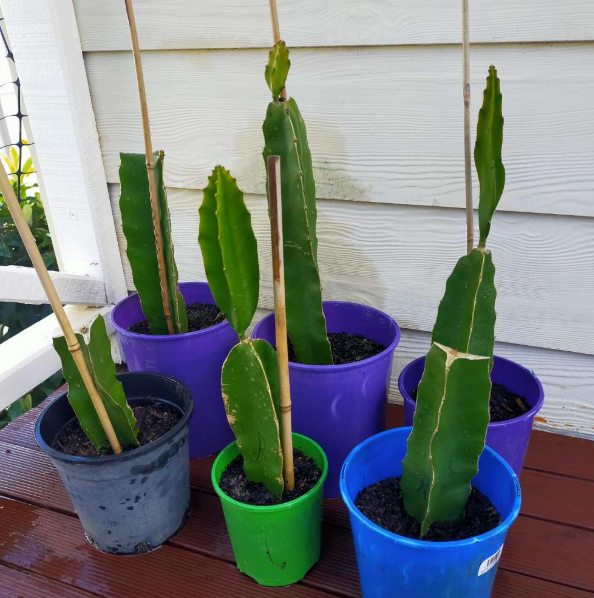
Cuttings are the best way to grow dragon fruit indoors. Take a healthy stem cutting and let it dry for a few days to prevent rot. Plant it in well-draining soil and water lightly. Within weeks, it will develop roots and start growing upward. Cuttings grow faster and bear fruit earlier than seeds.
Indoor Growing Requirements
Indoor dragon fruit plants need very specific conditions to grow well, and each requirement plays a major role in how healthy the plant becomes. Light, temperature, humidity, soil, drainage, and the pot all influence your results. Because dragon fruit is a cactus, it thrives in warm, bright environments. Indoors, you can easily recreate these conditions with simple adjustments. Proper soil ensures the roots stay healthy, and the right pot size supports long-term growth. You must also monitor humidity levels so the plant doesn’t become too dry or too moist. When these requirements are met, your indoor dragon fruit has everything it needs to develop strong stems, large flowers, and delicious fruits. Think of this stage as setting the foundation—once done correctly, the rest of the growing process becomes easier.
Light Requirements
Dragon fruit is a sun-loving plant, and indoors, light becomes the most important factor of all. Place your plant near a south-facing window where it receives bright, direct sunlight for several hours. If natural light is limited, use high-quality LED grow lights for at least 8–10 hours daily. Light helps the plant produce strong stems and encourages flowering. Without sufficient brightness, the plant grows thin and weak, a condition known as etiolation. A good grow light setup can completely transform your indoor experience, helping the plant develop faster. Always keep the light source 12–18 inches above the plant to prevent overheating. Adjust the light height as your plant grows taller. If you want consistent fruit production indoors, lighting should be your top priority.
Temperature & Humidity
Dragon fruit plants love warm temperatures between 20°C to 30°C (68°F to 86°F). Indoors, this range is easy to maintain, especially if you live in a moderate climate. Avoid exposing the plant to cold drafts or temperatures below 10°C (50°F), which can shock the cactus and stunt its growth. Humidity indoors should be moderate—around 40–60%. Too much humidity can encourage mold, while extremely dry air can cause stem shrinkage. Use a simple room humidifier if needed, or place a tray of water near the plant. Maintaining this stable temperature and humidity keeps the plant comfortable and reduces stress. When the environment feels right, your dragon fruit will reward you with strong growth and vibrant flowers.
Soil & Potting Mix
Dragon fruit plants need well-draining soil because their roots don’t tolerate water buildup. Use a cactus or succulent potting mix as your base. You can improve the mixture by adding sand, perlite, or coconut coir to maintain excellent drainage. The soil should remain slightly moist but never soggy. Good soil helps oxygen reach the roots and supports faster growth. Avoid heavy garden soil because it compacts easily and suffocates the root system. You can also mix in organic matter like compost for extra nutrients. Healthy soil is the backbone of indoor dragon fruit care, ensuring your plant stays strong throughout its growing cycle.
Best Pot Size for Dragon Fruit
Dragon fruit plants grow tall and need a pot that supports their height and root spread. Start with a pot that measures at least 12–18 inches deep and wide. As the plant grows, you may need to repot into a larger container. Choose a pot with large drainage holes to prevent water buildup. Heavy pots like ceramic or concrete help support the weight of the climbing cactus, preventing it from tipping over. Proper pot selection provides stability and room for growth, ensuring the plant remains upright while climbing a trellis or support pole.
How to Support Indoor Dragon Fruit Growth
Dragon fruit plants need support to grow vertically. Without it, they become tangled and weak. Indoors, you must recreate the natural climbing environment using stakes, wooden posts, or trellises. A strong support structure helps guide the plant upward, promotes airflow, and makes harvesting easier. The support should be tall enough to hold several feet of growth. As the plant matures, the stems grow heavier and need something sturdy to lean on. Supporting the plant properly prevents breakage and encourages a strong central trunk, the key to producing flowers and fruits indoors.
Installing the Right Trellis
Trellises help dragon fruit plants climb naturally and stay organized. Indoors, wooden, bamboo, or PVC trellises work well. Place the trellis in the center of the pot before planting the cutting. Tie the plant gently with soft plant ties. Avoid using tight strings that damage the stems. A good trellis should be at least 4–5 feet high. As the plant matures, keep adjusting the ties so it attaches securely. A strong trellis not only improves structure but also boosts air circulation and light exposure, resulting in healthier growth.
Training the Vines
Training dragon fruit vines keeps them manageable indoors. As the plant climbs, direct the stems upward and tie them loosely to the support. Once the plant reaches the top of the trellis, trim the top to encourage branching. These branches are where flowers and fruits develop. Training the vines helps shape your plant and prevents it from becoming too wild or spreading across your living space. Regular pruning also removes weak or damaged stems, allowing the plant to focus energy on producing blooms.
Watering and Fertilizing Tips
Dragon fruit doesn’t need heavy watering. In fact, overwatering is the number one reason indoor plants fail. You should water only when the top 2–3 inches of soil are dry. Use room-temperature water and pour slowly until some drains out of the bottom. Always empty the saucer to avoid root rot. When fertilizing, use a balanced 10-10-10 fertilizer every month during the growing season. Organic options like fish emulsion or compost tea also work well. Fertilizing helps the plant produce strong stems and encourages flowering. But avoid over-fertilizing, especially during the dormant season.
Watering Schedule
A good watering schedule depends on your indoor climate. In humid environments, water less frequently. In dry climates, water slightly more often. A typical schedule is once every 7–10 days, but always check soil moisture first. During winter, reduce watering because the plant enters slow growth mode. Too much water causes root rot, fungal growth, and mushy stems. Stick to light, controlled watering for best results.
Best Fertilizers for Indoor Growth
Balanced fertilizers, cactus-specific formulas, or organic composts work best. Look for fertilizers rich in phosphorus to stimulate flowering. Apply slow-release fertilizers for steady nutrient supply. Indoor plants need fewer nutrients than outdoor ones, so avoid heavy feeding. Fertilizing every 4–6 weeks is enough during the growing season. Healthy feeding ensures bright, strong branches and consistent fruiting.
Indoor Pollination Tips
Most indoor growers face challenges with pollination. If your dragon fruit variety is self-pollinating, the job is easy—flowers fertilize themselves. For non-self-pollinating types, you must hand-pollinate. When the flower opens at night, use a small brush to transfer pollen from the male part (stamen) to the female part (stigma). Do this gently for each flower. Hand-pollination increases fruit set and ensures larger, healthier fruits.
Common Pests & Diseases Indoors
Although indoor plants face fewer pests, dragon fruit can still attract mealybugs, aphids, and spider mites. Inspect your plant regularly. If you spot pests, wipe the stems with neem oil or insecticidal soap. Diseases like stem rot or fungal spots appear when there is poor ventilation or overwatering. Keep the plant in a dry, airy space and water properly to prevent issues. Early detection keeps your plant healthy and thriving.
Indoor Dragon Fruit Care Tips for Beginners
- Use a tall pot with good drainage
- Provide strong support from Day 1
- Give at least 8–10 hours of light
- Avoid overwatering
- Choose self-pollinating varieties
- Trim regularly to maintain shape
- Use grow lights during winter
Conclusion
Growing dragon fruit indoors is not only possible, but it’s also deeply rewarding. With the right light, warmth, soil, and support, your plant can thrive just like it would outdoors. Whether you live in a small apartment or a spacious home, dragon fruit adapts well to indoor environments when given proper care. It is a long-term plant, but the effort pays off with stunning flowers and delicious fruits. Start with a healthy cutting, give it support, follow a good watering routine, and watch your indoor dragon fruit turn into a vibrant, tropical centerpiece for your home. MyPlants Vellay readers can enjoy a unique gardening experience that brings beauty, flavor, and nature right into the heart of your living space.
FAQs
1. Can dragon fruit grow indoors without sunlight?
Yes, but you must use strong LED grow lights for at least 8–10 hours daily.
2. How long does it take to grow dragon fruit indoors?
From cuttings, you may see flowers within 6–12 months. Fruit follows after pollination.
3. How often should I water a dragon fruit plant indoors?
Water only when the top 2–3 inches of soil are dry—usually every 7–10 days.
4. Can I grow dragon fruit from store-bought fruit seeds?
Yes, but the process is slow and may take years before fruiting.
5. Do indoor dragon fruit plants attract pests?
Occasionally—mealybugs and spider mites may appear. Regular inspection prevents issues