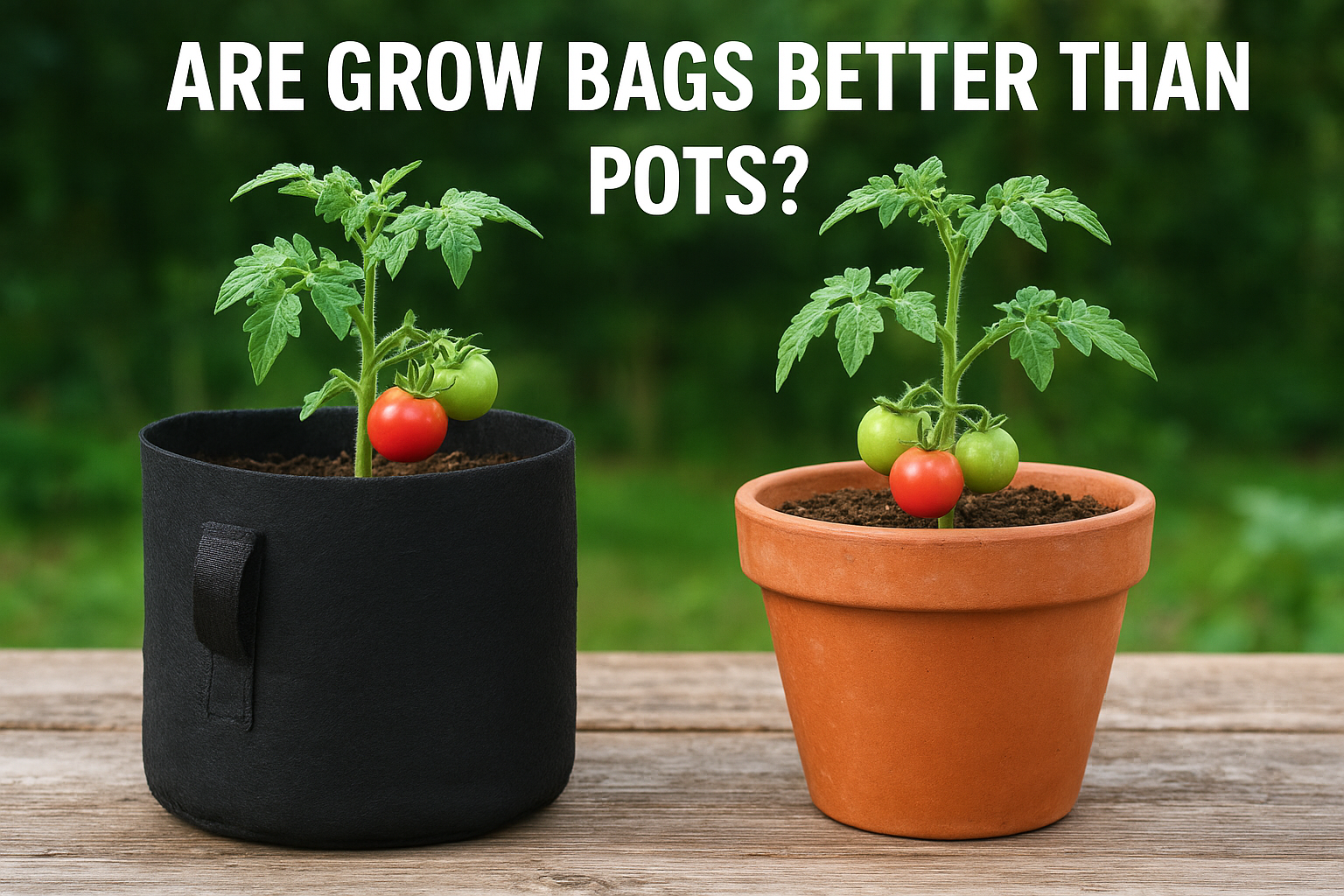
Gardening is an art, but choosing the right container for your plants can make or break your garden’s success. Many gardeners today are torn between traditional pots and modern grow bags. Are grow bags better than pots? Let’s dive deep into this comparison, exploring benefits, drawbacks, and expert tips so you can make an informed choice.
Choosing the Right Plant Container
When it comes to gardening, choosing the right container is more than just aesthetics. The container you use directly affects your plant’s growth, health, and overall yield. Traditional pots have been the go-to option for decades, but grow bags are rapidly gaining popularity among home gardeners and professionals alike. Grow bags are flexible fabric containers that allow roots to breathe, promoting healthier plant growth. On the other hand, traditional pots, made from clay, plastic, or ceramic, are sturdy and visually appealing but may have limitations in aeration and drainage. In this article, we’ll compare grow bags and pots in detail, helping you decide which is the best choice for your gardening needs.
What Are Grow Bags?

Grow bags are soft-sided containers made from breathable materials like fabric or non-woven polypropylene. They provide an alternative to traditional rigid pots and offer unique benefits for plant growth.
Materials Used in Grow Bags
Most grow bags are made from breathable fabric or thick non-woven polypropylene. These materials allow excess water to drain freely while providing aeration to the roots. Unlike plastic pots that trap moisture and limit airflow, grow bags ensure roots get enough oxygen, reducing the risk of overwatering.
Sizes and Shapes of Grow Bags
Grow bags come in a variety of sizes, from small 1-gallon bags perfect for herbs to large 20-gallon bags suitable for tomatoes or potatoes. They can be round, square, or rectangular, making them versatile for both small balcony gardens and larger outdoor spaces.
What Are Traditional Pots?
Traditional pots are containers made from solid materials like clay, ceramic, or plastic. They have been used for centuries in gardening and are widely recognized for their durability and aesthetic appeal.
Common Materials for Pots
Clay, ceramic, plastic, and fiberglass are the most common materials used for pots. Clay pots are porous, allowing some aeration, while plastic pots retain moisture longer. Ceramic pots often come glazed, providing an attractive finish but less breathability.
Pros and Cons of Using Pots
Pots are durable and can last for years, making them a long-term investment. They also come in various colors, shapes, and sizes, enhancing your garden’s aesthetic appeal. However, some pots limit root aeration, increasing the risk of root circling and overwatering if not managed properly.
Key Differences Between Grow Bags and Pots
Choosing between grow bags and pots often comes down to a few key factors. Let’s break down the main differences.
Drainage and Aeration
Grow bags excel in drainage and aeration due to their breathable fabric. Excess water escapes easily, preventing root rot. Traditional pots often rely on drainage holes, which may not provide sufficient airflow for optimal root health.
Root Health and Growth
Grow bags promote air pruning of roots, which encourages a healthy, fibrous root system. Pots, especially deep ones, can lead to root circling, which restricts nutrient uptake and slows plant growth.
Temperature Regulation
Fabric grow bags regulate temperature better by allowing heat to escape, reducing the risk of overheating roots. Pots, particularly dark-colored plastic pots, can absorb heat and stress the plants during hot days.
Benefits of Using Grow Bags
Grow bags come with a host of benefits that make them an attractive option for modern gardeners.
Lightweight and Portable
One of the biggest advantages of grow bags is their portability. They are easy to move, making it convenient to rearrange plants for sunlight, space, or seasonal changes.
Improved Root Pruning
Grow bags naturally prune roots as they grow to the edge of the bag, encouraging the development of a dense, healthy root network. This prevents root-bound plants and promotes faster growth.
Reduced Risk of Overwatering
The breathable fabric allows excess water to drain, significantly reducing the chances of overwatering and root rot. This feature is particularly useful for beginners who often struggle with watering schedules.
Eco-Friendly Options
Many grow bags are made from recycled materials and are reusable. This makes them an environmentally friendly alternative to plastic pots, aligning with sustainable gardening practices.
Benefits of Using Traditional Pots
Despite the rise of grow bags, traditional pots still hold a firm place in gardening.
Durability and Longevity
Plastic and ceramic pots are extremely durable. Unlike fabric grow bags that may wear out over time, pots can last for years without losing shape or structure.
Aesthetic Appeal
Pots come in a wide range of colors, designs, and finishes, enhancing the visual appeal of gardens and indoor spaces. They can complement your home décor or garden theme effortlessly.
Suitable for Indoor Plants
Traditional pots are ideal for indoor plants as they provide stability and can prevent water leakage. Grow bags can be less tidy indoors due to water seepage if not carefully managed.
Drawbacks of Grow Bags
While grow bags are beneficial, they come with a few limitations.
Limited Durability
Fabric grow bags may degrade over time, especially when exposed to direct sunlight continuously. They generally last 2-5 seasons depending on quality.
Water Retention Challenges
Grow bags dry out faster than pots, meaning plants may require more frequent watering. This can be challenging during hot or dry climates.
Not Ideal for Heavy Plants
Grow bags may struggle to support heavy plants like large shrubs or small trees due to their flexible structure.
Drawbacks of Pots
Traditional pots, though sturdy, have their own disadvantages.
Poor Aeration in Some Materials
Plastic and glazed ceramic pots do not allow sufficient air to the roots, which can hinder plant growth.
Risk of Root Circling
Roots tend to grow in circles in deep pots, potentially leading to stunted growth and nutrient absorption issues.
Heavier and Less Portable
Large pots can be heavy and difficult to move, limiting flexibility for gardeners who like to rearrange plants seasonally.
Choosing the Right Container for Different Plants
The type of plant often determines whether a grow bag or pot is the better choice.
Vegetables and Herbs
Grow bags are ideal for vegetables and herbs like tomatoes, peppers, and basil because they support better root development and allow for easy harvesting.
Flowers and Ornamentals
Pots are often preferred for ornamental flowers because of their aesthetic appeal and indoor suitability.
Indoor vs Outdoor Plants
Indoor plants benefit from the stability and neatness of pots, while outdoor plants thrive in breathable grow bags that enhance growth in varying weather conditions.
Maintenance Tips for Grow Bags
- Place bags on a flat, well-drained surface.
- Water consistently, as they dry faster than pots.
- Rotate bags occasionally for even growth
- Store bags indoors during extreme winter to prolong life.
Maintenance Tips for Pots
- Ensure drainage holes are not blocked.
- Use saucers to catch excess water indoors.
- Clean pots periodically to prevent algae or mold buildup.
- Re-pot plants as needed to prevent root circling.
Which one is cheap? Grow Bags vs Pots
Grow bags are generally cheaper than high-quality pots and offer value in portability and eco-friendliness. Pots, while more expensive, provide longevity and decorative appeal. Ultimately, cost depends on the plant type, size, and gardening goals.
Conclusion:
So, are grow bags better than pots? The answer depends on your gardening style. Grow bags excel in root health, aeration, and portability, making them perfect for vegetable gardening and limited spaces. Traditional pots offer durability, aesthetic appeal, and indoor suitability. For the modern gardener, a combination of both might be the ultimate solution to achieve a thriving and visually appealing garden.
FAQs
Can I reuse grow bags for multiple seasons?
Yes, high-quality grow bags can be reused for several growing seasons if properly cleaned and stored.
Are grow bags suitable for heavy plants?
Not ideal. Heavy plants like trees or large shrubs may need sturdier pots for stability.
How often should I water plants in grow bags?
Since grow bags dry faster, water them more frequently, especially in hot weather, to keep soil consistently moist.
Can pots prevent root circling?
Using air-pruning pots or periodically re-potting can help reduce root circling in traditional pots.
Which is better for small balcony gardens, pots or grow bags?
Grow bags are often better for small spaces due to their lightweight, flexible design, and portability.