
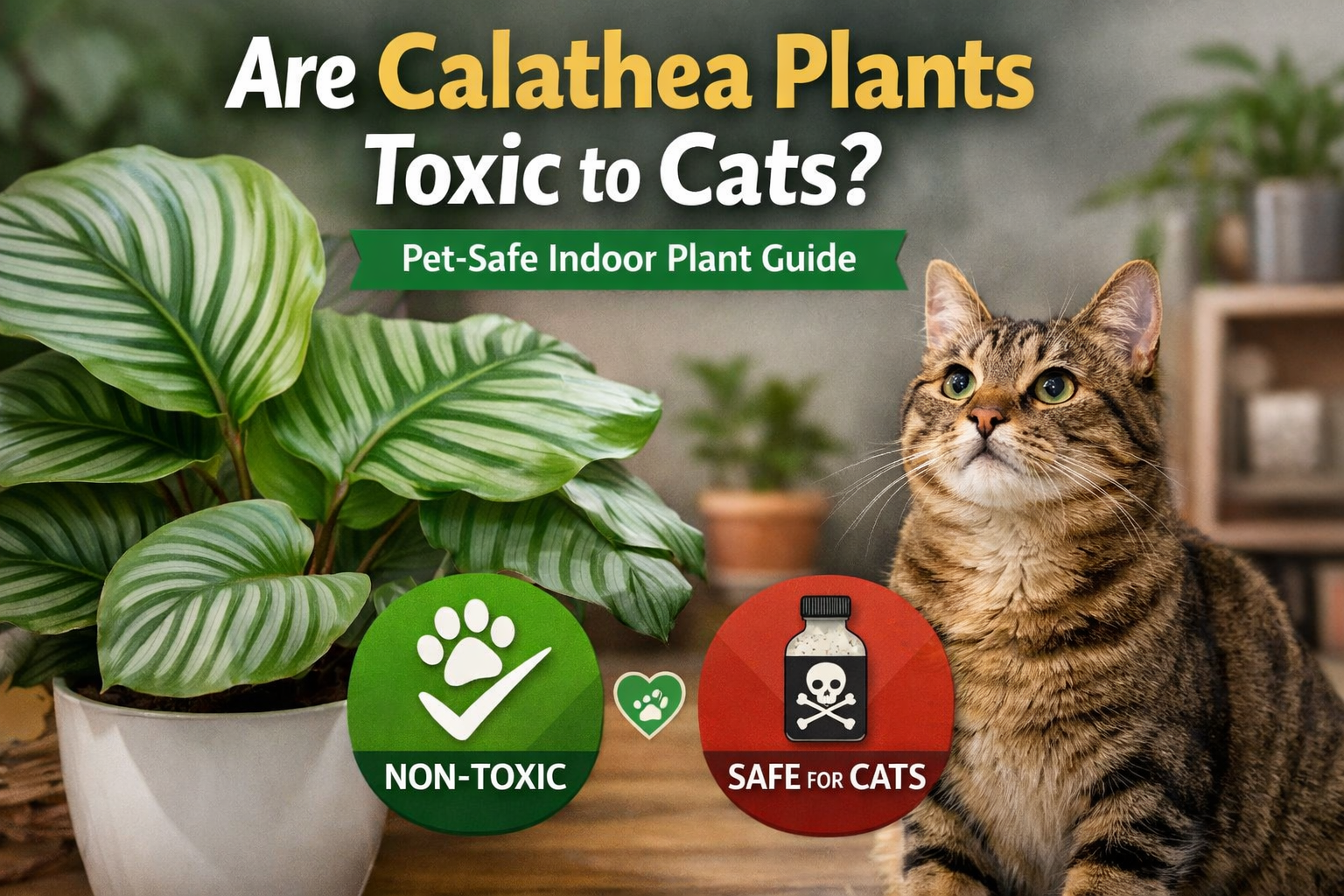
Indoor plants add beauty, freshness, and a calming effect to homes, but for cat owners, plant safety is a serious concern. Cats are naturally curious and often chew on leaves, which can be dangerous if the plant is toxic. One common question among plant lovers is: Are Calathea plants toxic to cats?
The short answer is no—Calathea plants are non-toxic to cats, but there is more you should know before bringing one home. This detailed guide explains Calathea safety, why they are considered pet-friendly, potential mild reactions, and how to keep both your plants and cats safe indoors.
Are Calathea Plants Toxic to Cats?
Calathea plants are non-toxic to cats, according to reputable sources such as the ASPCA (American Society for the Prevention of Cruelty to Animals). This makes them one of the safest indoor plant choices for households with cats. Unlike many decorative houseplants that contain harmful chemicals or sap, Calathea varieties do not produce toxins that can poison cats if chewed or ingested.
Key reasons Calathea plants are considered cat-safe include:
- They do not contain calcium oxalates, which are responsible for mouth irritation in many toxic plants
- They are free from poisonous alkaloids or glycosides
- Ingestion does not cause organ damage or severe illness
If a cat nibbles on Calathea leaves, serious symptoms such as vomiting, seizures, or breathing problems are extremely unlikely. This is why Calathea plants are often recommended as pet-friendly indoor plants for cat owners.
However, “non-toxic” does not always mean “completely harmless.” Cats with sensitive stomachs may still experience mild digestive discomfort if they chew large amounts. Understanding this distinction helps pet owners make informed and responsible choices.
Why Calathea Plants Are Safe for Cats Compared to Other Houseplants
Many popular indoor plants—such as peace lilies, pothos, philodendrons, and dieffenbachia—are toxic to cats and can cause serious health issues. Calathea stands out because it belongs to the Marantaceae family, a group known for being safe for pets.
What makes Calathea safer than other plants:
- Soft, non-toxic leaves with no irritating sap
- No chemical defense toxins, unlike many tropical plants
- Naturally grown for foliage beauty, not chemical deterrence
Common Calathea varieties that are safe for cats include:
- Calathea Orbifolia
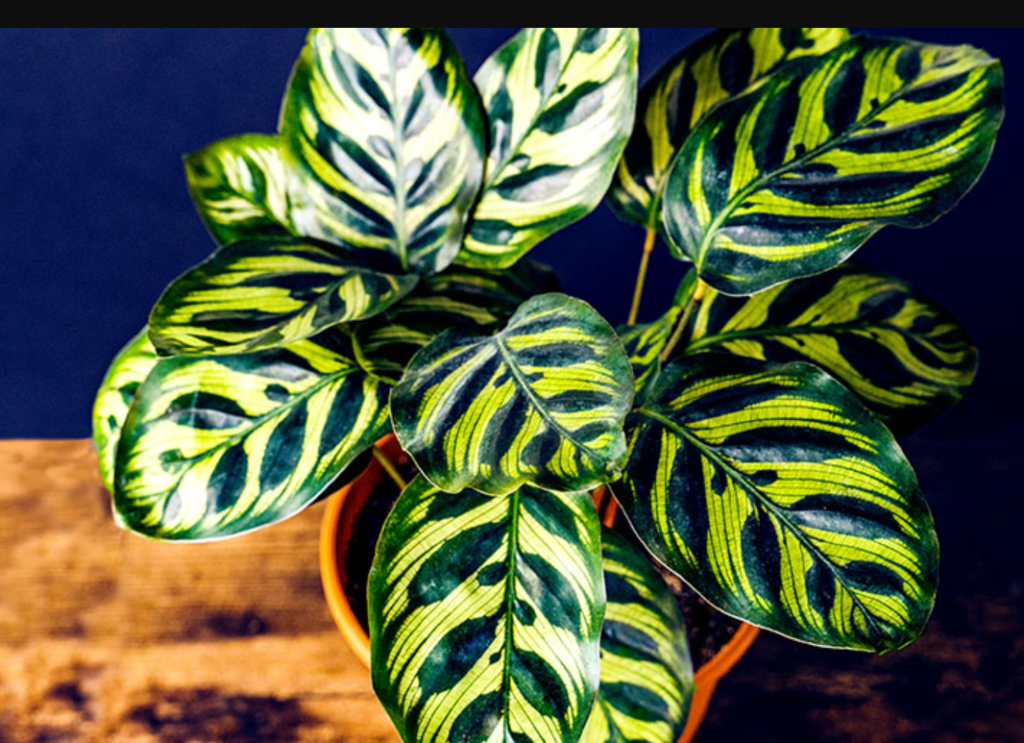
- Calathea Makoyana (Peacock Plant)
- Calathea Medallion
- Calathea Lancifolia (Rattlesnake Plant)
Because Calatheas are non-toxic, they are often included in lists of:
- Cat-safe indoor plants
- Pet-friendly houseplants
- Non-toxic plants for apartments
This makes them an excellent choice for homes where cats roam freely. Still, owners should monitor chewing behavior, as excessive leaf consumption can upset digestion—not due to toxicity, but due to plant fiber.
Can Calathea Plants Cause Any Side Effects in Cats?
Although Calathea are not poisonous to cats, mild side effects can still occur in rare cases. These reactions are usually related to overconsumption, not toxicity. Cats that chew on plants frequently may experience temporary digestive discomfort.
Possible mild side effects include:
- Slight vomiting
- Loose stool
- Temporary loss of appetite
These symptoms are generally short-lived and do not require medical treatment. If symptoms persist for more than 24 hours, it is best to consult a veterinarian—not because Calathea is toxic, but to rule out other causes.
To reduce any risk:
- Discourage frequent chewing
- Place plants out of direct reach
- Provide cat grass as a safe alternative
It’s important to note that no life-threatening reactions are associated with Calathea plants. Compared to toxic plants that can cause mouth swelling, kidney failure, or neurological issues, Calathea is one of the safest options available for cat owners.
Tips for Keeping Both Your Cat and Calathea Plant Safe Indoors
Even with non-toxic plants like Calathea, responsible care ensures a healthy environment for both pets and plants. Cats may damage leaves, and plants may suffer if frequently disturbed.
Helpful tips for cat-friendly plant care:
- Place Calathea on high shelves or plant stands
- Use decorative pots with stable bases to prevent tipping
- Offer cat grass or chew toys to redirect attention
- Avoid chemical pesticides or leaf shine products
From the plant’s perspective:
- Calatheas prefer indirect light and consistent moisture
- Keep humidity levels balanced—ideal for both plants and cats
- Clean leaves regularly to remove dust and pet hair
By following these simple practices, you can enjoy the beauty of Calathea plants without compromising your cat’s safety or your plant’s health.
Final Verdict: Are Calathea Plants Safe for Cats?
Yes—Calathea plants are safe and non-toxic to cats, making them one of the best indoor plant choices for pet-friendly homes. They provide stunning foliage, improve indoor aesthetics, and offer peace of mind to cat owners concerned about plant toxicity.
If you’re looking for:
- Cat-safe indoor plants
- Non-toxic houseplants
- Stylish yet pet-friendly greenery
Calathea is an excellent option.
FAQ
❓ What happens if my cat eats Calathea leaves?
If a cat chews on Calathea leaves, it may experience mild stomach discomfort in rare cases. However, there are no serious or life-threatening effects, as the plant is not poisonous.
❓ Are all Calathea varieties safe for cats?
Yes, popular varieties such as Calathea Orbifolia, Calathea Medallion, Peacock Plant, and Rattlesnake Plant are all considered pet-safe and non-toxic to cats.
❓ Can Calathea plants make cats sick?
Calathea plants do not cause poisoning. However, excessive chewing may lead to minor digestive upset due to plant fiber, not toxicity.
❓ Is Calathea better than other indoor plants for cat owners?
Yes, Calathea is a great alternative to toxic plants like peace lily, pothos, and philodendron. It is one of the best pet-friendly indoor plants for cat owners.
❓ How can I stop my cat from chewing Calathea plants?
You can place the plant out of reach, provide cat grass, or use safe deterrents like citrus scents to discourage chewing.