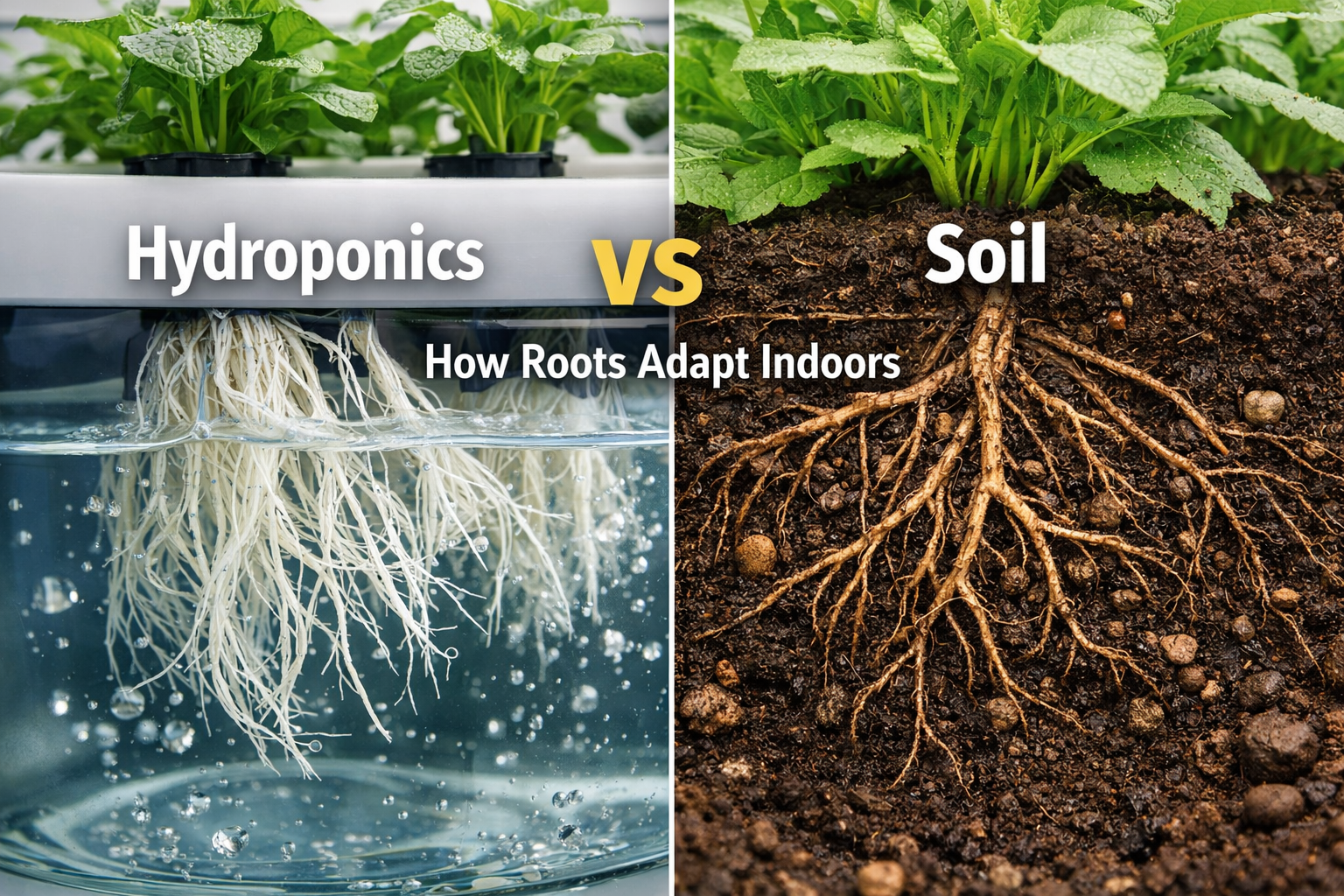
Indoor gardening has surged in popularity, with hobbyists and professionals exploring creative ways to grow plants in limited spaces. Two popular methods dominate this space: hydroponics and soil gardening. At the heart of both methods is a critical component: the roots. Roots are the lifeline of any plant, responsible for absorbing water, nutrients, and oxygen. But have you ever wondered how roots adapt differently in hydroponic setups versus traditional soil? Understanding this can dramatically improve your indoor garden’s success and plant health.
This article dives deep into root behavior, growth patterns, and adaptation strategies for both methods, offering practical tips for gardeners looking to optimize their indoor setups.
Understanding Hydroponics
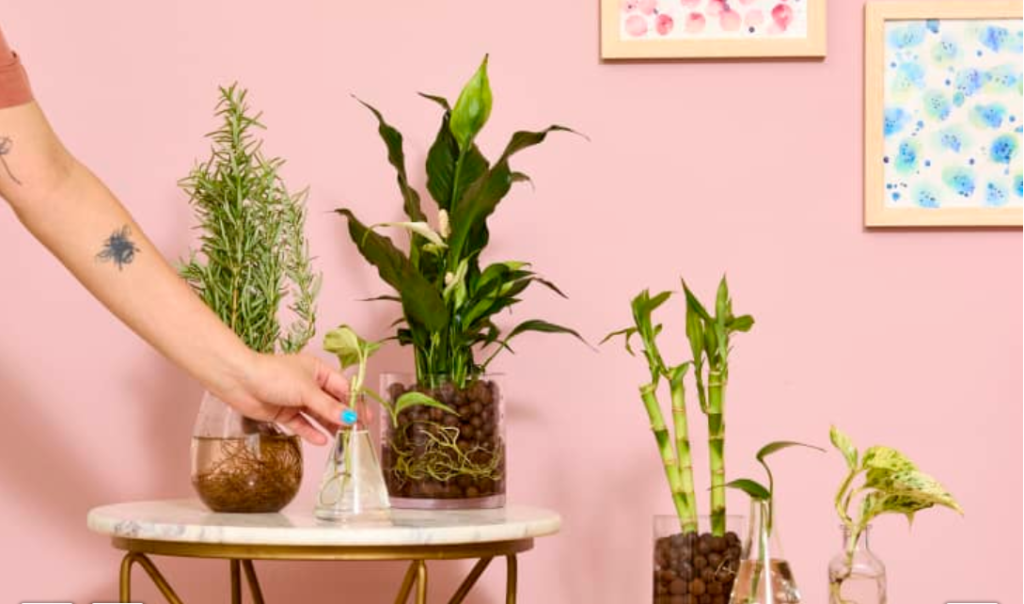
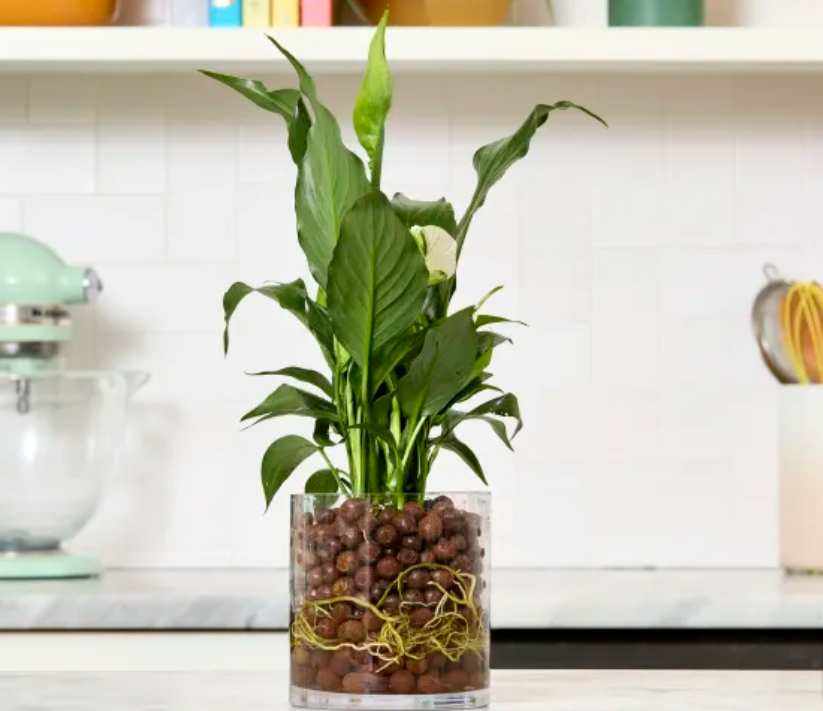
Hydroponics is a soil-free growing method where plants thrive in nutrient-rich water solutions. By eliminating soil, plants get direct access to essential nutrients, which can accelerate growth and maximize yields. But hydroponics requires careful monitoring of pH, nutrient concentration, and oxygen levels to ensure roots stay healthy.
Types of Hydroponic Systems
Hydroponics comes in several setups, each affecting roots differently:
- NFT (Nutrient Film Technique) – Roots grow in a thin stream of nutrient solution, staying partially exposed to air.
- DWC (Deep Water Culture) – Roots dangle in oxygenated water, promoting rapid nutrient uptake.
- Aeroponics – Roots are misted with nutrient solution, encouraging extremely fine root hairs.
- Wicking Systems – Roots draw nutrients via a capillary action, ideal for beginners.
Nutrient Delivery in Hydroponics
In hydroponics, roots absorb nutrients directly from the water. This method allows precise control over nutrients, ensuring optimal growth. Unlike soil, hydroponic roots don’t need to search for nutrients, which often results in faster and more uniform growth.
Understanding Soil-Based Growth
Soil-based growth is the traditional method where plants anchor their roots in soil. Soil provides not only nutrients and water but also physical support, allowing roots to develop robust structures over time.
Soil Composition and Structure
Healthy soil contains a mix of sand, silt, clay, and organic matter. This structure provides stability, water retention, and air pockets for roots. Roots in soil navigate through these layers, adapting to varying densities and textures.
Nutrient Absorption in Soil
Roots extract nutrients through complex interactions with soil minerals and beneficial microbes. Unlike hydroponics, where nutrients are freely available, soil roots often extend and branch extensively to access localized pockets of nutrients. This promotes strong, resilient root systems.
Root Adaptation in Hydroponics
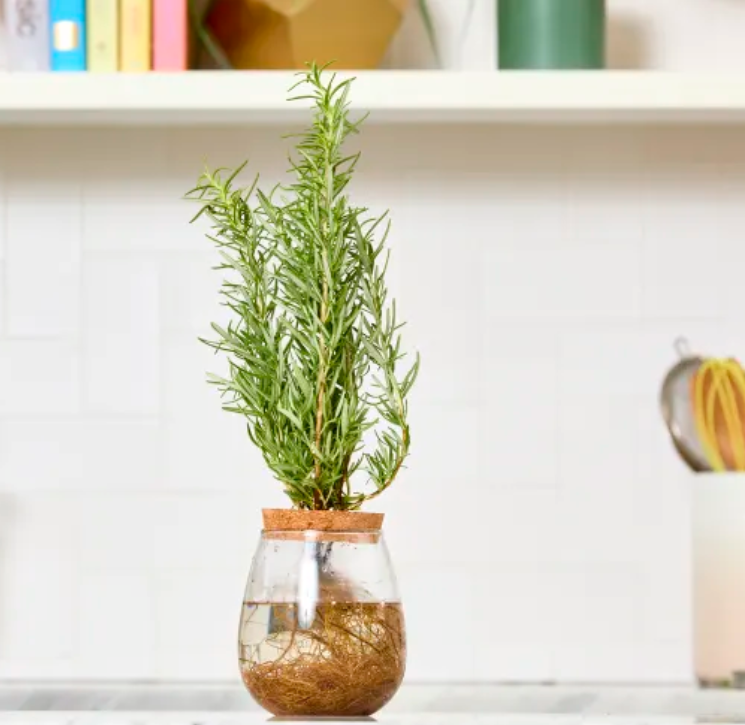
Hydroponic roots adapt uniquely to their watery environment. They tend to develop differently than soil roots due to the constant availability of water and nutrients.
Root Morphology Changes
Roots in hydroponics often grow thinner and more delicate. This morphology allows them to efficiently absorb dissolved nutrients. Fine root hairs increase the surface area, maximizing nutrient uptake without the need to penetrate soil.
Oxygen Availability and Root Health
Oxygen is crucial for root respiration. In hydroponics, aeration systems like air stones or oxygenated water prevent roots from suffocating. Roots adapt by growing in a way that maximizes oxygen absorption, often spreading horizontally to access better oxygenated zones.
Root Adaptation in Soil
Soil roots face a more variable environment and must adapt to physical obstacles, nutrient patches, and microbial communities.
Root Branching and Depth
Soil roots often branch extensively, creating networks to explore different layers for water and nutrients. Deep roots access water in lower soil layers during dry periods, while lateral roots exploit nutrient-rich areas near the surface.
Microbial Interactions
Beneficial microbes in soil help roots access nutrients like nitrogen and phosphorus. Mycorrhizal fungi form symbiotic relationships, extending root reach and enhancing absorption efficiency. Soil roots adapt to these microbial communities by growing in patterns that maximize these beneficial interactions.
Growth Rate Comparison
Hydroponic plants often grow faster due to immediate nutrient availability and controlled conditions. Soil plants may grow slower but develop stronger structural roots, making them more resilient to environmental stress.
Water Usage and Efficiency
Hydroponic systems are highly water-efficient, recycling water in closed loops. Soil roots, however, must navigate varying moisture levels, sometimes using more water to survive dry patches.
Nutrient Uptake Efficiency
Hydroponics allows precise nutrient dosing, which roots absorb almost instantly. Soil roots rely on slower nutrient release from organic matter and microbial activity, which can limit uptake speed but provide long-term resilience.
Environmental Factors Affecting Roots
Roots are the foundation of a plant, anchoring it and absorbing water and nutrients. Several environmental factors can directly influence root growth and health:
- Soil Type and Texture – Sandy soils drain quickly but may lack nutrients, while clay soils retain water but can suffocate roots. Loamy soil is ideal for balanced growth.
- Water Availability – Both drought and waterlogging affect roots. Insufficient water limits nutrient absorption, while excess water can cause root rot.
- Soil pH – Roots thrive in an optimal pH range (usually 6–7). Acidic or alkaline soils can reduce nutrient uptake.
- Temperature – Extreme cold slows root metabolism, while high temperatures may damage delicate root tissues.
- Oxygen Levels – Roots need oxygen for respiration. Compacted or waterlogged soils limit oxygen, stunting growth.
- Nutrients – Adequate nitrogen, phosphorus, potassium, and micronutrients promote strong, healthy roots.
- Light (Indirect) – While roots don’t photosynthesize, sunlight affects overall plant energy, indirectly supporting root development.
Understanding these factors helps gardeners and farmers create conditions for optimal root health, ensuring strong plants and higher yields.
Common Root Problems in Hydroponics
Hydroponic roots are prone to:
- Root Rot – Caused by overwatering or poor oxygenation.
- Nutrient Imbalances – Excess or deficiency affects root development.
- Algae Growth – Can clog roots and reduce nutrient access.
Common Root Problems in Soil
Soil roots can struggle with:
- Compaction – Prevents proper growth and water penetration.
- Overwatering or Drought – Roots suffer if soil moisture is inconsistent.
- Pests and Diseases – Soil-borne pathogens can damage roots.
Best Practices for Healthy Roots in Hydroponics
- Ensure proper aeration in water.
- Monitor pH and nutrient levels regularly.
- Prevent stagnant water to avoid root rot.
- Use clean equipment to minimize pathogens.
Best Practices for Healthy Roots in Soil
- Use well-draining, nutrient-rich soil.
- Mulch to retain moisture and regulate temperature.
- Introduce beneficial microbes to enhance nutrient absorption.
- Avoid compacting soil around roots.
Choosing the Right System for Your Indoor Garden
Deciding between hydroponics and soil depends on your goals:
- Hydroponics – Faster growth, controlled nutrients, water-efficient, needs monitoring.
- Soil – More resilient roots, less technical, natural microbial benefits.
Conclusion
Roots are the foundation of plant health, and their adaptation depends heavily on the growth system. Hydroponic roots grow faster and thinner, optimized for nutrient uptake in water, while soil roots develop deep, branching networks to explore and interact with their environment. Choosing the right system involves balancing speed, maintenance, and long-term plant resilience. By understanding root adaptation, indoor gardeners can create thriving setups that maximize both growth and health.
FAQs
1. Can hydroponic plants survive in soil later?
Yes, but roots must adapt slowly to the denser, microbe-rich soil environment.
2. Do soil roots grow slower than hydroponic roots?
Typically, yes, but soil roots are stronger and more resilient.
3. How often should hydroponic nutrient solutions be changed?
Every 1–2 weeks or when nutrient balance shifts.
4. Can root rot happen in soil gardens?
Yes, overwatering or poor drainage can cause it.
5. Which system uses less water, soil or hydroponics?
Hydroponics uses significantly less water due to recirculation.