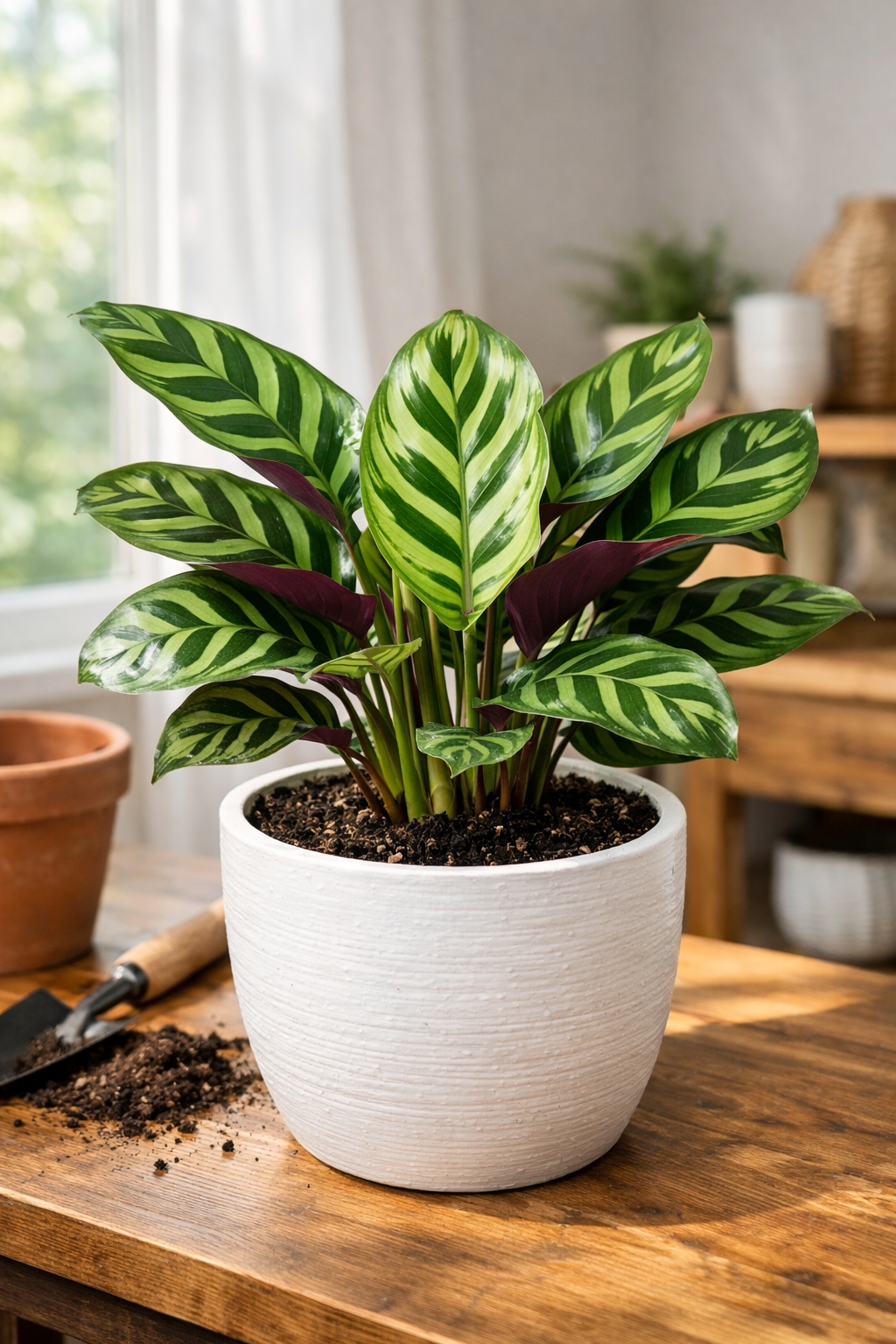
If you’ve ever owned a Calathea, you already know this plant has a personality. One day it’s standing tall with vibrant, patterned leaves, and the next it’s curling its_toggle edges as if something is wrong. That’s why one common question keeps popping up among plant lovers: does Calathea like to be root bound? It’s a fair question, especially since many houseplants actually prefer snug pots. But Calathea plays by different rules. Its health, leaf color, and overall growth are closely tied to what’s happening beneath the soil. Understanding whether your Calathea enjoys tight roots or needs more breathing room can save you from brown edges, droopy leaves, and slow growth.
In this guide, we’ll break it down in simple terms, helping you understand how root space affects Calathea and how to keep this beautiful plant thriving indoors.
What Makes Calathea a Popular Houseplant
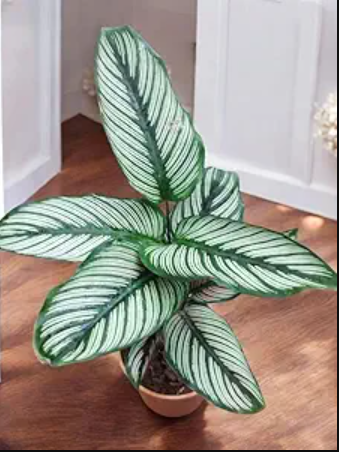
Calathea is one of those houseplants that instantly grabs attention. With its bold patterns, painted-like leaves, and dramatic movement that follows day and night cycles, it feels more like living art than a plant. Many plant lovers adore Calathea because it brings personality into indoor spaces without needing direct sunlight. Its reputation as a “prayer plant” adds to the charm, as the leaves gently fold upward in the evening like hands in prayer. However, beauty comes with responsibility. Calathea is known for being a bit sensitive, especially when it comes to water, humidity, and root care. This sensitivity is exactly why questions like “does Calathea like to be root bound?” matter so much. Understanding how its roots behave can be the difference between a thriving plant and one with crispy edges and droopy leaves.
Natural Habitat and Growth Behavior
To understand Calathea’s root preferences, it helps to imagine where it comes from. Calatheas are native to tropical rainforests, where the soil is loose, rich, and constantly moist but never waterlogged. In nature, their roots spread gently through organic matter rather than being tightly compressed. This environment allows roots to breathe while still staying hydrated. Unlike plants that grow in rocky or arid conditions, Calathea does not naturally experience tight root confinement. That’s a big clue. When grown indoors, forcing Calathea into cramped conditions goes against how it evolved. While it may tolerate being slightly snug for a short time, it doesn’t truly enjoy being root bound in the long run.
Understanding the Concept of Root Bound Plants
What Does Root Bound Mean in Gardening
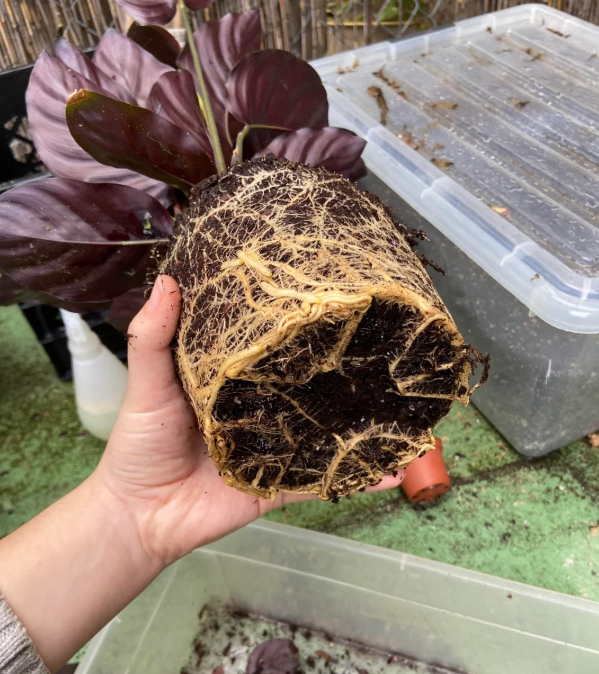
A plant is considered root bound when its roots outgrow the pot and begin circling around the inside, forming a dense, tangled mass. Instead of expanding outward into fresh soil, the roots wrap around themselves, leaving little room for water and nutrients. Think of it like wearing shoes two sizes too small. You can walk for a bit, but eventually, discomfort kicks in. For houseplants, being root bound can lead to stunted growth, poor water absorption, and overall stress. Some plants tolerate this condition better than others, but many tropical plants struggle when their roots can’t breathe or spread naturally.
Common Signs of a Root Bound Plant
Root bound plants often send clear distress signals if you know what to look for. These include slowed growth, frequent wilting even after watering, and roots poking out from drainage holes. You might also notice water running straight through the pot without being absorbed. That’s because there’s more root than soil inside. Over time, the plant may start dropping leaves or showing discoloration. These symptoms are often mistaken for watering issues, but the real problem is happening below the soil line.
Visual and Growth-Related Symptoms
For Calathea specifically, root bound stress often shows up as curled leaves, brown edges, and dull coloring. New leaves may stop emerging altogether. The plant looks tired, even if you’re doing everything else right. When these symptoms appear together, checking the roots is a smart move.
Does Calathea Like to Be Root Bound?
The Short Answer Explained Clearly
No, Calathea does not like to be root bound. While it can tolerate being slightly snug in its pot for a short period, prolonged root binding causes stress and health issues. Unlike some plants that bloom better when root bound, Calathea focuses more on foliage health. Tight roots restrict water and nutrient uptake, which directly affects leaf quality. In simple terms, Calathea prefers comfort over confinement.
How Calathea Roots Actually Grow
Calathea roots are fine, fibrous, and delicate. They spread outward rather than growing thick and aggressive. This type of root system thrives in loose, well-aerated soil. When confined, these roots struggle to access oxygen, leading to poor absorption and increased risk of root rot. Giving Calathea enough room allows the roots to function the way nature intended.
How Being Root Bound Affects Calathea Health
Impact on Leaf Health and Color
Leaf health is the first casualty when Calathea becomes root bound. Since roots can’t absorb enough water and nutrients, the leaves suffer. You may notice faded patterns, yellowing, or crispy brown edges. The iconic bold markings that make Calathea special can start to look washed out. It’s like trying to paint a masterpiece without enough paint. The result is dull and incomplete.
Effect on Growth Rate and New Leaves
Root bound Calatheas often stop producing new leaves. Growth slows to a crawl because the plant is focused on survival rather than expansion. In severe cases, the plant may go into a kind of standby mode, conserving energy instead of growing. This is a clear sign that it’s time for more space..
Signs Your Calathea Needs Repotting
Above-Soil Signs:
- Leaves drooping or curling despite proper care
- Brown edges or faded leaf patterns
- Slowed or halted growth
- Water runs straight through the pot without being absorbed
Below-Soil Signs:
- Roots circling the pot or growing out of drainage holes
- Dense, tangled root mass leaving little soil space
- Signs of root rot or unhealthy, mushy roots
- Soil dries out very quickly due to root crowding
Recognizing these signs early helps ensure your Calathea stays healthy and vibrant.
Best Time to Repot Calathea
Seasonal Timing for Best Results
Spring and early summer are ideal for repotting Calathea. During this period, the plant is actively growing and can recover quickly. Repotting in winter can shock the plant and slow recovery.
Why Spring Is Ideal
Spring offers longer daylight hours and warmer temperatures, which encourage root growth. This makes it easier for Calathea to adapt to its new pot.
Choosing the Right Pot Size for Calathea
Choosing the right pot size is crucial for Calathea’s root health. Opt for a pot that is only 1–2 inches larger in diameter than the current one. A pot that’s too big can hold excess water, leading to soggy soil and root rot, while a pot that’s too small restricts root growth and stresses the plant. Pot material matters too—terracotta or clay pots are ideal because they are porous and allow excess moisture to evaporate, while plastic pots retain water longer, which requires careful watering. Ensuring the right size and material helps your Calathea thrive with healthy roots and vibrant leaves.
Best Soil Mix for Healthy Calathea Roots
- Use a light, well-aerated base such as peat moss or coco coir to retain gentle moisture
- Add perlite or pumice to improve airflow and prevent soil compaction
- Include organic compost or worm castings for slow-release nutrients
- Ensure the mix is moisture-retentive but fast-draining to avoid root rot
- Avoid heavy garden soil, which suffocates delicate Calathea roots
- Maintain a slightly acidic to neutral pH for optimal nutrient absorption
- Always pair the soil mix with a pot that has proper drainage holes
How to Repot Calathea Without Stress
Step-by-Step Repotting Process
- Water the plant a day before repotting
- Gently loosen roots
- Place in fresh soil
- Water lightly after repotting
Repotting Calathea without stress starts with good timing and gentle handling. Always choose spring or early summer when the plant is actively growing. Water the plant a day before repotting so the roots are hydrated and flexible. Carefully slide the Calathea out of its pot and loosen the roots slightly without pulling or breaking them. Place it into a new pot that is only 1–2 inches larger, using a well-draining, airy soil mix. After repotting, water lightly and keep the plant in bright indirect light with high humidity. Avoid fertilizing for a few weeks to allow smooth root recovery.
Aftercare Tips for Faster Recovery
Keep the plant in indirect light and maintain high humidity for a week to reduce stress.
Common Mistakes When Repotting Calathea
- Choosing a pot that is too large, leading to excess moisture retention
- Using heavy or compact soil that restricts airflow to the roots
- Repotting during winter when the plant is not actively growing
- Damaging delicate roots by pulling or shaking them aggressively
- Overwatering immediately after repotting
- Skipping drainage holes in the pot
- Placing the plant in direct sunlight after repotting
How to Maintain Healthy Roots Long-Term
Maintaining healthy Calathea roots long-term is all about consistency and balance. Start with proper watering habits—keep the soil evenly moist but never soggy, as overwatering is the fastest way to cause root rot. Always use pots with drainage holes to allow excess water to escape. Humidity also plays a major role; Calathea thrives in higher humidity, which reduces root stress and improves nutrient uptake. Use a well-aerated, lightweight soil mix so roots can breathe easily.
Avoid letting the plant stay root bound for too long, and check roots during routine repotting every 12–18 months. With stable care, roots remain strong, active, and disease-free.
Calathea Growth Expectations After Repotting
After repotting, Calathea usually needs a short adjustment period before showing new growth. In the first one to two weeks, it may appear slightly droopy or slow, which is completely normal as the roots settle into fresh soil. Once adapted, healthy signs begin to appear, such as firmer leaves,
improved color, and new leaf shoots emerging from the base. With proper humidity, indirect light, and consistent watering, most Calatheas start producing new leaves within three to four weeks. Patience is key—repotting sets the foundation for stronger roots and long-term, healthy growth.
Indoor Environment Factors Affecting Root Growth
Light, Temperature, and Airflow
Bright indirect light and warm temperatures support steady root growth.
Placement Tips Inside the Home
Avoid cold drafts and direct sunlight to protect roots and leaves.
Conclusion
Calathea does not enjoy being root bound. While it may tolerate a snug pot briefly, long-term health depends on giving its roots space to breathe and grow. Proper pot size, airy soil, and timely repotting are essential for vibrant leaves and steady growth. Treat Calathea roots with care, and the plant will reward you with stunning foliage that feels alive and expressive.
FAQs
1. How often should I repot my Calathea?
Usually every 12–18 months, depending on growth rate.
2. Can a root bound Calathea recover after repotting?
Yes, with proper care and humidity, recovery is very likely.
3. Does Calathea like deep or shallow pots?
Shallow to medium-depth pots work best due to its fibrous roots.
4. Should I trim roots when repotting Calathea?
Only remove damaged or rotting roots, never healthy ones.
5. Can root binding cause brown leaf edges?
Yes, restricted roots often lead to water stress and brown edges.