Self watering planters sound almost magical, don’t they? You plant something, add water once, and somehow the plant takes care of itself. No daily watering stress. No sad, drooping leaves. Just happy, hydrated plants. But how do self watering planters work exactly?
Let’s break it all down in a simple, human way—no confusing science talk, no jargon overload. By the end of this guide, you’ll know exactly how they function, why they work so well, and whether they’re right for your plants.
What Is a Self Watering Planter?
Definition and Basic Concept
A self watering planter is a plant container designed to supply water to plants automatically from below rather than from the top. Instead of pouring water directly onto the soil every day, the planter stores water in a built-in reservoir. The plant then draws water as needed.
Think of it like a water bottle with a straw. The water sits safely below, and the plant “sips” whenever it gets thirsty.
Why Self Watering Planters Are Popular Today
People are busy. Some forget to water plants, others overdo it. Self watering planters solve both problems. They provide consistent moisture, reduce water waste, and help plants grow stronger roots. That’s why they’re a favorite among apartment dwellers, beginners, and even professional gardeners.
How Do Self Watering Planters Work?
The Water Reservoir System
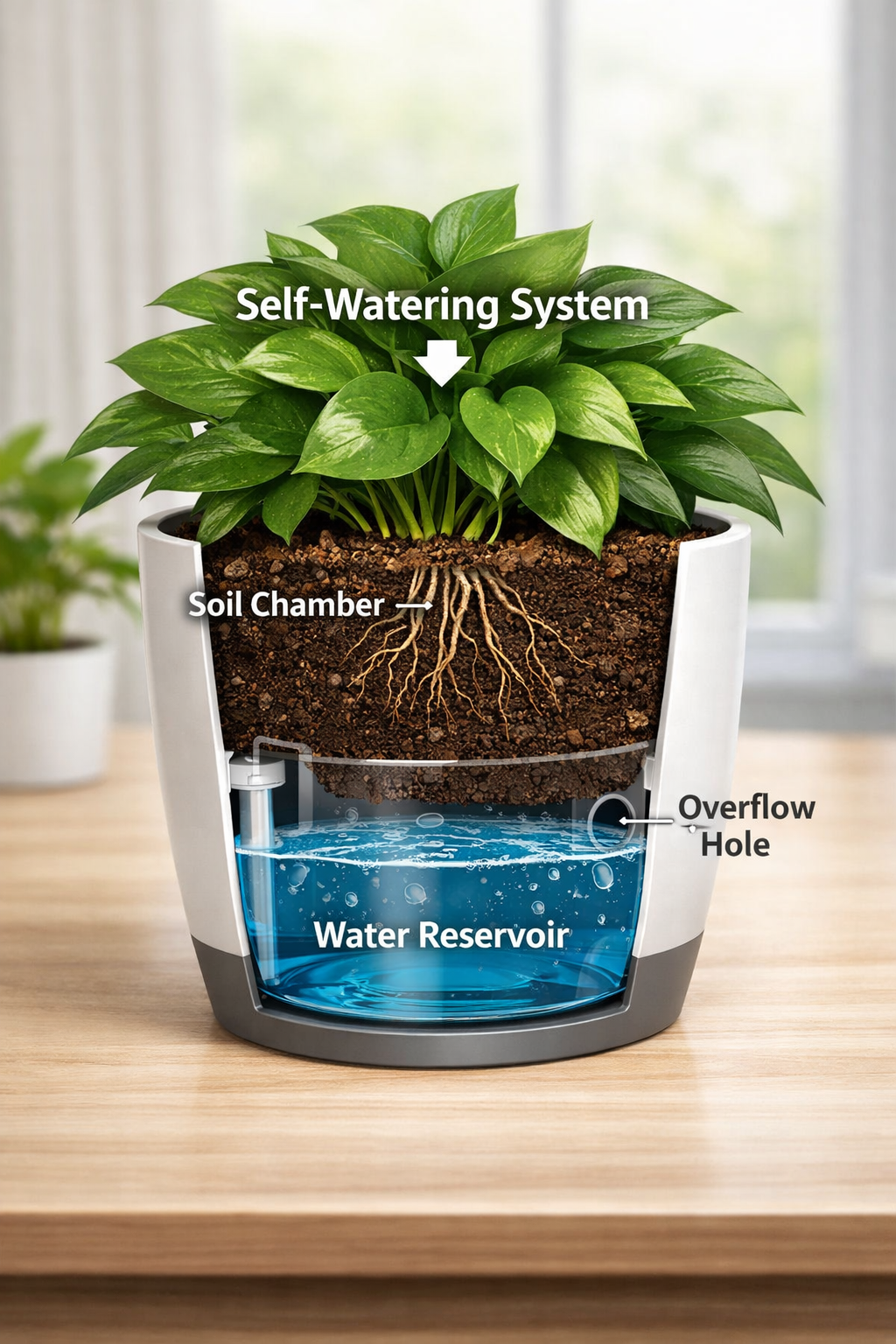
At the bottom of a self watering planter is a water reservoir. This chamber holds water separately from the soil. The soil never sits directly in water, which is key to preventing root rot.
You fill this reservoir through a tube or opening, and it can store enough water to last days—or even weeks.
Capillary Action Explained
Here’s the secret sauce: capillary action. This is the same process that helps a paper towel soak up water.
A wick (or sometimes the soil itself) pulls water upward from the reservoir into the soil. The plant’s roots absorb moisture only when they need it. No guessing. No drowning.
How Roots Absorb Water Automatically
Plant roots naturally seek moisture. When the soil starts to dry, roots pull water upward through the wick. When the soil is moist enough, the process slows down. It’s a self-regulating system, almost like autopilot for plants.
- Root hairs increase the surface area, helping plants take in more water efficiently.
- Water enters because the cell sap inside roots is more concentrated than the surrounding soil water.
- The absorbed water moves upward through xylem tissues to stems and leaves.
- Capillary action and transpiration pull help maintain continuous water flow.
- This process happens automatically, without any external force.
- Healthy soil moisture ensures steady absorption and plant growth.
Main Parts of a Self Watering Planter
Water Reservoir
This is the heart of the system. It stores water safely below the soil and ensures a steady supply over time.
Wicking System
The wick connects the reservoir to the soil. It can be:
- Cotton rope
- Fabric strip
- Built-in soil columns
Its job is to transport water upward.
Soil Chamber
This is where the plant lives. The soil stays evenly moist, not soggy, creating ideal growing conditions.
- I describe the soil chamber as the main space where soil is placed.
- It holds nutrients, moisture, and air needed for healthy root growth.
- Roots spread inside this chamber to absorb water and minerals.
- Proper soil chambers support drainage while retaining enough moisture.
- It is essential for strong plant stability and growth.
Overflow Hole
An overflow hole prevents flooding. If you add too much water, the excess drains out instead of drowning the plant.
- I explain the overflow hole as a drainage opening in a pot or planter.
- It removes excess water to prevent root rot.
- This hole maintains balanced moisture in the soil chamber.
- It protects roots from waterlogging.
- Overflow holes are crucial for healthy indoor plants.
Step-by-Step Working Process of Self Watering Planters
Filling the Reservoir
- Pour water into the fill tube
- Water flows into the bottom reservoir
- Excess drains through the overflow hole
Water Transfer to Soil
- Wick absorbs water
- Moisture moves upward through capillary action
- Soil stays evenly damp
Plant Self-Regulation Mechanism
- Roots draw water only when needed
- No overwatering
- No underwatering
It’s like cruise control for plant hydration.
Types of Self Watering Planters
Plastic Self Watering Planters
- Lightweight
- Affordable
- Great for beginners
Ceramic Self Watering Pots
- Stylish and decorative
- Better insulation
- Ideal for indoor plants
DIY Self Watering Containers
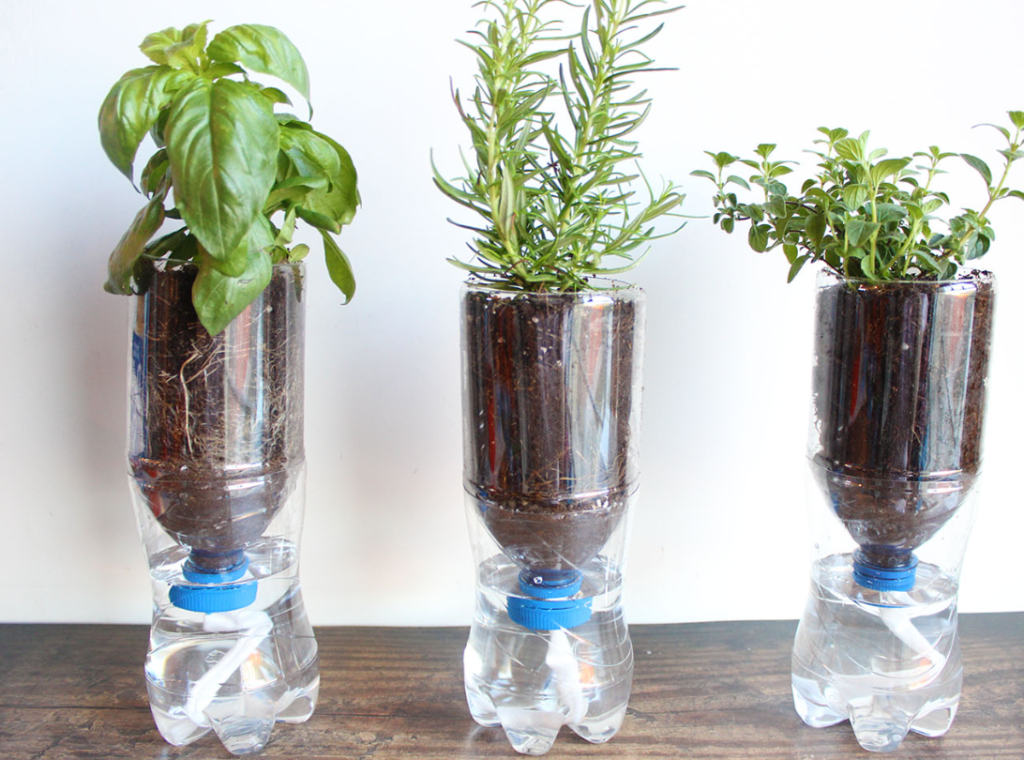
- Made from bottles or buckets
- Budget-friendly
- Perfect for experiments
Benefits of Using Self Watering Planters
Consistent Moisture for Plants
- No dry spells
- No soggy roots
- Healthier growth
Saves Time and Water
- Less frequent watering
- Reduced water waste
- Perfect for busy schedules
Prevents Overwatering
- Controlled water delivery
- Built-in overflow protection
Plants That Grow Best in Self Watering Planters
Indoor Plants
- Snake plant
- Peace lily
- Pothos
- Spider plant
Herbs and Vegetables
- Basil
- Mint
- Lettuce
- Tomatoes
Flowers and Ornamentals
- Petunias
- Begonias
- Geraniums
Soil Requirements for Self Watering Planters
Best Soil Mix
- Lightweight potting mix
- Good aeration
- Moisture-retentive but well-draining
Why Drainage Still Matters
Avoid garden soil. It compacts easily and blocks water movement, defeating the whole system.
Common Mistakes to Avoid
- Avoid overfilling the water reservoir, as it can cause root rot.
- Don’t use heavy garden soil; I choose light, well-draining potting mix.
- Never ignore the overflow hole, which prevents waterlogging.
- Avoid planting plants that dislike constant moisture, such as succulents.
- Clean the planter regularly to stop salt and algae buildup.
- Don’t forget to check water levels, especially during hot weather.
Self Watering Planters vs Traditional Pots
self-watering planters and traditional pots based on ease of care and plant health. Self-watering planters store water in a reservoir and supply moisture gradually, reducing overwatering and underwatering. They are ideal for busy plant owners and beginners. Traditional pots rely on manual watering, which gives more control but requires regular attention. While traditional pots are simpler and cheaper, they can lead to inconsistent moisture levels. Self-watering planters promote stronger root systems, whereas traditional pots suit experienced gardeners who prefer hands-on plant care.
Are Self Watering Planters Good for Beginners?
self-watering planters are excellent for beginners because they simplify plant care. These planters provide a steady water supply, which reduces the risk of overwatering or underwatering. Beginners often struggle with watering schedules, and self-watering systems solve this problem by maintaining consistent soil moisture. They also support healthier root growth and reduce plant stress. With less frequent watering required, new plant owners can focus on learning light, soil, and plant placement needs. Overall, self-watering planters build confidence and make indoor gardening easier and more enjoyable for beginners.
Why New Gardeners Love Them
- Less guesswork
- Fewer mistakes
- More success
How Often Do You Need to Refill a Self Watering Planter?
Factors That Affect Refill Frequency
- Plant size
- Weather
- Pot size
- Indoor vs outdoor use
Seasonal Watering Tips
- Summer: every 3–7 days
- Winter: every 1–2 weeks
Indoor vs Outdoor Use of Self Watering Planters
- find indoor self-watering planters ideal for controlled environments with stable temperature and light.
- They help maintain consistent moisture for houseplants and reduce water spills indoors.
- Outdoor self-watering planters face more evaporation due to sun and wind.
- Outdoors, rain can refill the reservoir, but overflow holes are essential to prevent waterlogging.
- Indoor use needs less frequent refilling, while outdoor planters require regular monitoring.
- Choosing the right size and material ensures healthy plant growth in both settings.
Indoor Benefits
- Clean
- No water spills
- Ideal for apartments
Outdoor Performance
- Handles heat better
- Great for patios and balconies
How to Maintain a Self Watering Planter
- check the water reservoir to ensure it never runs completely dry.
- clean the reservoir monthly to prevent algae and salt buildup.
- use well-draining potting mix suitable for self-watering systems.
- avoid overfilling and rely on the overflow hole to control excess water.
- trim roots occasionally so they don’t block the water uptake system.
- monitor plant growth and adjust watering based on season and plant type.
Environmental Impact of Self Watering Planters
- self-watering planters reduce water waste by supplying plants only what they need.
- They help conserve water, especially in dry or urban environments.
- By preventing overwatering, they protect soil health and reduce nutrient runoff.
- Healthier plants mean less frequent replacement, lowering overall resource use.
- These planters support sustainable indoor gardening with minimal effort.
- When made from recycled or eco-friendly materials, they further reduce environmental impact.
Conclusion
So, how do self watering planters work? In simple terms, they use a smart water reservoir and capillary action to give plants exactly what they need, when they need it. No stress, no mess, and no daily watering routine. Whether you’re a beginner or a seasoned gardener, self watering planters make plant care easier, more efficient, and far more enjoyable.
FAQs
1. Do self watering planters really work?
Yes, they provide consistent moisture and significantly reduce watering errors.
2. Can all plants grow in self watering planters?
Most can, but succulents and cacti may not be ideal.
3. How long can plants go without refilling water?
Anywhere from a few days to two weeks, depending on conditions.
4. Do self watering planters cause root rot?
No, if used correctly with proper soil and overflow drainage.
5. Are self watering planters good for vacations?
Absolutely. They’re perfect for keeping plants alive while you’re away.