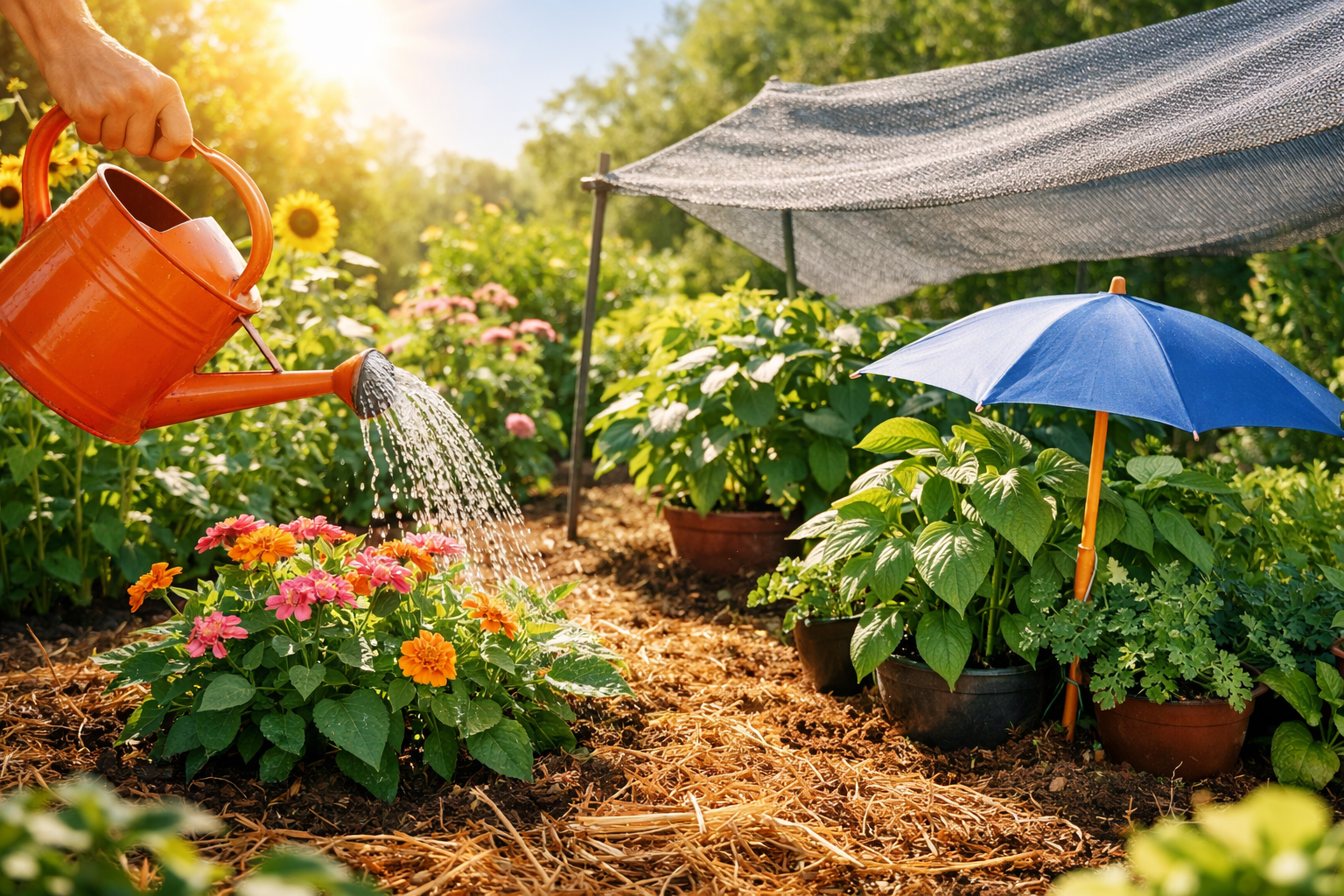
Protecting your plants during summer isn’t just about watering more—it’s about understanding their needs and creating the right environment for them to thrive. From choosing heat-tolerant varieties to employing smart watering techniques, providing shade, and maintaining healthy soil, there are many ways to keep your garden flourishing despite the scorching weather.
In this guide, we’ll explore practical, effective strategies to help your plants stay healthy, vibrant, and resilient throughout the hottest months, ensuring your summer garden remains lush and thriving.
Why Summer Care for Plants is Crucial
Summer can be brutal for plants, especially if you live in regions with scorching heat and intense sunlight. Protecting your garden during this season isn’t just about watering; it’s about creating the right environment for your plants to thrive. The combination of high temperatures, strong sunlight, and reduced soil moisture can easily stress plants, leading to wilting, sunburn, or even death in extreme cases. Gardeners who understand these challenges can take proactive steps to safeguard their plants. From choosing heat-tolerant species to employing smart watering techniques and using mulch effectively, there are several strategies that ensure your garden not only survives but flourishes in summer. In this article, we’ll explore proven tips and tricks for keeping your plants healthy, hydrated, and resilient during the hottest months.
Understanding Summer Stress on Plants
Plants experience multiple types of stress during summer. Heat stress occurs when temperatures exceed the plant’s tolerance, leading to drooping leaves and slowed growth. Water stress is another critical factor, as high temperatures increase evaporation and plant transpiration, causing dehydration if not addressed. Additionally, sunburn damage can occur on delicate leaves exposed to direct sunlight for prolonged periods. Recognizing these stresses is the first step in prevention. Observing leaf color changes, curling, or scorch marks can indicate that your plant is under duress. By understanding what summer stress looks like, you can implement measures such as shading, mulching, or adjusting watering routines, ensuring your garden stays healthy even in extreme heat.
Choosing Heat-Tolerant Plants
Selecting the right plants is a proactive way to reduce summer stress. Native plants are naturally adapted to local climates and require less maintenance, making them ideal for hot seasons. Drought-resistant varieties, such as succulents, lavender, and ornamental grasses, can survive periods of low water availability while still looking vibrant. Choosing these plants reduces the risk of wilting, ensures lower water consumption, and allows gardeners to maintain a beautiful, sustainable garden during summer. Additionally, pairing heat-tolerant plants with companion species can enhance resilience and create a balanced garden ecosystem that thrives despite high temperatures.
Proper Watering Techniques
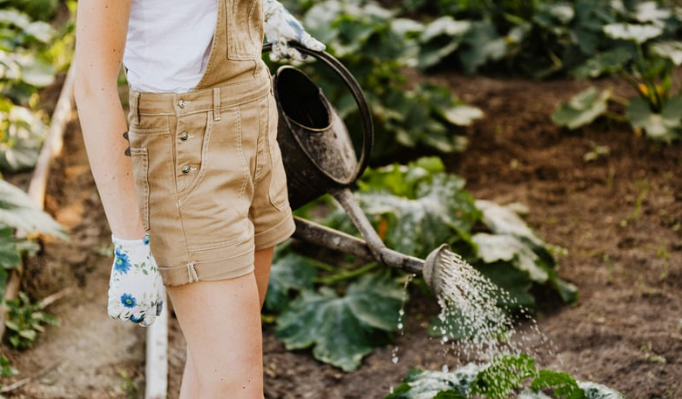
Watering correctly is essential to plant survival in summer. The best time to water is during early morning or late evening, reducing evaporation and allowing plants to absorb moisture effectively. Deep watering encourages roots to grow downward, making plants more resilient to heat, while shallow watering only moistens the surface, leading to weak roots. Mulching can further help retain soil moisture, reduce evaporation, and keep the roots cool. Combining these techniques ensures that plants remain hydrated, strong, and healthy, even when temperatures soar.
Creating Shade for Sensitive Plants
Some plants cannot tolerate direct summer sunlight. Shade cloths provide a practical solution, filtering sunlight without blocking it entirely. Temporary shade structures, like umbrellas or garden tents, can protect delicate plants during peak sun hours. Alternatively, using natural shade from trees can reduce exposure and prevent leaf burn. Implementing these shading methods creates a cooler microclimate around your plants, reducing heat stress and improving overall growth during the summer months.
Soil Protection and Maintenance
Healthy soil is the backbone of summer plant care. Adding organic mulch, like straw or bark, keeps the soil cool, conserves moisture, and prevents erosion. Improving soil structure with compost or organic matter increases water retention and nutrient availability. Additionally, using moisture retainers or hydrogels can provide extra protection during prolonged dry spells. By maintaining healthy, well-structured soil, your plants gain the resilience to withstand extreme heat and thrive throughout summer.
Container Plant Care in Summer
Plants in pots are more vulnerable to heat because containers heat up faster than garden beds. Choose light-colored or ceramic pots that reflect heat and avoid overheating. Frequent watering is necessary since potted plants lose moisture quickly. Ensure proper drainage to prevent root rot. For added protection, move containers to shaded areas during peak sun hours. These steps help container plants survive summer without stress, keeping them vibrant and healthy.
Fertilization During Summer
Summer is not the time for heavy fertilization. Light fertilization using a balanced, slow-release fertilizer supports growth without overwhelming stressed plants. Avoid over-fertilization, as excess nutrients can burn roots and worsen heat stress. Fertilize sparingly and only when plants show signs of nutrient deficiency. Proper fertilization ensures steady growth while maintaining plant health during the hottest months.
Pest and Disease Management
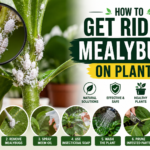
Summer heat can encourage pests like aphids, spider mites, and whiteflies. Preventive measures include keeping plants well-watered, pruning excess foliage, and rotating crops. Organic treatments, such as neem oil or insecticidal soap, can control infestations without harming the environment. Regularly inspecting plants allows early detection of diseases or pests, minimizing damage and keeping your garden flourishing.
Pruning and Deadheading
Pruning in summer helps reduce stress by removing dead or damaged growth. Deadheading flowers encourages new blooms and prevents wasted energy. However, careful pruning is necessary to avoid excessive stress during high heat. Target early morning or late evening for pruning, and remove only what’s necessary. This improves air circulation, reduces disease risk, and enhances plant vitality.
Using Companion Planting for Protection
Companion planting is a natural way to protect plants. Shade providers, like tall sunflowers, can shelter smaller plants from intense sunlight. Pest-repellent plants, such as marigolds or basil, deter harmful insects. By thoughtfully pairing plants, gardeners create a supportive ecosystem where plants protect each other, reduce water stress, and thrive even under harsh summer conditions.
Indoor Summer Plant Care
Indoor plants also need attention during summer. Humidity management is critical, as dry indoor air can stress foliage. Temperature control keeps plants away from hot drafts or air conditioners. Ensure proper light exposure, balancing between bright indirect sunlight and avoiding scorching direct rays. Indoor plant care strategies help maintain healthy foliage and prevent wilting or sunburn.
DIY Cooling Methods for Outdoor Gardens
Simple DIY methods can make a big difference. Misting and sprinklers reduce heat stress and keep leaves cool. Creating microclimates, such as using garden screens, trellises, or water features, lowers ambient temperature around plants. These inexpensive, creative solutions help plants survive high temperatures without professional intervention, ensuring a thriving summer garden.
Monitoring Plant Health Regularly
Regular monitoring is essential. Look for signs of heat stress, including leaf curling, yellowing, or drooping. Taking early action steps, like adjusting watering, adding shade, or treating pests promptly, can prevent long-term damage. Observing your plants closely ensures they remain healthy, resilient, and ready to flourish all summer long.
Conclusion
Summer challenges every gardener, but with careful planning, plant care doesn’t have to be stressful. From choosing heat-tolerant plants and smart watering practices to providing shade, maintaining healthy soil, and monitoring plant health, there are practical steps to protect your plants. Implementing these strategies not only preserves plant health but also enhances growth, flowering, and fruiting during hot months. By staying proactive, your garden can thrive and remain a lush, vibrant oasis even under the scorching summer sun.
FAQs
1. How often should I water my garden in summer?
Water deeply at least 2–3 times a week, preferably early morning or late evening, depending on heat intensity and soil type.
2. Can mulch really protect plants from heat?
Yes, mulch keeps soil cool, retains moisture, and prevents root damage from high temperatures.
3. What are some heat-tolerant plants for summer?
Lavender, succulents, marigolds, ornamental grasses, and native plants are excellent choices.
4. Should I prune my plants in summer?
Yes, but only lightly. Remove dead or damaged leaves and deadhead flowers to encourage healthy growth.
5. How can I prevent sunburn on sensitive plants?
Use shade cloths, natural shade, or temporary structures to protect plants from direct midday sun.