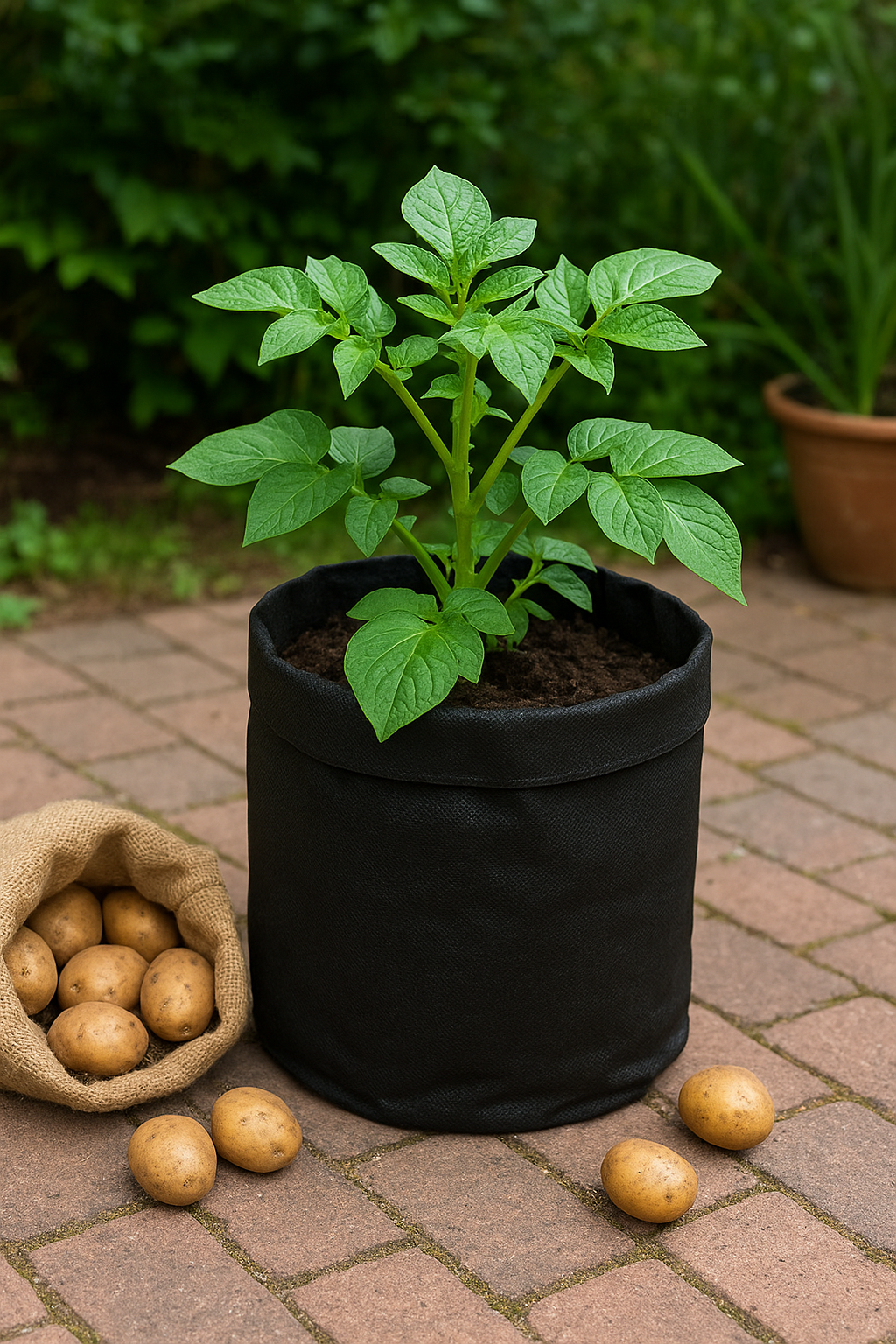
Growing potatoes in a bag is one of the easiest, most space-saving gardening methods you can try at home. Whether you live in a small apartment, have limited garden space, or simply want a clean and manageable growing method, bag planting is perfect. Let’s dive into a complete, friendly, and practical step-by-step guide on how to plant potatoes in a bag successfully.
Why Grow Potatoes in a Bag?
Growing potatoes in a bag offers convenience, cleanliness, and control—something traditional gardening doesn’t always guarantee. Because you’re using a controlled container, you can position your potato bag anywhere: balconies, patios, rooftops, or even next to your kitchen door. Plus, you can easily move the bag to catch more sunlight if needed.
Another great advantage is pest control. When planting potatoes in the ground, you’re often battling soil-borne diseases, insects, and unpredictable soil quality. Bags reduce this risk significantly. You also get the benefit of easy harvesting—just lift and dump the bag instead of digging through soil. And if you love fresh homegrown potatoes, you’ll appreciate the satisfaction of seeing your bag filled with delicious tubers that grow in clean, nutrient-rich soil. For beginners and experienced gardeners alike, planting potatoes in bags provides greater yield with less effort.
What You Need Before Planting
Planting potatoes in a bag is simple, but having the right materials makes the entire process smoother. You’ll need a sturdy planting bag, ideally made from breathable fabric like grow bags or thick plastic sacks. The bag should hold at least 40–50 liters of soil so the roots have enough space to expand. Another crucial item is seed potatoes—the small sprouting potatoes specifically meant for planting. Avoid using grocery potatoes because they are often treated to prevent sprouting.
You’ll also need high-quality potting soil, preferably one enriched with compost. Potatoes love loose, well-draining soil because compact soil restricts tuber formation. A slow-release fertilizer or organic compost is ideal, giving nutrients over time. And don’t forget a watering can or hose with a gentle spray setting. Having everything prepared beforehand ensures your planting day goes smoothly and stress-free.
Preparing the Bag for Planting
Preparing your potato bag correctly is crucial for healthy growth. First, create proper drainage. Most grow bags come with drainage holes, but if yours doesn’t, poke several small holes at the bottom. This prevents water from pooling and avoids root rot.
Next, fill the bottom of the bag with 4–6 inches of soil. Don’t fill the entire bag immediately. Potatoes need layers of added soil as they grow, a process known as “hilling.” Mix a bit of compost or slow-release fertilizer into this initial soil layer. Once the soil is in, gently shake the bag to level it. Preparation is simple but essential—proper drainage and a good soil foundation help your potatoes grow strong from day one.
Step-by-Step Guide: How to Plant Potatoes in a Bag
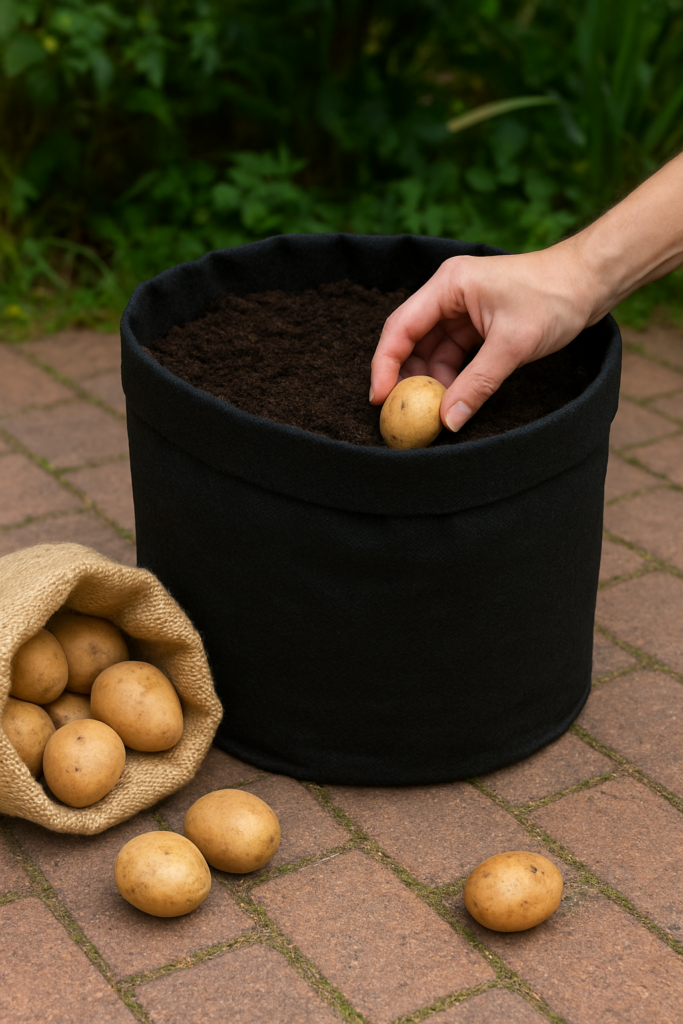
Planting potatoes in a bag is straightforward once your materials are ready. Start by placing 3–4 seed potatoes on top of the 4–6 inches of soil. Make sure the eyes or sprouts are facing upward. Cover these seed potatoes with another 3–4 inches of soil, ensuring they are fully buried.
As the potato sprouts begin to grow and reach about 6 inches above the soil, add more soil around the stems, leaving just the top leaves exposed. This process, called “hilling,” encourages potatoes to produce more tubers higher up the stem. You’ll repeat this step until the bag is nearly full. This layering method is one of the secrets to a large potato harvest. It encourages deep root growth and greater tuber production.
Watering Your Potato Bag Correctly
Watering potatoes grown in bags requires care. Because bags dry out faster than ground soil, consistent moisture is crucial. Water deeply until you see water draining from the bottom of the bag. This ensures the entire soil layer is hydrated.
Water the bag every 2–3 days, but depending on your weather, you may need to adjust. Hot temperatures cause the soil to dry faster, so daily watering may be necessary. Avoid soaking the soil to the point of waterlogging, as this causes the tubers to rot. Keep an eye out for yellowing leaves, which can be a sign of both underwatering and overwatering. Proper watering keeps your plants strong and disease-free.
Positioning Your Potato Bag for Maximum Growth
Potatoes need sunlight—lots of it. Place your bag somewhere that receives at least 6–8 hours of direct sunlight every day. The more sunlight they receive, the better your potatoes will grow.
If your space doesn’t get consistent sun, rotate the bag every few days so all sides receive light. One great thing about planting in bags is the flexibility to move them around. And if you live in a very hot region, consider partial shade during peak afternoon hours to prevent overheating. Proper placement ensures healthy, vibrant potato plants with strong tuber development.
Fertilizing Potatoes for Higher Yields
Fertilizing potatoes in bags boosts growth and increases yield. Use a balanced organic fertilizer or one higher in potassium, which supports tuber development. Avoid too much nitrogen because it causes leafy growth at the expense of potatoes underground.
Apply fertilizer when planting, then again midway through growth. Liquid fertilizers can be added during watering to give fast nutrient absorption. Compost tea is also an excellent natural boost. Fertilizing regularly ensures your potato plants get steady nutrition throughout their growth cycle.
Caring for Potatoes as They Grow
As your potato plants grow taller, continue hilling soil around their stems. This prevents sunlight from reaching the developing potatoes, which can turn them green and toxic. Regularly check for pests like aphids or beetles and remove them immediately.
Another part of care involves checking soil moisture and adjusting watering based on weather. Prune any damaged or diseased leaves to keep the plant healthy. Healthy foliage means more energy production, and more energy means more potatoes.
Common Problems When Growing Potatoes in Bags
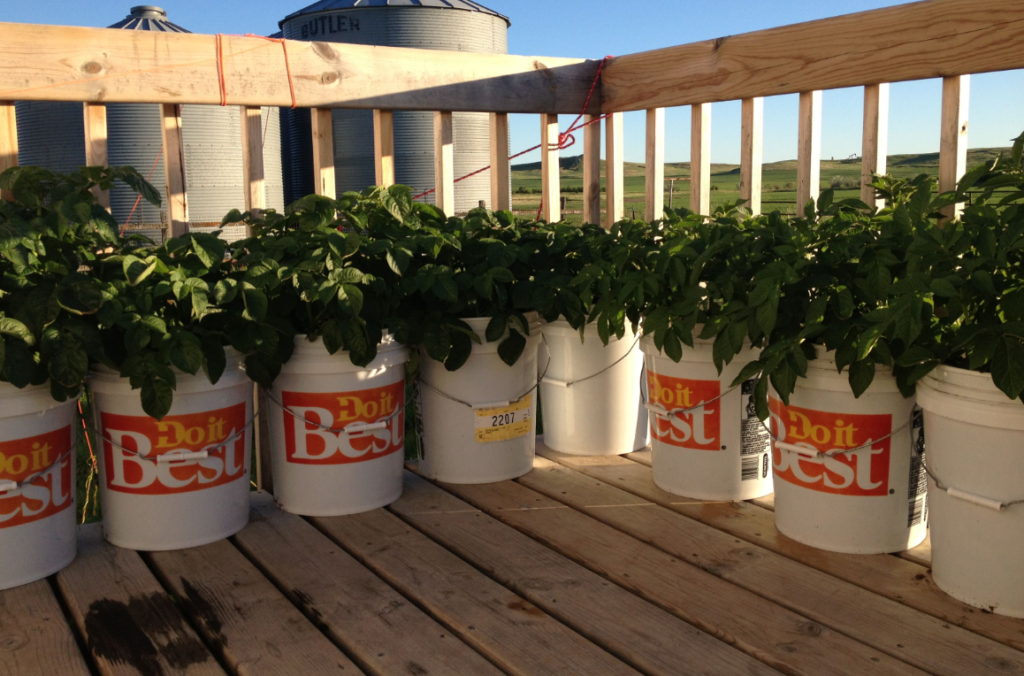
Even though bag planting reduces many issues, problems can still arise. One common issue is waterlogging. If your soil becomes too wet, potatoes rot quickly. Another issue is overcrowding—planting too many seed potatoes in one bag limits growth.
Pests like aphids and potato beetles can still appear. Use natural pest control methods like neem oil or hand-removal. Poor sunlight can also stunt growth, so ensure proper placement. Identifying and solving issues early helps keep your potato plants productive.
When and How to Harvest Potatoes
Harvesting potatoes is exciting! Once your plants flower and the foliage begins to yellow and die back, it’s a sign your potatoes are ready. Simply open the bag, tip it over, and collect your fresh potatoes.
For baby potatoes, harvest earlier when the plants are still green. For mature potatoes, wait until the plant fully dies back. Harvesting from a bag is clean, quick, and satisfying.
Storing Your Harvested Potatoes
Store your potatoes in a cool, dark, and well-ventilated place. Avoid storing them in the fridge, as the cold turns the starch into sugar. Keep them unwashed until ready to use. Proper storage ensures your potatoes last weeks or even months without sprouting.
Extra Tips for Bigger Potato Harvests
- Use fresh seed potatoes each season
- Ensure proper sunlight
- Keep consistent moisture
- Hill soil often
- Fertilize at the right time
These small steps make a huge difference in your harvest size.
Mistakes to Avoid When Growing Potatoes in Bags
- Overwatering or underwatering
- Using poor-quality seed potatoes
- Not adding soil layers
- Planting too many potatoes in one bag
- Keeping the bag in low-light areas
Conclusion
Growing potatoes in a bag is simple, enjoyable, and incredibly rewarding. With the right soil, sunlight, watering, and care, you can enjoy fresh, homegrown potatoes even in small spaces. Whether you’re a beginner gardener or an experienced grower, this method delivers great results with minimal effort.
FAQs
1. How many potatoes can I plant in one bag?
Plant 3–4 seed potatoes per standard grow bag.
2. How long do potatoes take to grow in a bag?
Most varieties are ready in 10–12 weeks.
3. Can I reuse the soil from my potato bag?
It’s better not to, as soil may carry diseases.
4. Do potatoes need full sunlight?
Yes, at least 6–8 hours daily.
5. Why are my potatoes turning green?
Sunlight exposure causes greening. Add more soil to cover exposed tubers.